The Truth About Caffenol
It's not what you think it is, not at all.
…I read once that some guy got Caffenol to work by sacrificing a chicken, a report which remains unsubstantiated.
I have been represented as a knowledgeable person, I’m not certain if I should thank Adam for that moniker or not. Hopefully I'll do a better job of it than my AutoCorrect, which, regardless of which program I’m using tries to change moniker into Monica.
Is that how deep we've sank? Nothing against anyone named Monica, I have known a few—from very nice people to... I'll leave it for now.
Please, stay away from the chickens.
This rant is about Caffenol—and all the crap on the internet about it.
Protect the chickens, please
As with most everything on the internet, you can believe one percent of what is written or discussed—and the stupider it is the more often it gets discussed; one of the reasons I've abandoned social media... which might deserve it's very own future rant.
Caffenol: the ecological wonder to black and white film development. That’s not sarcasm. That’s the truth. It is wonderful.
What it isn’t? It is not the holy grail so many make it out to be: a developer requiring dark robes and only developing your film at midnight complete with live rodent sacrifices.
I think I read once that some guy got Caffenol to work by sacrificing a chicken, a report which remains unsubstantiated.
Caffenol is an ecological developer developed (pun intended) by Dr. Scott Williams for his Technical Photography class at Rochester. Like me, Dr. Williams is a trained experimental chemist and experimental chemists share three things in common:
- We weigh things.
- We weigh things again.
- We know what compound is doing what.
Now, this is the part that gets interesting—perhaps debunking all the bullshit out there about Caffenol.
Caffeine has nothing to do with it. You can use decaffeinated coffee with just as great a result as caffeinated coffee. I have done it more than once. One experiment is no experiment, after all.
So, if not caffeine, what's the magic ingredient in Caffenol? As it turns out, it's all in the mix.
It’s the chlorogenic acids in coffee that, during brewing, get chemically transformed into caffeic acid. (3,4-dihydroxycinnamic acid for any chemists reading this).
I can sense your dirty paws reaching for the keyboard already.
“But we don’t brew our instant coffee!”
That's true. You don’t brew it, but the guys and girls who freeze dried it brewed it before they did. That’s why even decaffeinated instant coffee powder works.
Not just powder
The second bullshit you have encountered is that Caffenol has to use instant coffee powder and only the powder works. Nope. It doesn’t.
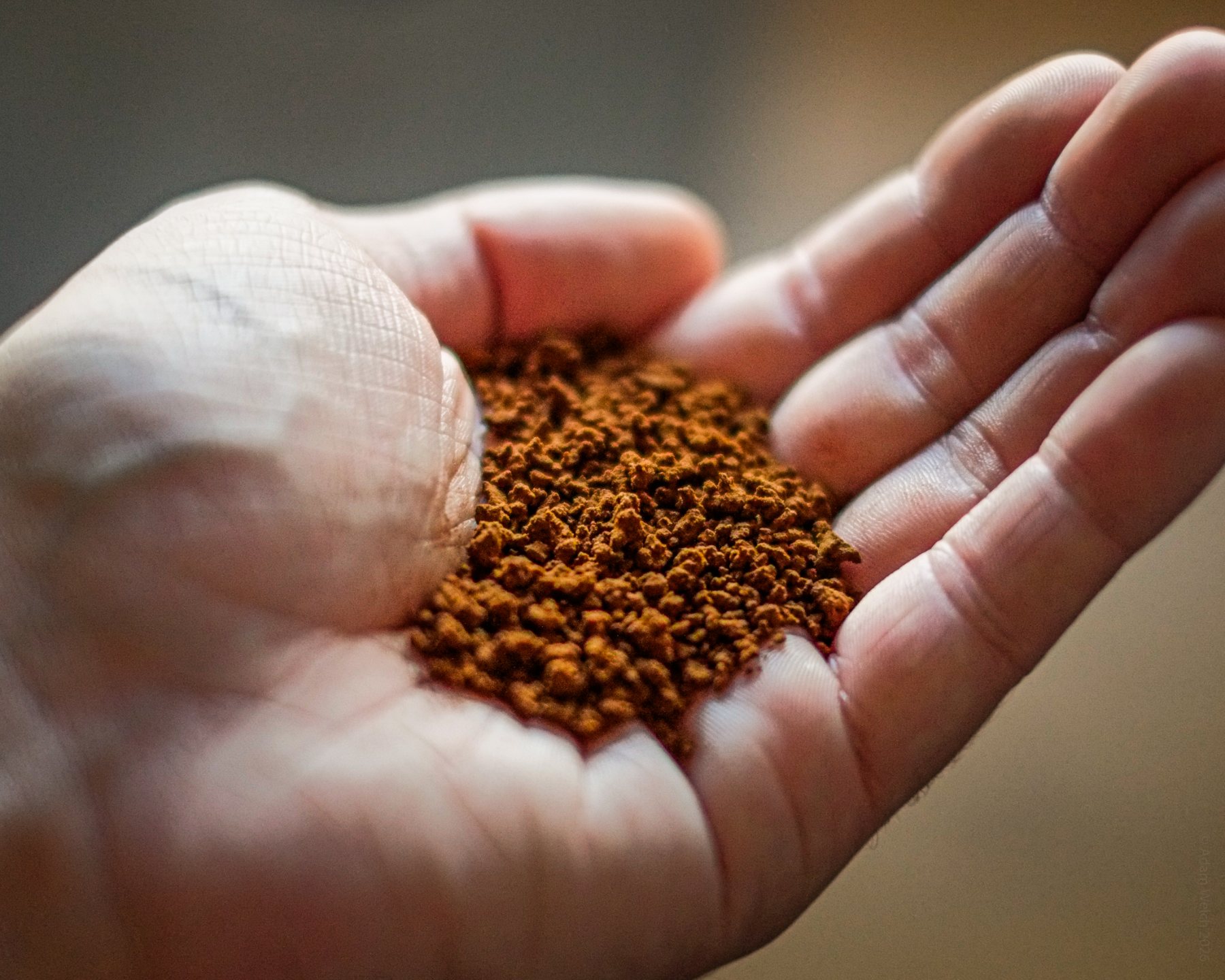
I regularly use the leftover brew coffee from the mornings buffet. I even store it for weeks before I use it. I've found moldy coffee actually gives more acutance to the negative—but it isn’t always the nicest to work with.
I can hear those dirty fingernails scratching at the keyboard again...
"Then why did the group at Rochester not just use their leftover coffee?!"
Well, maybe they did? They just didn’t put that in a scientific paper. What did I write above about what experimental scientists do? We weigh things, we weigh them again, and again, and again until we are statistically certain of the results.
In Search of "Universal" Caffenol
I have developed over 150 rolls and more than 200 sheets of black and white film in Caffenol. Some made with decaf coffee. Some with instant caffeinated coffee. Most with the leftover buffet coffee, some even with the ground beans of single origin DR Congo Highlands (150 Euros/kilogram btw) preciously brewed to exacting standards in my French Press.
Did the expensive coffee give me a better negative? No. But it gave me one. And that’s what counts.
Over the last seven years I have experimented to create a single-shot “universal Caffenol” that can be used at one temperature with any film and give usable results allowing a competent darkroom printer to create an excellent print.
I succeeded. I really did. Furthermore, I can mix Ilford Pan-F Plus (my favorite film) rated at box alongside Pan-F pushed three stops and Kodak Tri-X 400 at box; all in the same developing tank; for a semi-stand development.
With all three, I get not just usable results but very good results.
Dark and murky waters
It’s not the type of coffee you use, it's not the caffeine, it's the phenols. You can use anything as a solvent that supplies you with phenols. You won’t believe the things I've used to make film developer but don't worry, I'll get around to that in the next little while.
To end this rant: don’t believe everything you read on the internet about Caffenol. Use any coffee you want that's dark enough to hide the bottom of your cup. If you can see the bottom it wasn't fit to consume anyway... at least in public.
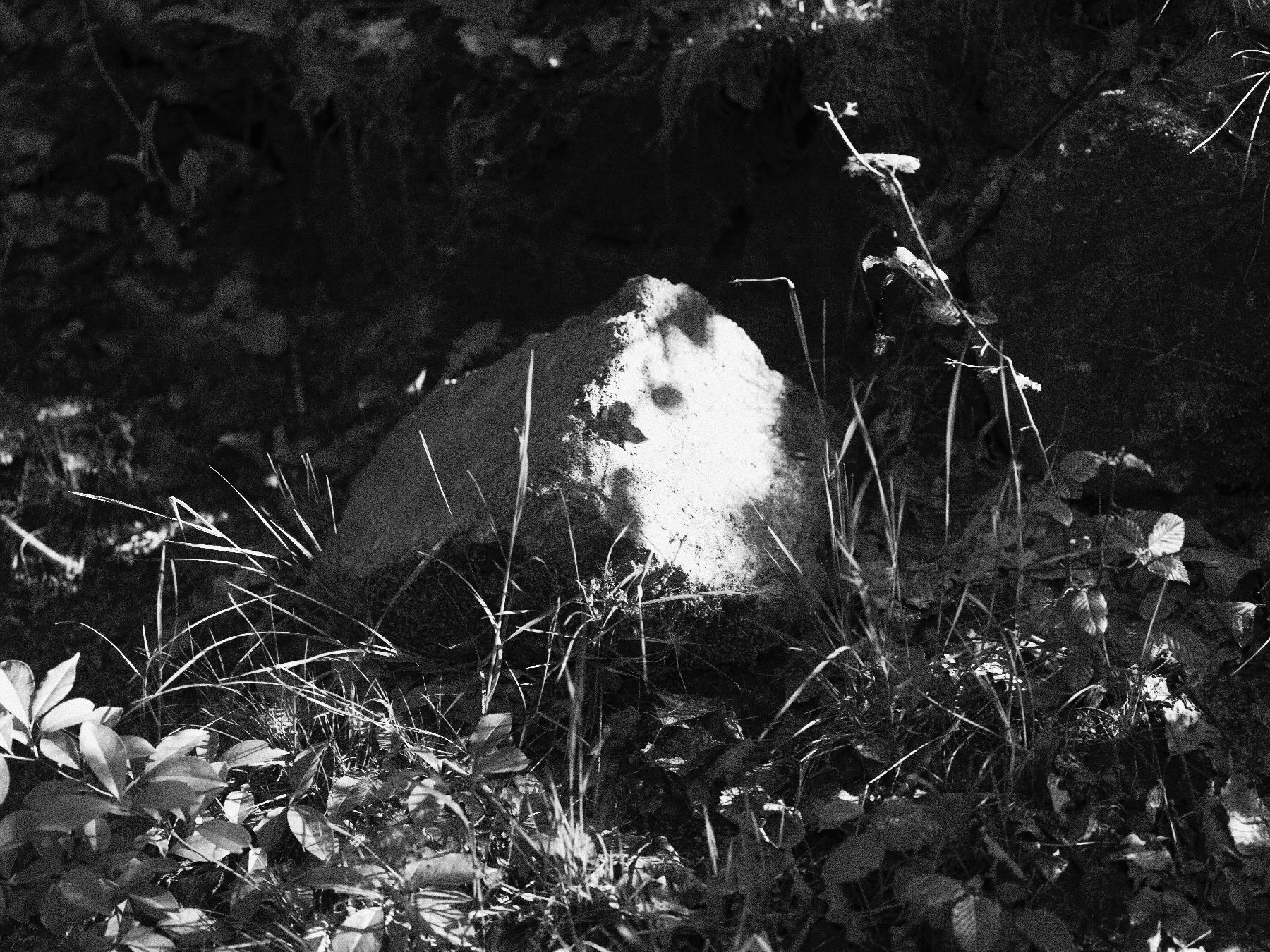
For those wondering, the photo accompanying this rant is from an Ilford Pan-F Plus negative pushed THREE stops, developed semi-stand in my Caffenol recipe—using the brew coffee from the hotel buffet.
Sure, it has grain that slaps you in the face but so does any pushed film. It's a bit muddy but push any film three stops and see what happens there. Add to that the wonders of modern scanning with either a flatbed scanner and a good program or a digital camera and you can get results I wouldn't have believed possible.
Lee is free to rant. His opinions are his own and do not necessarily reflect the views of Subculture Analog, its contributors or staff, or its sponsors and affiliate partners.
Affiliate disclosure: Some product links in this article may be affiliate links. If you buy through one, I may earn a small commission at no additional cost to you.