Worst of Both Worlds
Turn your 4x5 camera into a Polaroid, for free
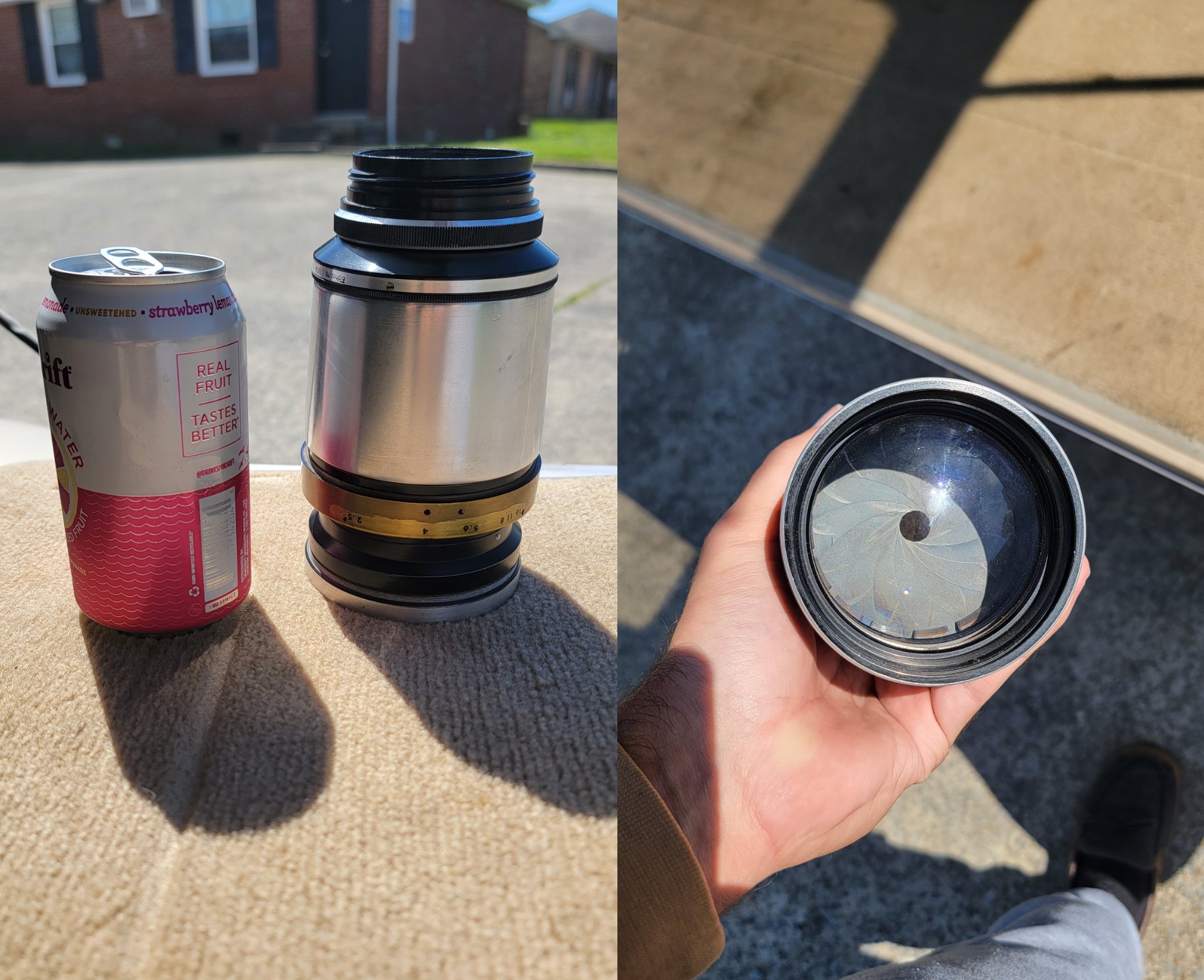
Years ago, in a faraway land, I bought a mysterious lens at an antique store.
No branding, no identifying information other than "Ariel lens" [sic] scribed on the tag. It scratched that itch in my lizard brain that can only come from that first sentence. Until this point I had no intentions of setting out into the realm of large format photography.
I was a 35mm guy mostly. I had a Rolleiflex that I'd bust out for special occasions. There's more to that story but the point is... I needed a Graflex.
The Rise
Fast forward a couple years and thousands of Facebook Marketplace checks later... the target was finally in my sights: a Graflex Speed-Graphic in excellent condition, below market price, being sold out of a hand built log cabin by the widow of a former photography professor.
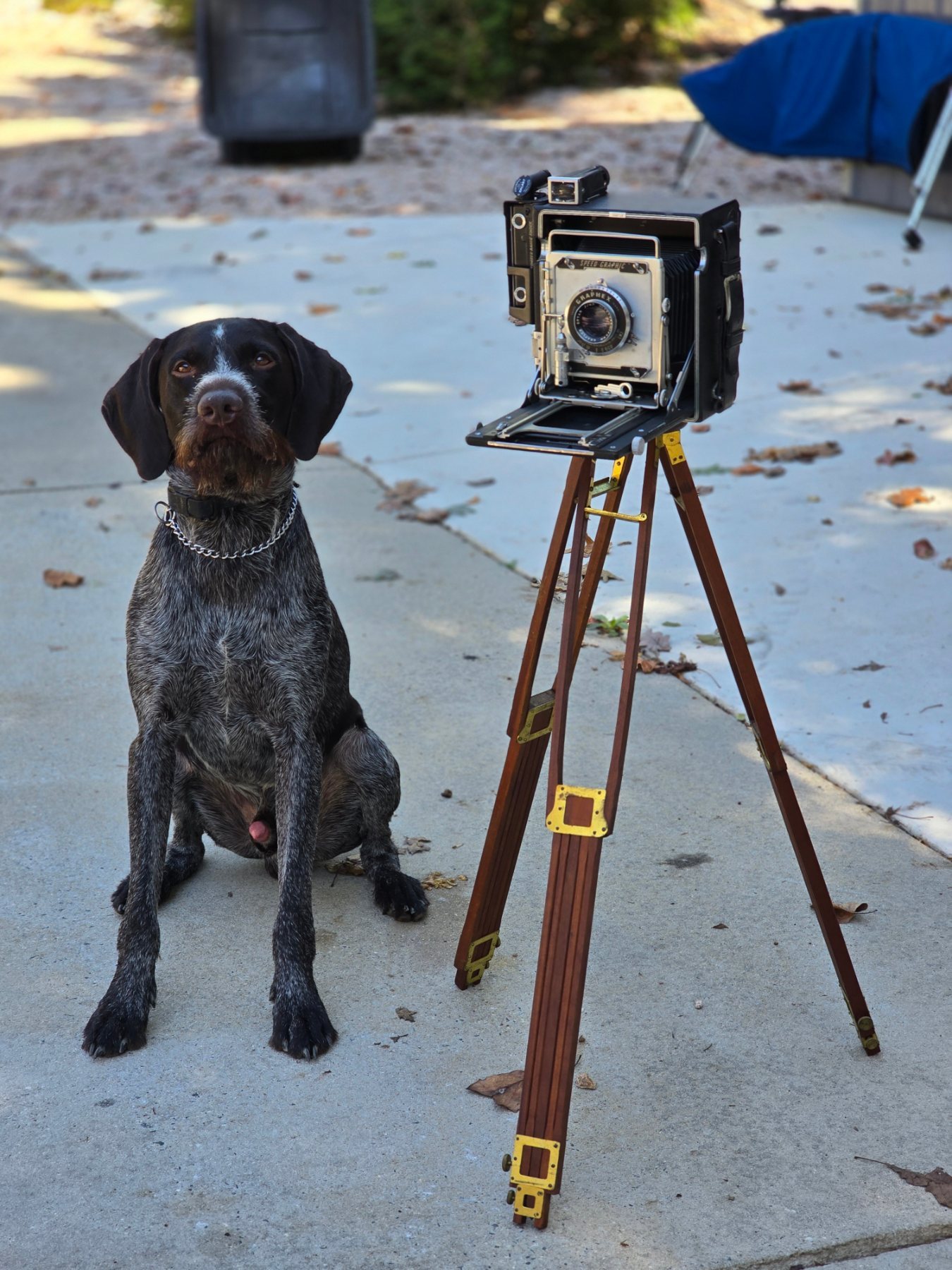
It was one of those situations that us vintage camera lovers dream of, and there's a lot more to that story, too. For now I'll just say that woman was amazing and I hope she's doing well (I'd say that even without the camera).
After a fifty some mile drive home I was able to sit with it and see just how fortunate I was. The lens was clear, the bellows without corruption, the exterior was aged but almost entirely intact. I must have spent hours exploring its functions, like a kid with his new toy on Christmas morning. To me, everything about it seemed both intuitive yet magical.
What's better than dry firing the shutter of an antique camera? Dry firing two separate shutters on an antique camera. I could write a whole article about how neat this damn thing is, but there's a point to be made: learning to shoot 4x5 is an expensive pain in the ass.
The Fall
After blowing up both the exposure and processing sides of a shoot I did, I realized I was too cocky and needed a serving of humble pie. Odds are, if you're reading this you know how much effort goes into large format photography, and I had screwed up all of it.
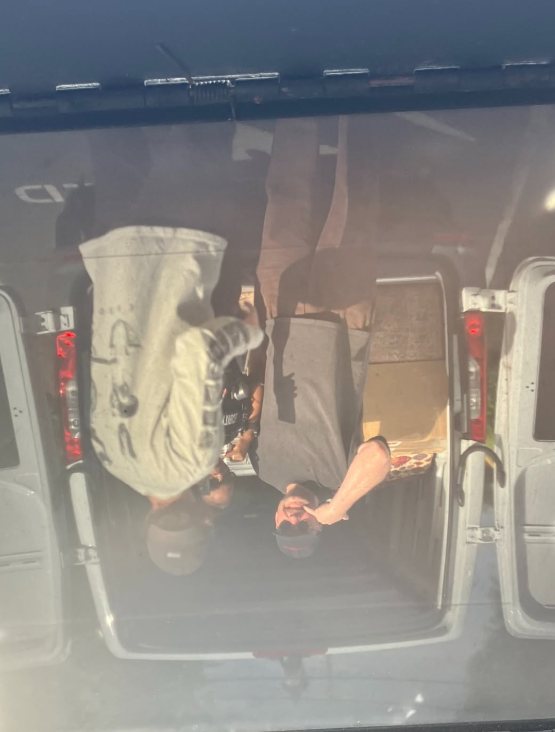
For a while, the Graflex lived in its case. I felt ashamed and unworthy of wielding it. Truthfully, I don't have a scanner for 4x5 negatives nor an enlarger big enough for, well, enlarging. A contact print is cool but it's wasting a fair amount of paper.
To me, it kind of seems silly to not enlarge the ever-living piss out of these sheets. That's the whole point of the format, right? If I can't faithfully scan the negative, and I can't righteously print the negative, how can I use it and why bother?
The Landing
In the bulk box of items vended with my purchase was a Polaroid Pack adapter.
"Man I wish they still made this stuff" I thought, as I held this once expensive peripheral turned paperweight in my hand.
I was aware that Lomography makes an Instax Graflok back for these cameras but buddy, I ain't paying $175 bucks to shoot a camera I already got. I wondered: what's stopping me from loading Polaroid frames into a 4x5 holder?
Turns out, not a damn thing.
With an empty film holder and a Polaroid frame, I started eyeballing. Centering this thing up in the middle is gonna take some sort of permanent modification to the holder, a sacrifice I'm willing to make.
I stared at the empty holder, weighing the pros and cons of hot glue guide rails when another question arose: why not use the existing negative guide?
So, I try. I jam the polaroid frame up into one side and viola–it fits.
The larger size of the Polaroid frame (rather than film sheet) keeps it snug and without movement. This comes with its own challenge: how am I supposed to know where the middle is in the dark?
I thought about making witness marks in the holder so I could feel where the center was but yet another revelation occured to me: if I just rotate the Polaroid 180 degrees the sachet side, when butted up against the end of the sheet holder makes it completely dead-nuts centered.
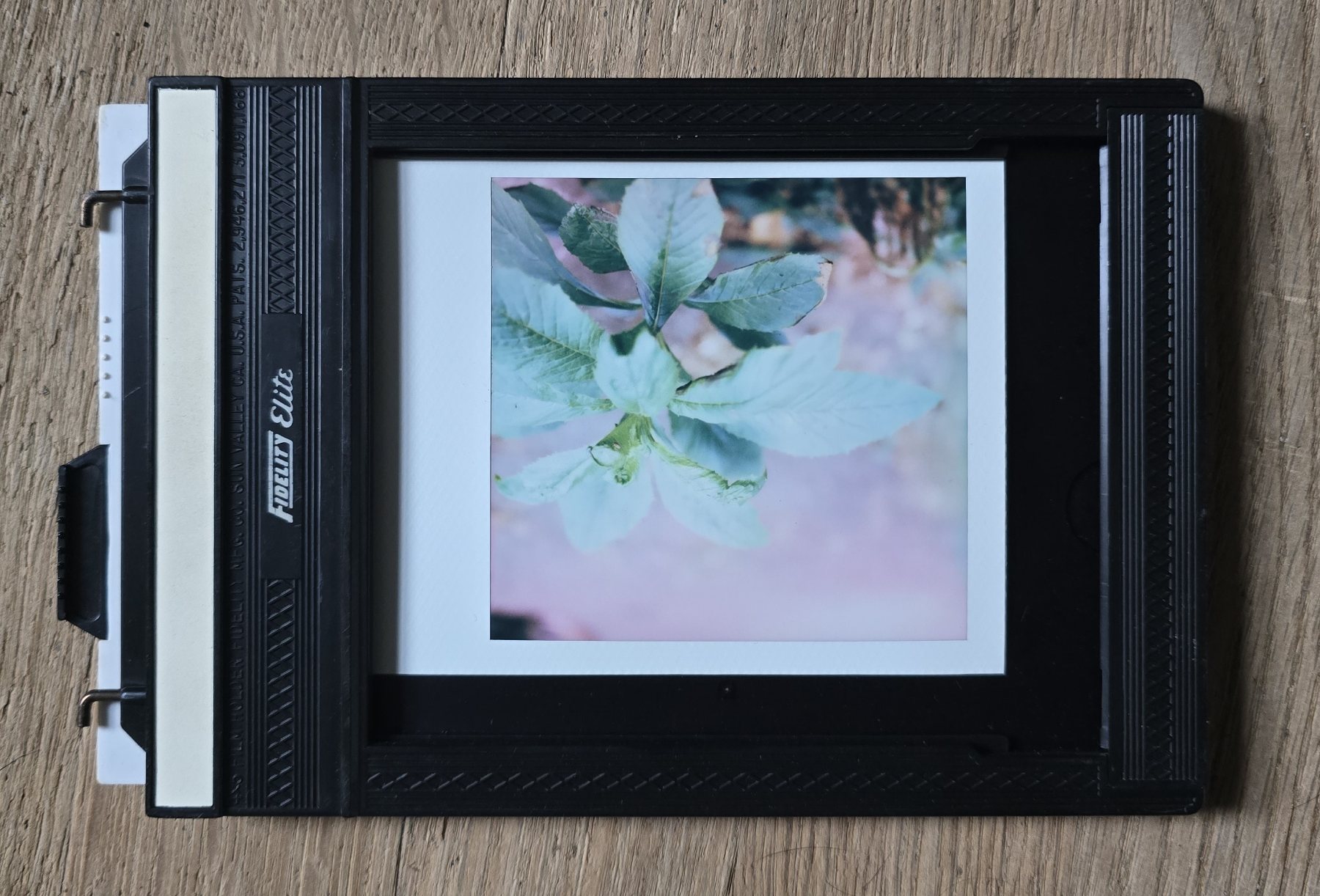
I couldn't believe it. Certainly it can't be this simple? I hate to break it to you and the people at Lomo but... it is.
Below is my step-by-step method that allows you to shoot Polaroid film in ANY 4x5 camera accepting standard ANSI film holders, for free (as long as you own a Polaroid camera), right now.
Step by step:
- In either a changing bag or darkroom (complete darkness), remove the top dark slide from your Polaroid cassette (I'd keep it) and slide out as many frames as you're going to use
- Insert your frames into the CORNER of the 4x5 sheet holder (see photo above), chemical sachet side opposite to the retaining hinge. Make sure both sides of the Polaroid frame are firmly inserted.
- Replace the top dark slide back into your Polaroid cassette (if you have frames left) and don't forget to do the same with the 4x5 holder dark slide. Hang on to the Polaroid cassette, you'll need it later.
- Load and shoot your 4x5 camera the way you normally would, with a slight adjustment to your framing composition (see below images).
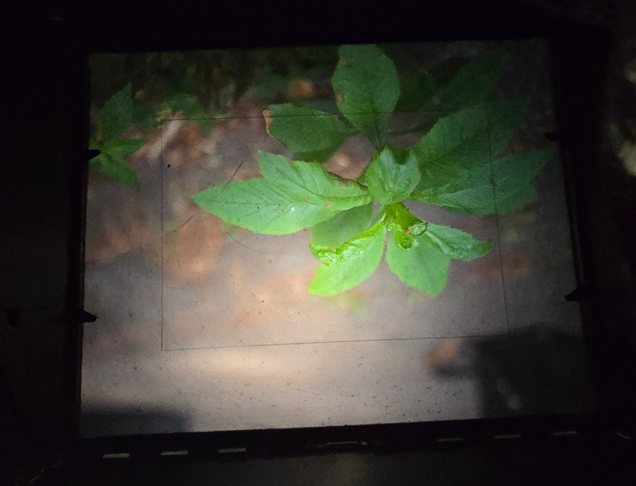

- In complete darkness, slide your exposed frames back into the Polaroid cassette, exactly the opposite of step 1 from above.*
- If you kept the Polaroid cassette dark slide (you did, right?), replace it now, then load the cassette into your Polaroid camera as normal. If your dark slide is missing from the cassette this step will also need to be performed in total darkness.
- With the cassette loaded, cover the lens of your Polaroid camera COMPLETELY and fire the shutter. Your frame will now eject like usual, if everything went right, you got your shot.
Conclusion
The title of this article is kind of a tongue in cheek joke, even if it's not totally meant to be. What we've actually accomplished here is take away some of the key advantages of both formats: the righteous resolution of 4x5 film, and the spontaneous fun of instant cameras.
However, in doing so, we also get the best of both worlds. Composing and shooting a large format camera is unlike any other photographic experience. This comes at a cost. With prices higher than ever, any hiccup in your process is going to be felt in the wallet. Hard.
Now, you get all the fun of using that dusty old Intrepid you impulse-bought but stopped shooting after a month because you didn't crunch the numbers correctly. On the other hand, how many times have you thrown away a Polaroid because the lenses suck and because the cameras are absolute dog water at achieving proper exposure?
Don't get me wrong, Polaroid film still kind of sucks. Having complete control over exposure, while being very helpful, isn't gonna make it not suck. Let me put it to you in another way.
You can still buy Polaroid 600, I-Type, even SX-70 (if you're lucky) at most big-name local store and shopping centers. Can you stock up on 4x5 film and chemistry where you buy your groceries? I wish, but not likely.
This method for shooting Polaroid film in your 4x5 camera can let you start making pictures TODAY, and likely with the things you already have on-hand for your cameras.
Why are you still reading this? GO SHOOT SOME FILM.
Affiliate disclosure: Some product links in this article may be affiliate links. If you buy through one, we may earn a small commission at no additional cost to you.