The Kodak Six-20 Flash Will Destroy the World
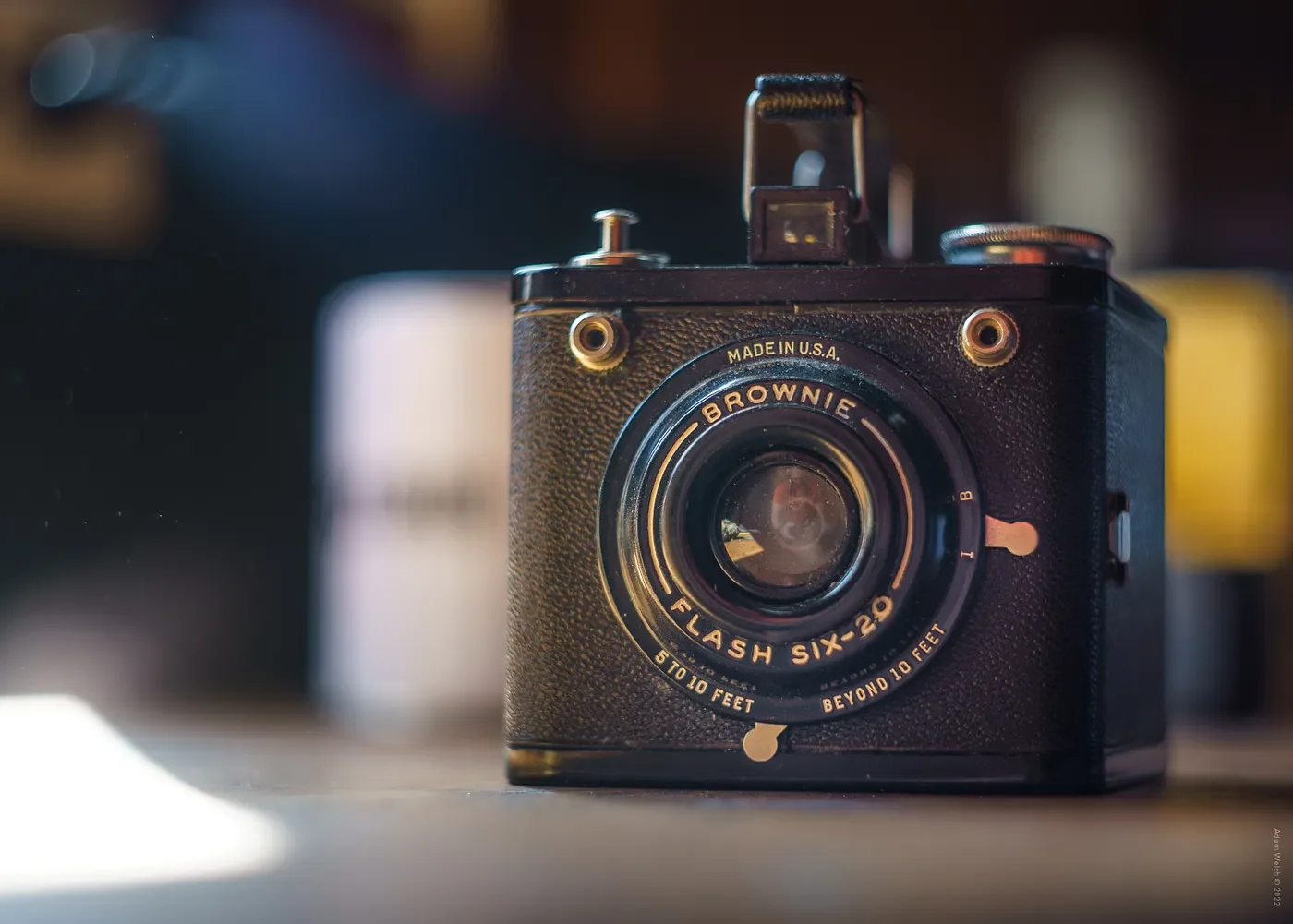
The glittering decades between 1930 and 1970 bore witness to some of the most ingenious and psychotically ostentatious cameras ever to be produced in North America.
We were gifted legendary photographic tools by Graflex and Ed Land (Polaroid). Herbert and George gave us their bake-lite angels in the Imperial 12…and Argus tried to murder our families with the C3.
Then we have Kodak; the prophetic megalith company of glory and doom. In 1940, the Kodak Eastman Corporation loosed a demon unto our world: the Brownie Flash Six-20….
Oppenheimer had a line for this. Our little black box of death here is a simplistic marvel. The Six-20 Flash eats a now discontinued, but still readily available (more on this nightmare later) 620 film and spits a massively oversized 6x9cm negative. This hulking negative size pushes this tiny camera to the very edge between medium and large format — terrifying.
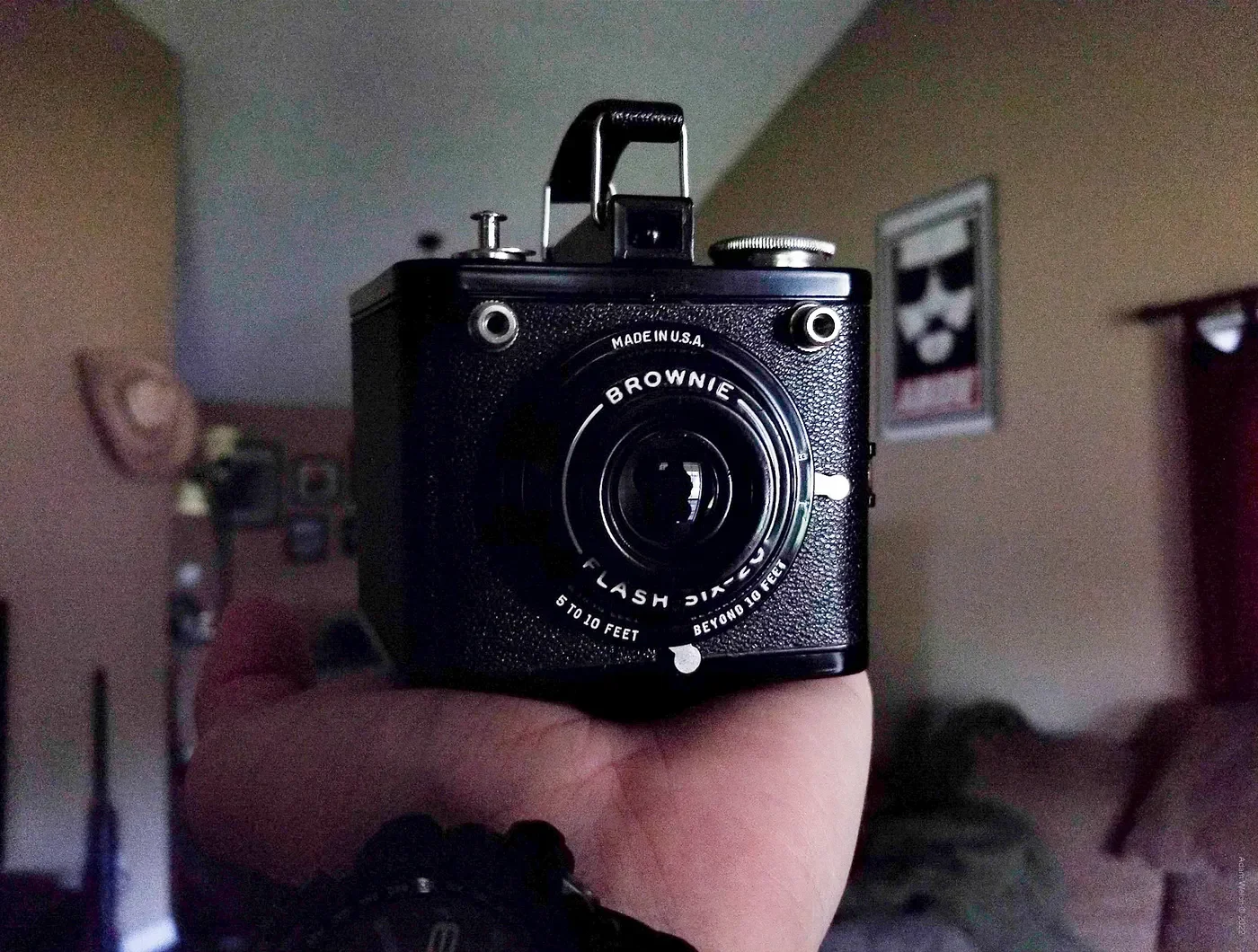
Interestingly enough, the Brownie Flash Six-20 does not sit alone on the shelf of Kodak “Six-20” cameras. It was the successor of the slightly earlier “Six-20 Flash Brownie” which is exactly the same camera aside from a rearrangement of the title. There was also a non-flash version, the “Six-20 Brownie Special” and a model which produced an even larger negative (yes, really) at 6x11.5cm on 616/116 film: the “Brownie Special 616”.
It was the flash capability of the Six-20 Flash which made it unique. Those two beady eyes at the top-front of the camera mate with the monstrosity that is the flash module for this puppy. Feel free to Google search for the flash unit as I refuse to picture it here for the sake of the children.
Going Old Spool
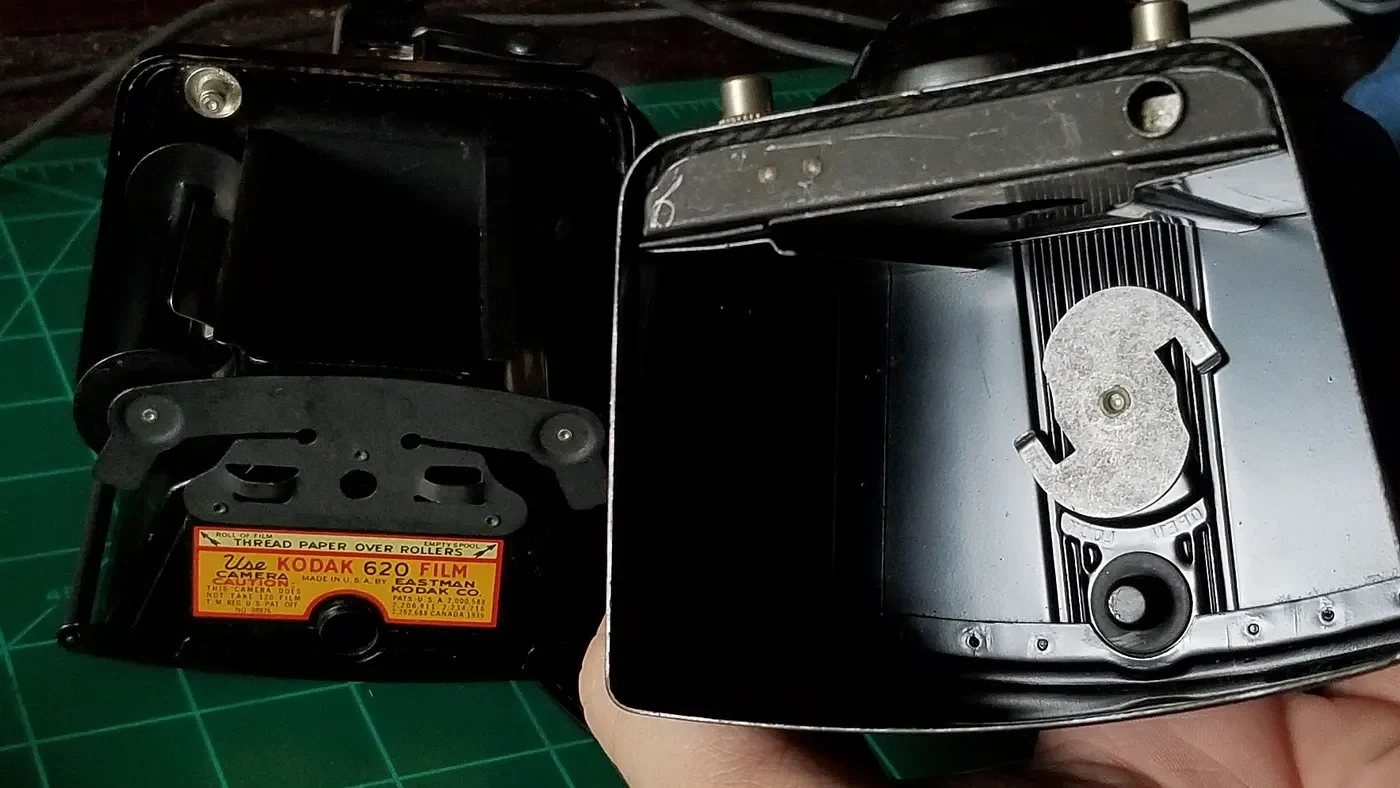
Earlier I used a super-secret literary bating trick to incite your attention as to exactly what I meant by a “discontinued but still readily available film”. As it turns out, the original 620 film is dimensionally identical to modern 120 film. In all respects, 620 film is 120 film…except for the spool. A true 620 spool is slimmer in form than a 120 (220) medium format film spool as you can see below.
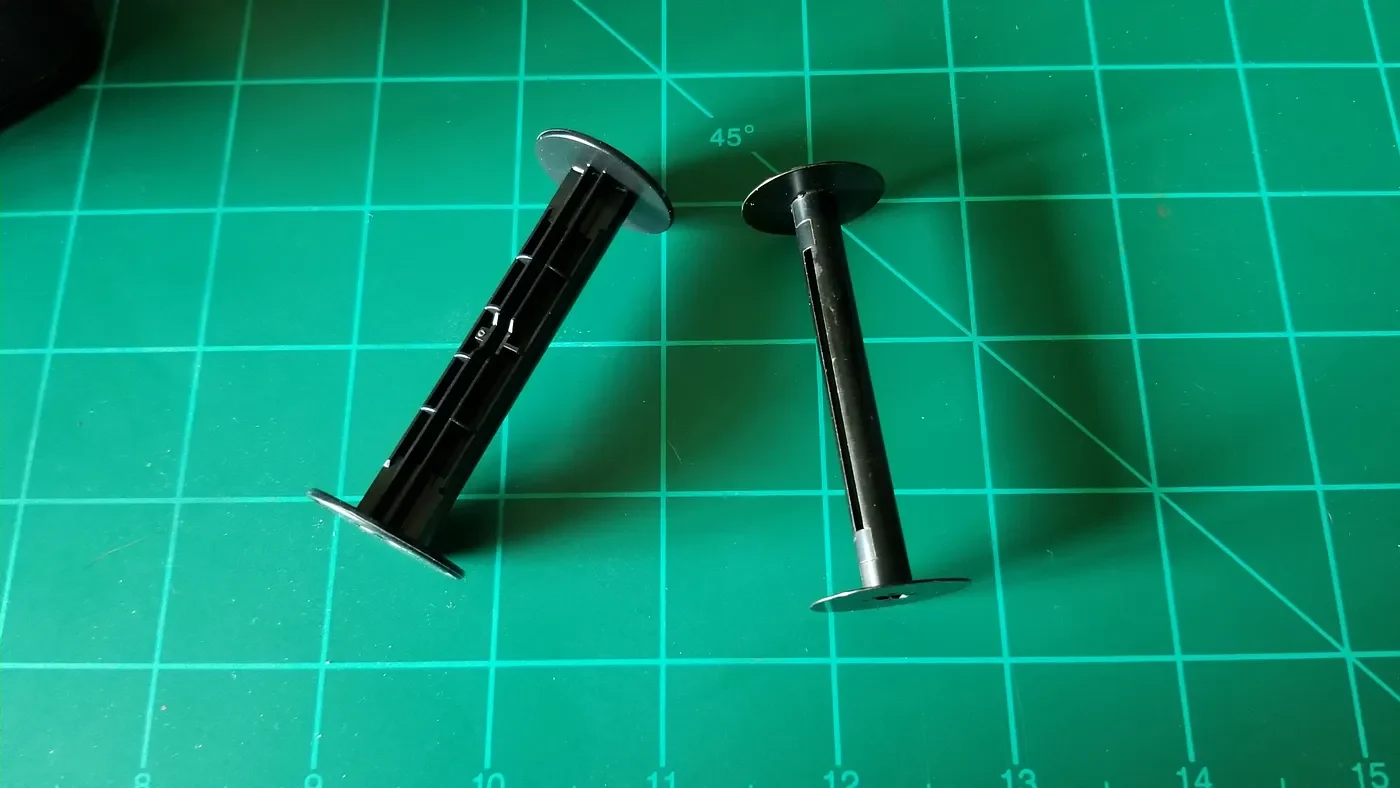
This is the drama of the Six-20 Flash. To be used with contemporary medium format stocks one of two actions must be completed: trim the modern 120 spools or re-spool onto vintage 620 spools. For me and my house, I choose to re-spool.
Granted, the re-spooling process is not technically difficult. However, in practice, it is a soul crushing and savage business that serves no other purpose than to strip you of all confidence and personal worth. However, it is a task which can be done and one I have completed many times with the stupidly optimistic enthusiasm that only the brilliant possess and the insane lament.
Operational Bliss
For all it’s chaos and dread, the Six-20 Flash is a liberating camera. It releases you from all previous responsibility of care. The camera body is all metal and deliciously retro…because it’s retro. There are only two focusing modes and two shutter speeds. No dials other than the film advance. Only what you need and nothing you don’t. It even has a kickstand.
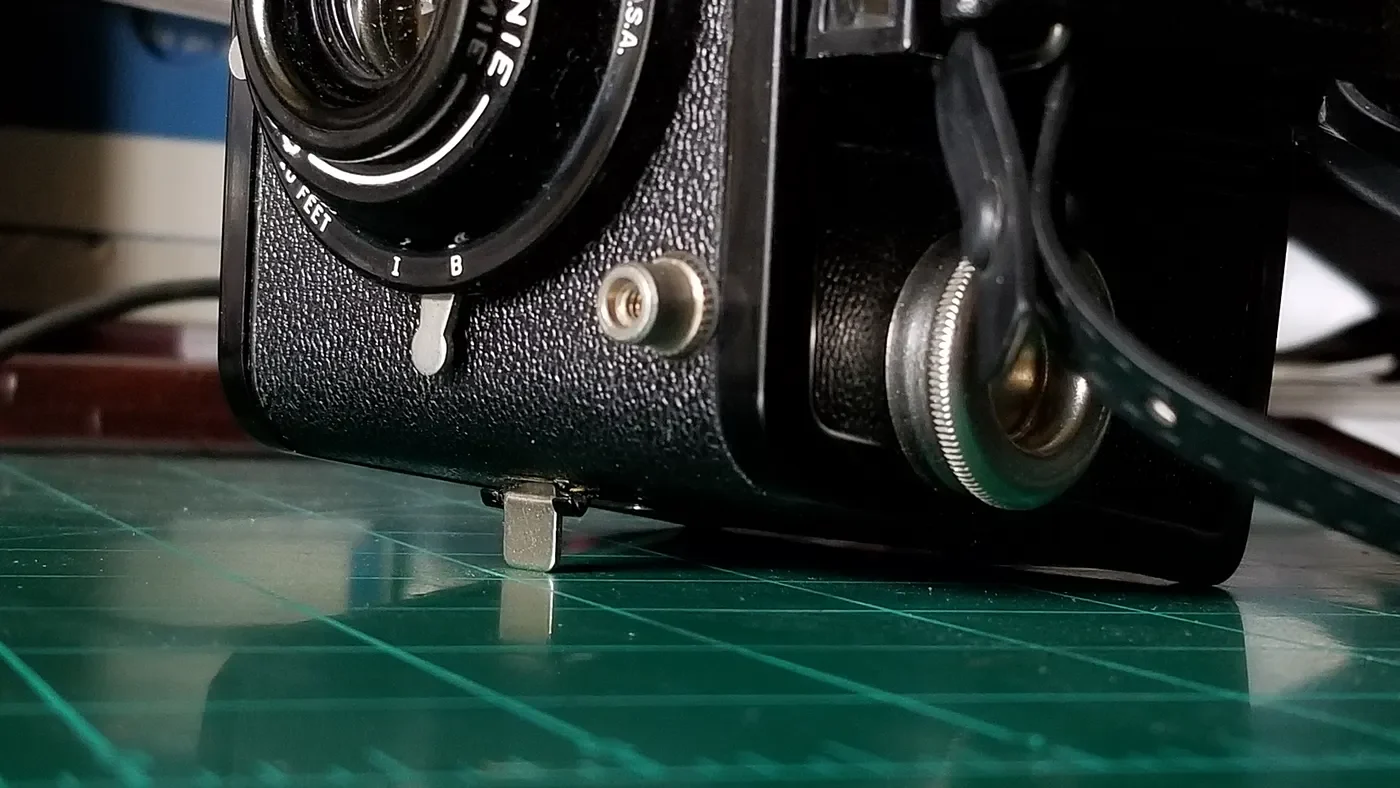
Focusing is afforded the user via two modes: “5 to 10 Feet” and “Beyond”.
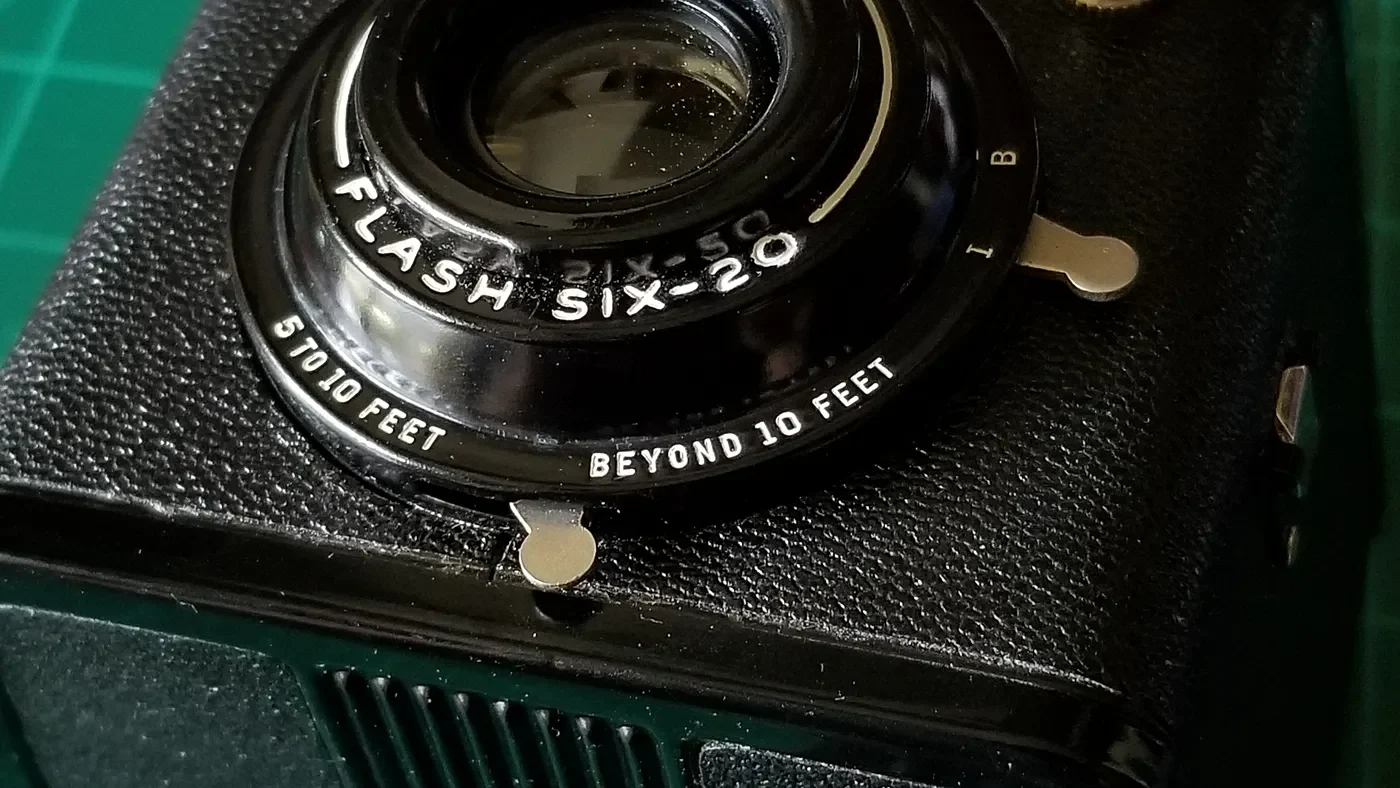
Switching the lever at the bottom of the lens barrel shifts a second element in front of the shutter to accommodate close-focusing. Moving the lever to “Beyond 10 Feet” offers focusing up to infinity should you attempt to image the now far-off location of your lost youth.
The shutter speeds are just as pedestrian. The Six-20 sports either “B” (bulb) or “I” (idiot).
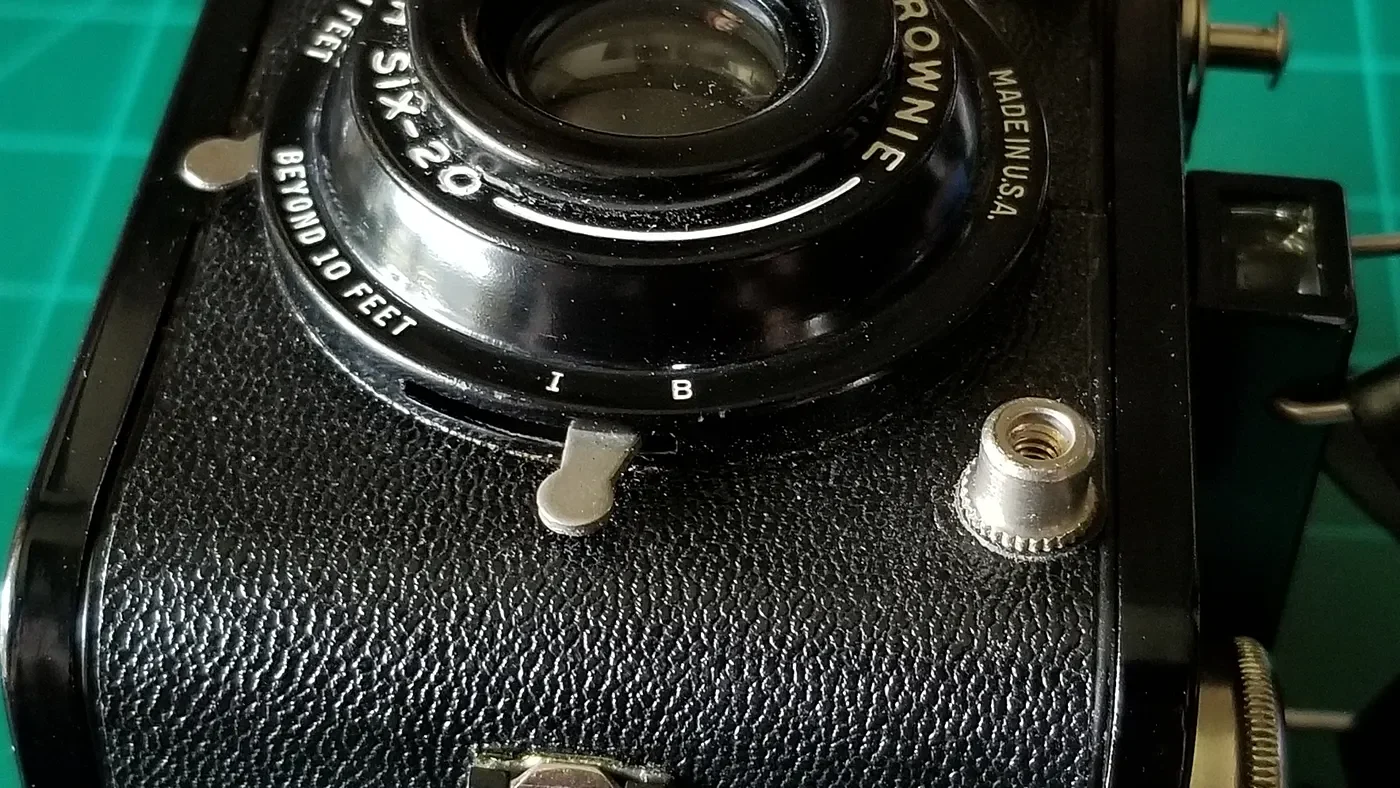
In reality, the “I” speed setting gives an ‘Instant’ shutter speed of about 1/40th of a second where as bulb mode functions just as it does today; leaving the shutter open for as long as the release is depressed. Aperture is a constant F/11ish to F/16ish (by my own calculations).
The shutter release button is typically rough and heavy to press. Interestingly enough, the shutter button features a nearly fail-safe lock to prevent accidental shutter firings and spares you from the knowledge of an aborted frame after all that anguish of re-spooling.
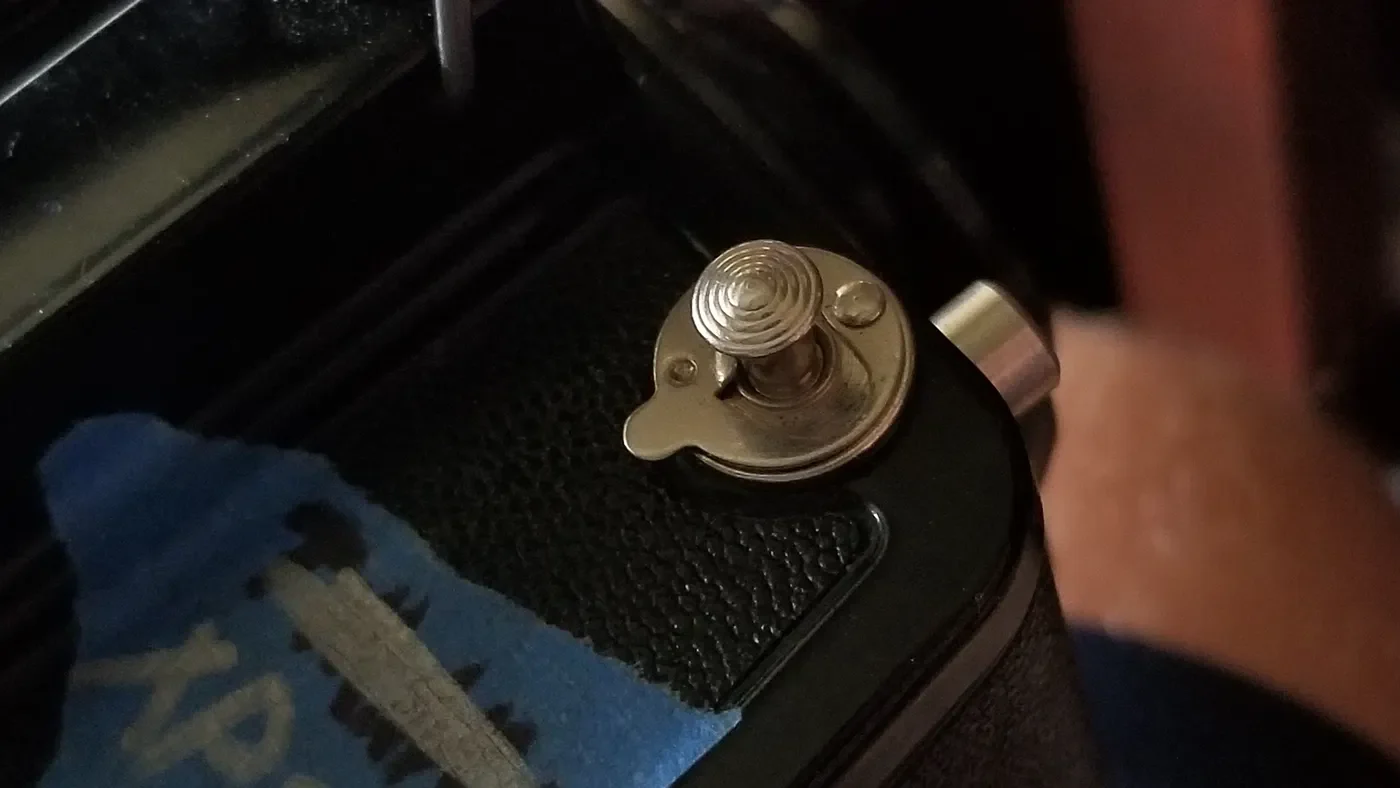
The film is advanced through the camera with the relatively large knob located on top of the camera which has one of the most satisfying “clicks” of any film advance of any camera ever made in any Universe.
To keep track of your frames you’ll be relying on a small, red eye on the back of the camera body. Line up the number in the middle of the window, that’s it. What you see is what you get.
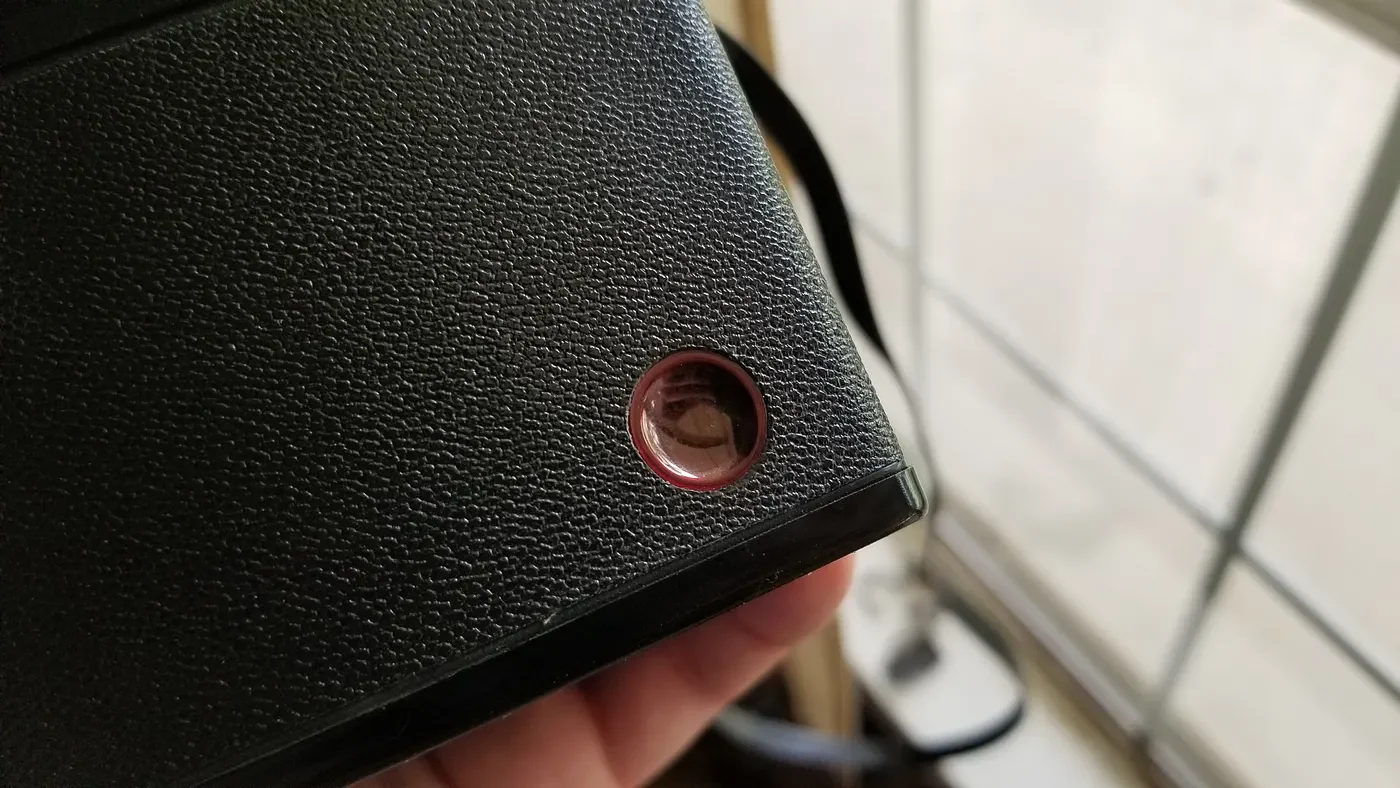
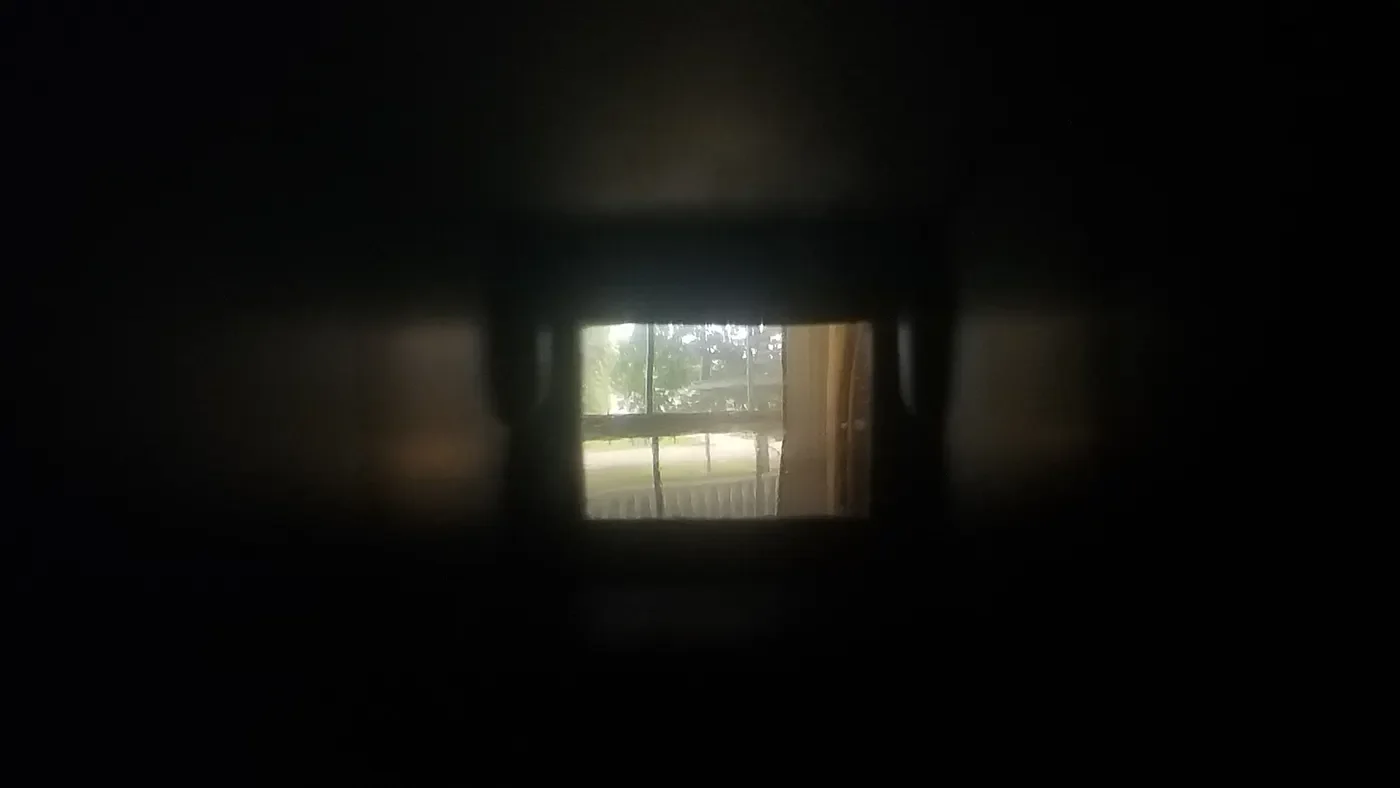
Aside from the aforementioned little nuances the Six-20 Flash sports a relatively spartan exterior. There is an optical viewfinder which will get you close to what you actually are imaging…
At the bottom of the camera body is a standard 3/8 inch tripod mount as well as a “break apart” lever. It’s this lever which will open the camera for film loading.
6x9…Nice.
Of course you don’t care about any of this. You want the money shot. “What about the pictures?” I hear you screaming from the back. Well. Here.
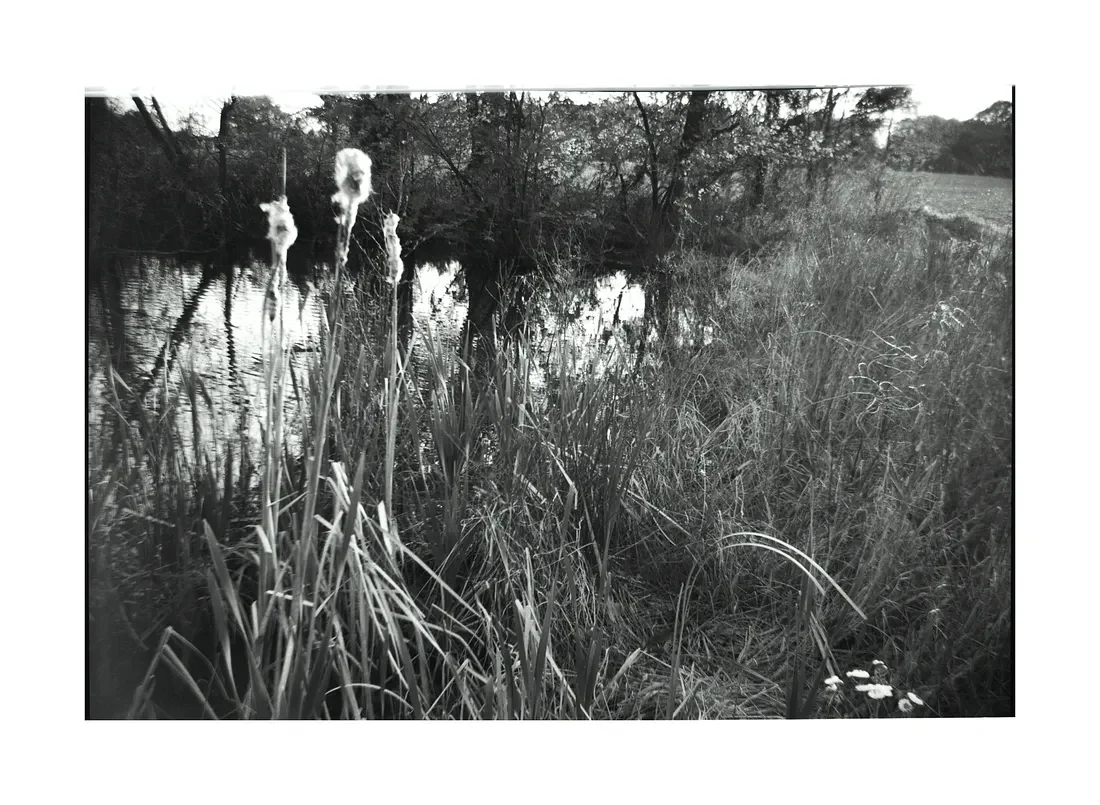

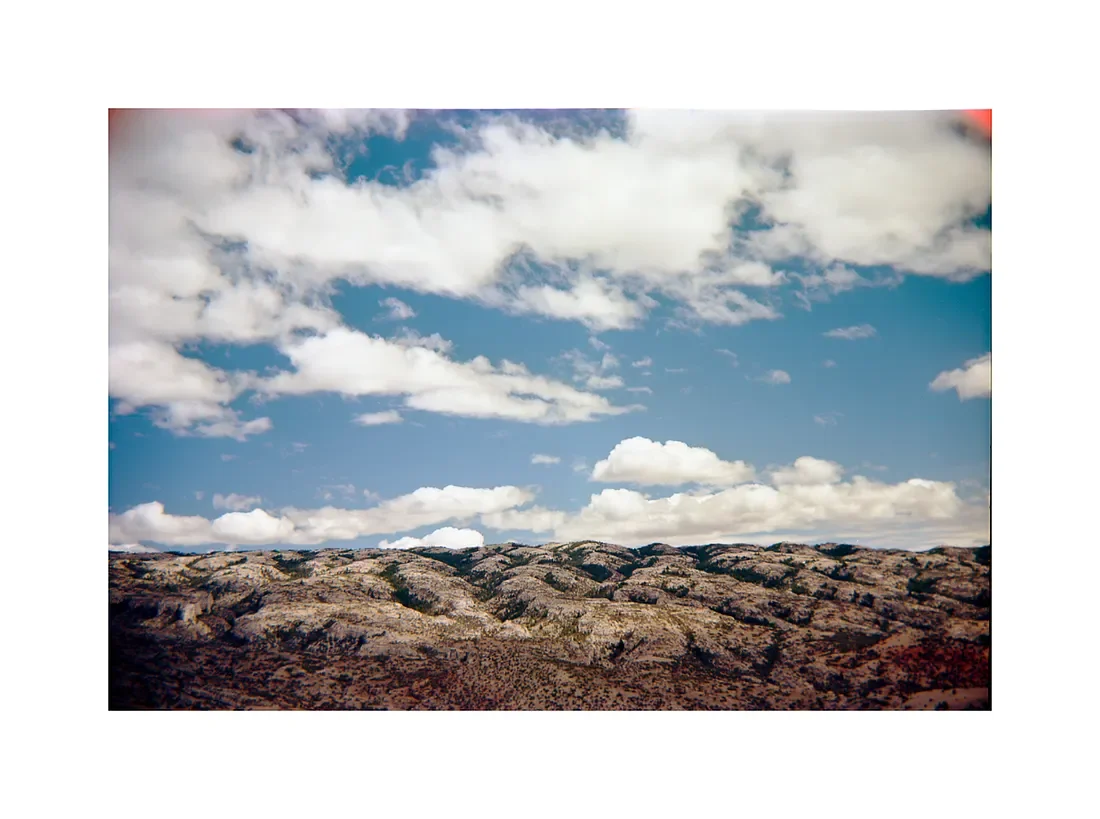
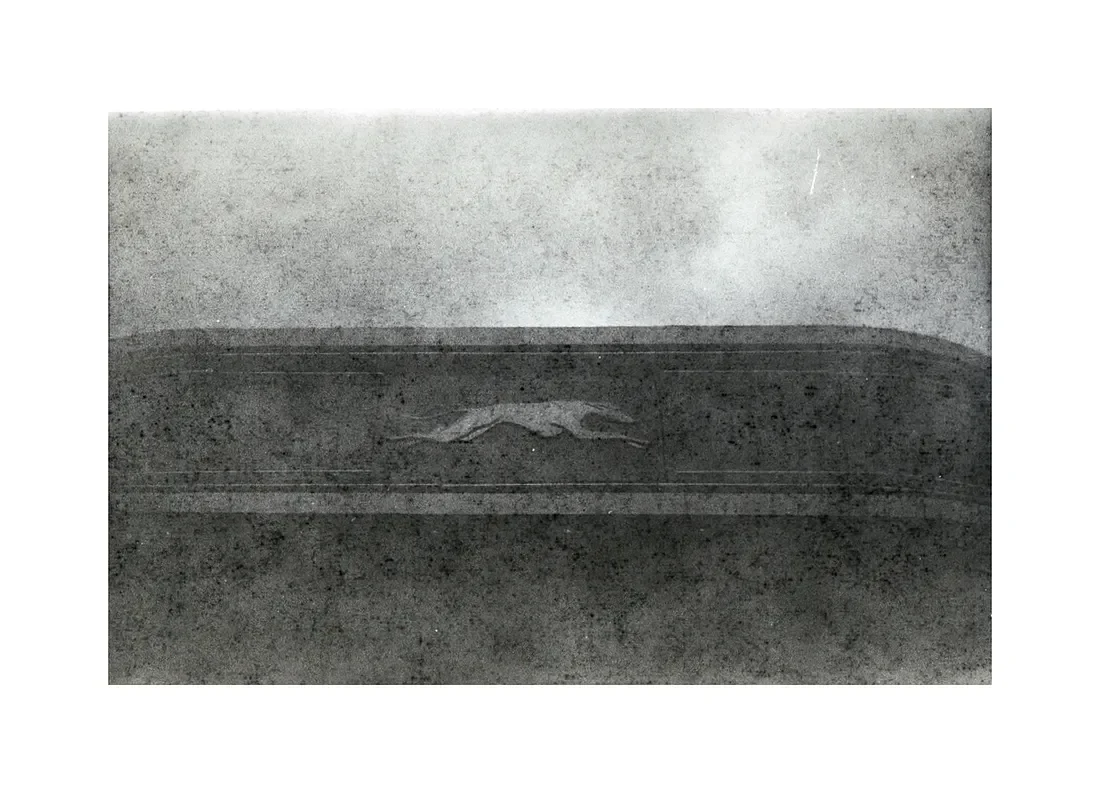
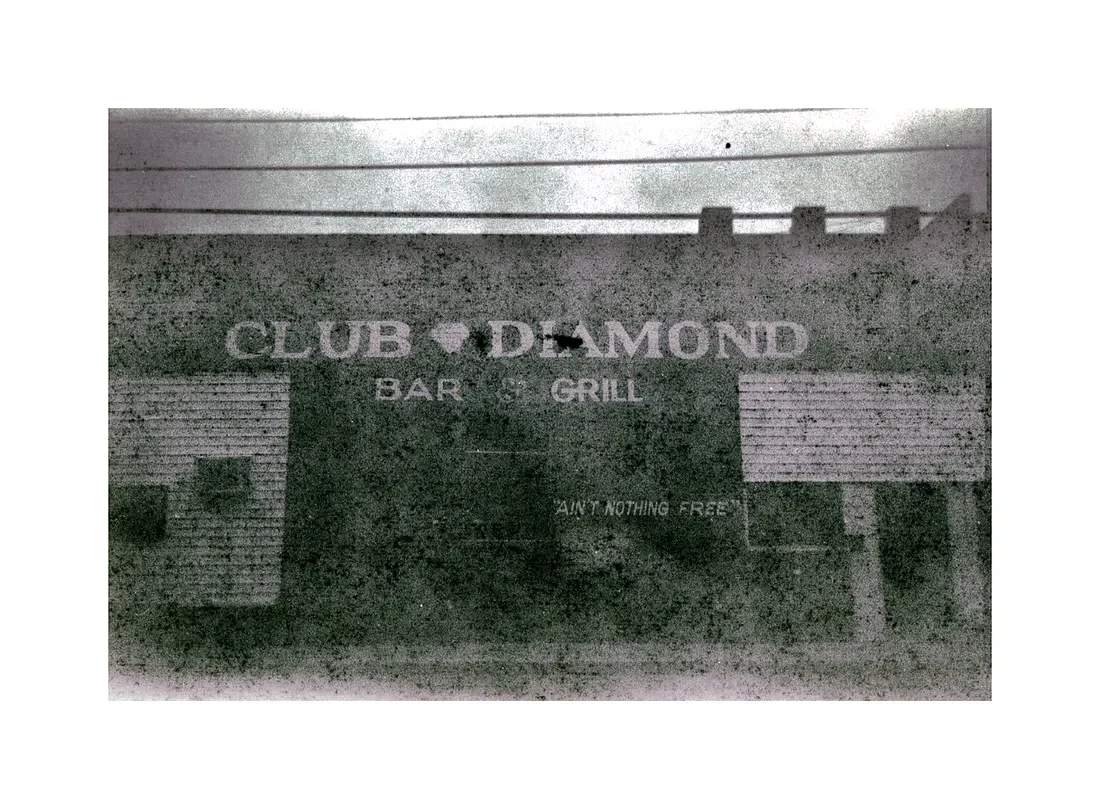
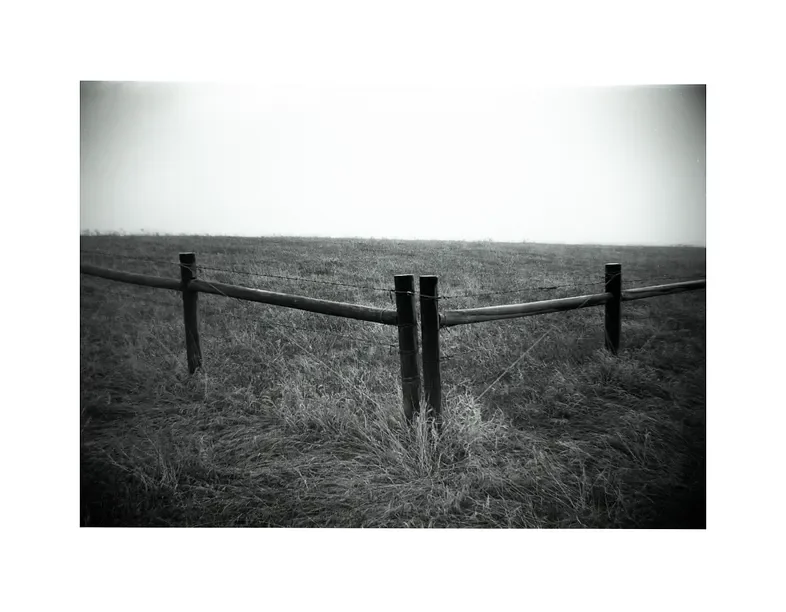
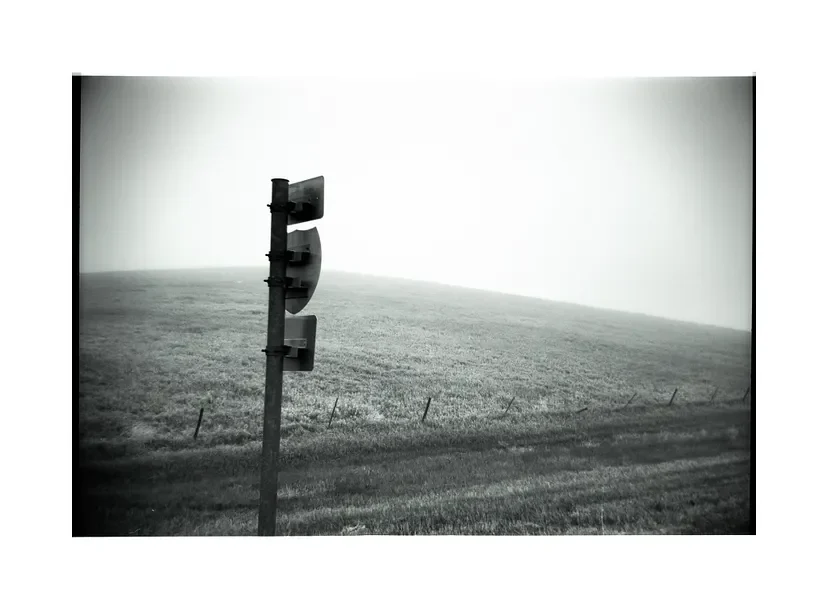
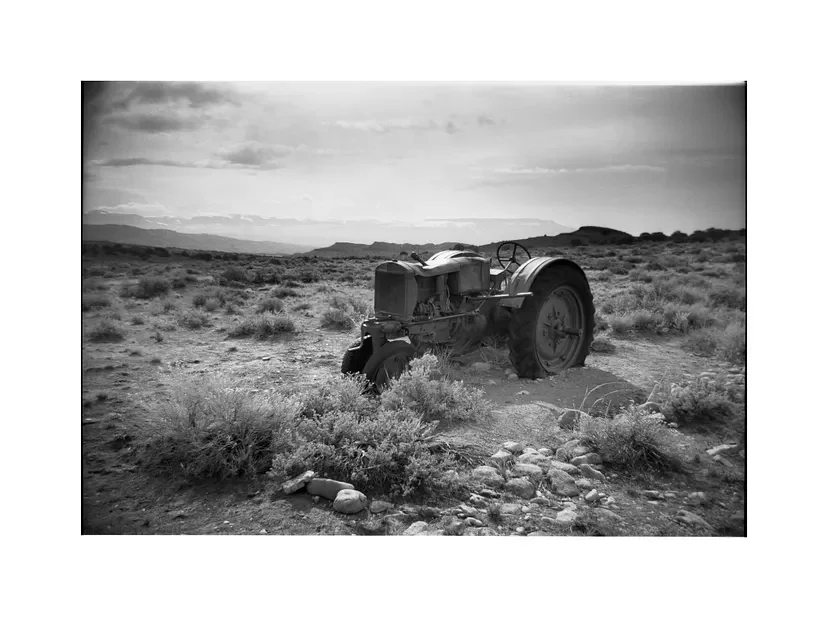
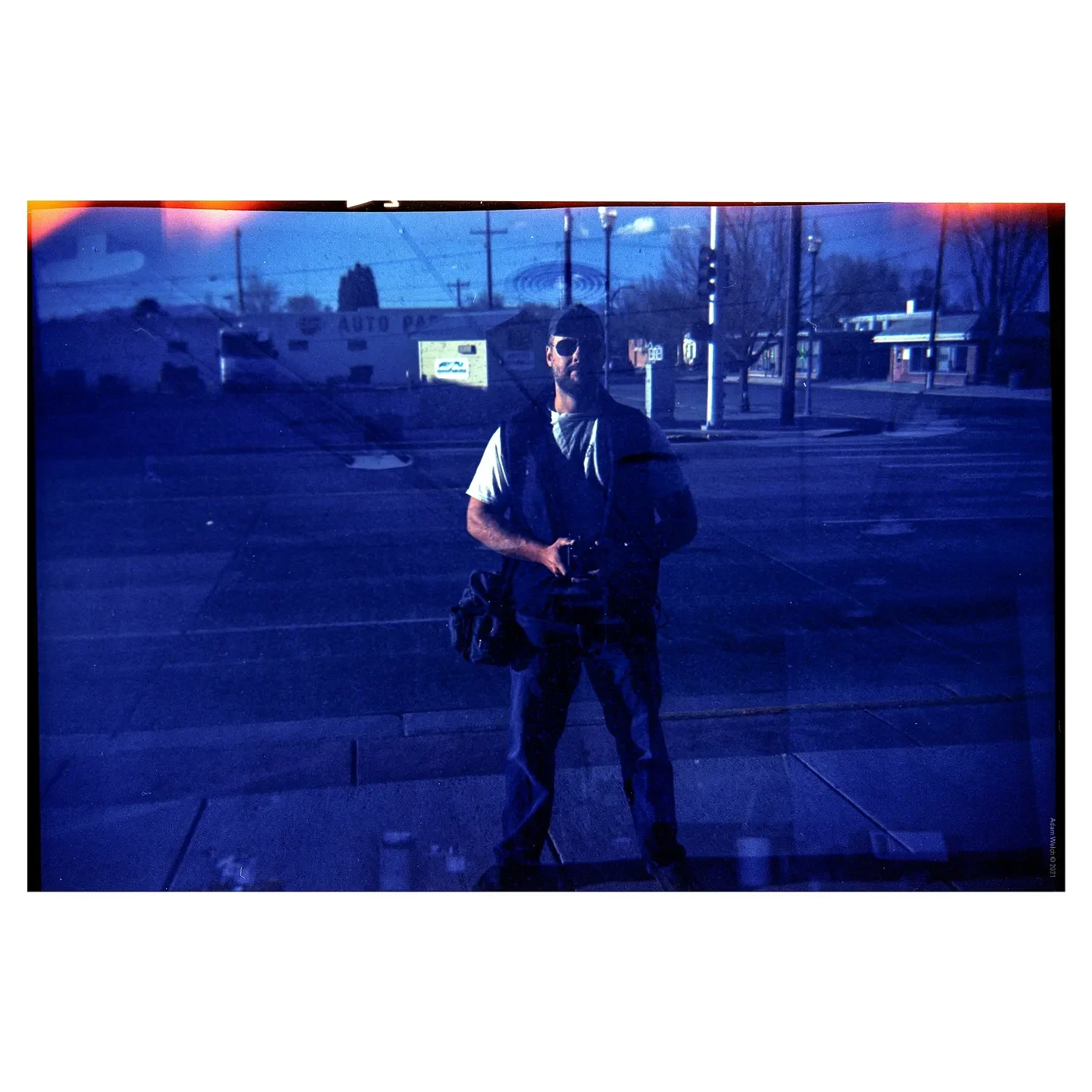
Since I already own one I don’t mind saying that the Kodak Six-20 Flash is one of the widest doors through which the intrepid soul can enter the world of medium format film photo work. These little cameras are nearly indestructible signposts pointing to an era when quality fit comfortably within the corners of simplicity and design. If you can stomach a bit of front end horrors to get your 120 film into the camera you’ll be rewarded by a serviceable medium format body that fits well in the hands of the beginner and disillusioned pro. And those big 6x9 negatives? Jesus. They offer a resolution on scans that rivals virtually anything of the digital flavor being produced today.
What’s more, if you’re a person of patience, you can still find near-pristine specimens of this camera for around the price of a roll of Portra 400. And since I enjoy money, feel free to take a gander on eBay (don’t give over $30US shipped) for your own Six-20 using my partner link here https://ebay.us/TrVMBb
Like this review? Then you’ll love this write-up of a similar box camera monstrosity — Timid Love for the Imperial Mark XII Flash.
All text and images copyright 2023 by Adam Welch unless otherwise indicated
Buying through these links helps keep this site running. As an Amazon Associate I earn from qualifying purchases.