Timid Love for the Imperial Mark XII Flash
The ugly duckling of ugly ducklings
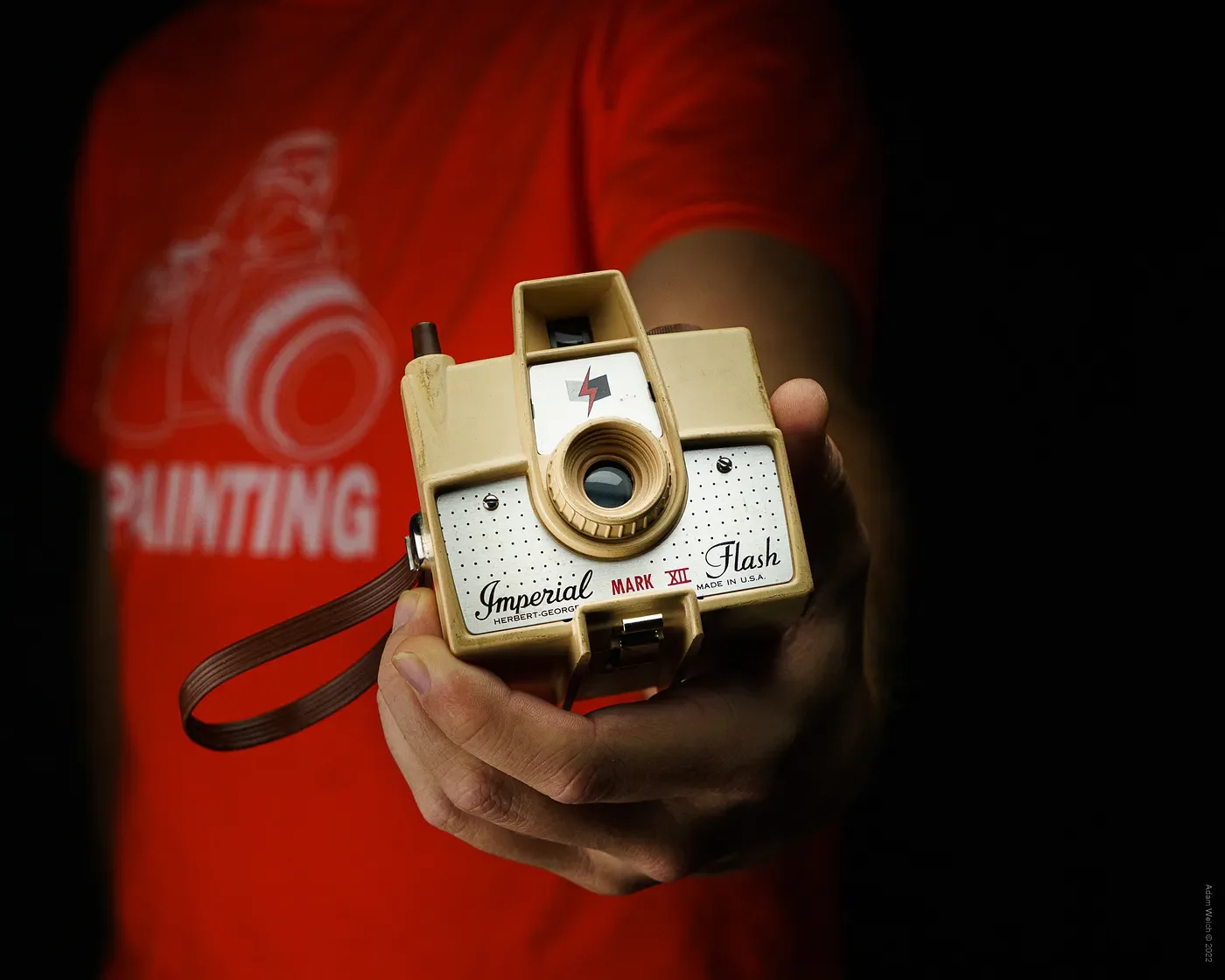
What can I say? I’m a sucker for a proper, trashy 6x6.
Not trashy in a demeaning or unsavory way. No. I mean trashy in that billionaire reality tv star kind of way; the Reba McEntire “Fancy, don’t let me down” kind of way; that 2AM gas station egg roll kind of way. In other words, the Imperial way.
I lovingly present to you the Bakelite box of retrogressive sex: the Imperial Mark XII Flash.
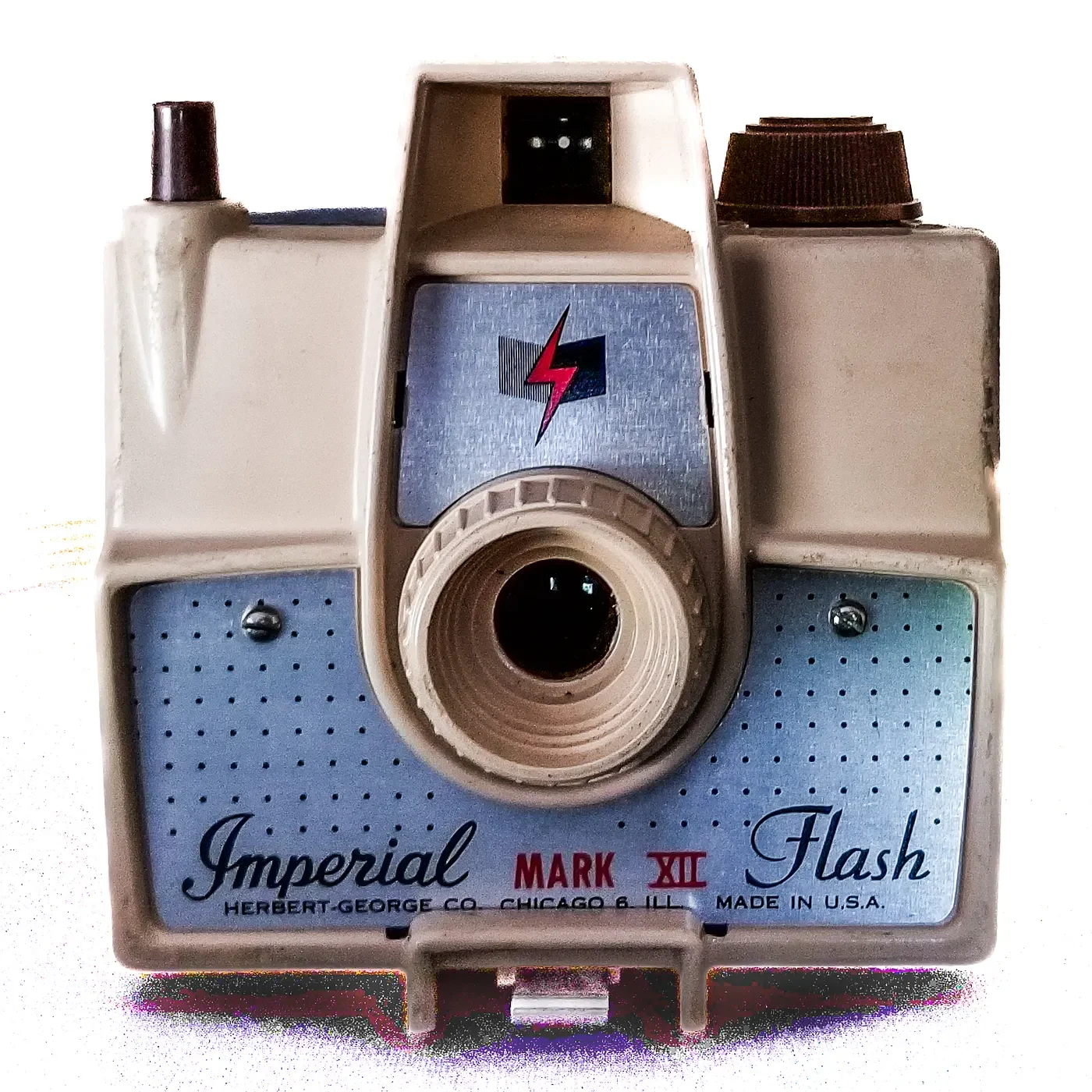
It’s the little 6x6 camera that Hasselblad still quietly pays child support to but you know won’t show up at graduation. The Imperial Mark XII Flash is one of the nearly 40 small, simplistic interface cameras produced by the Herbert George Co./Imperial Camera Corp. from 1945 to the mid-1960’s. These two companies (same company, name changed in 1961) made cameras in various film sizes including 127, 126, 210 and 620. The latter, 620, is the size film our beloved Imperial XII devours with a murderous frenzy. Resulting frames are rendered in that timeless, hipster-approved “ two and a quarter” square format.
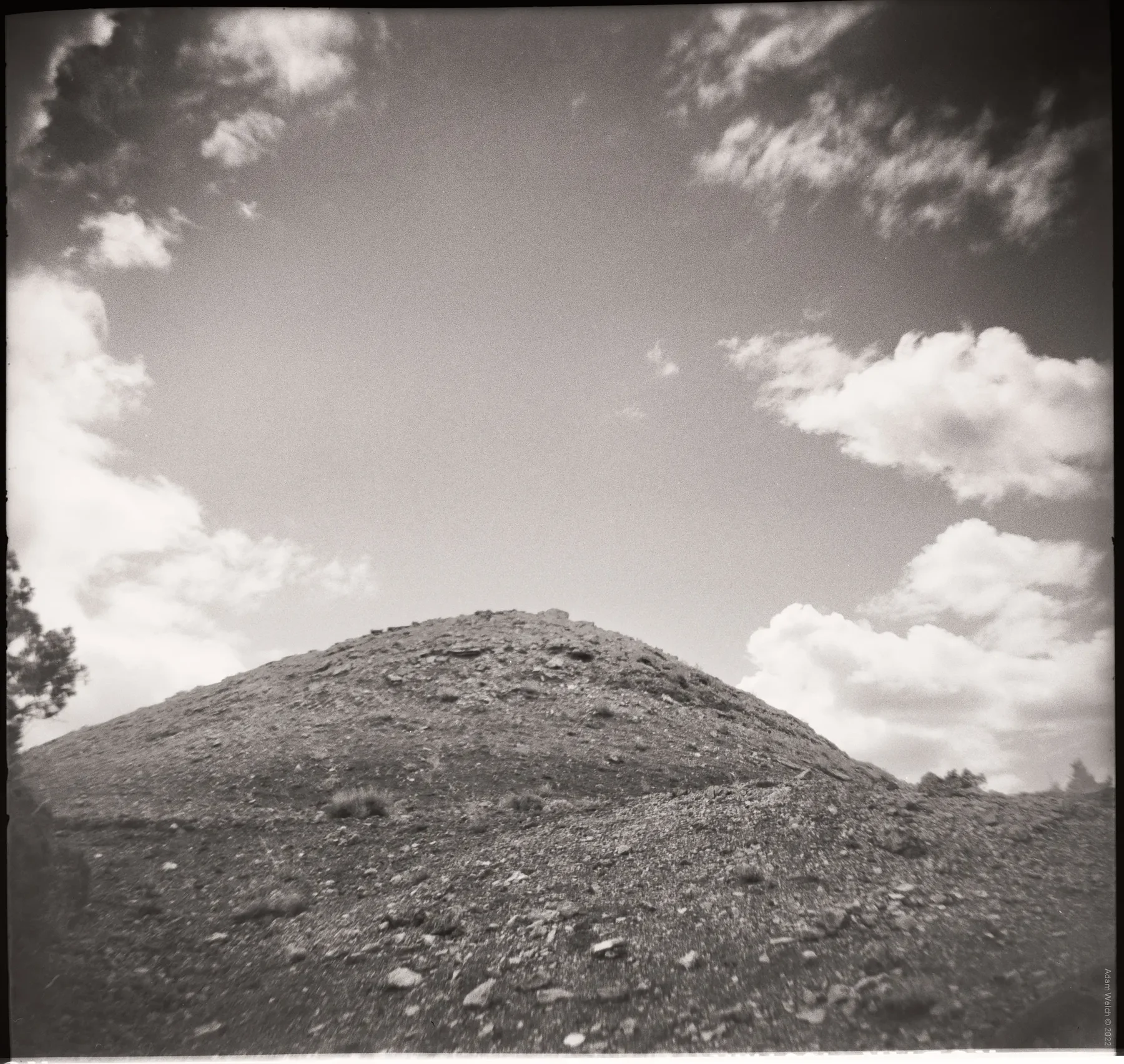
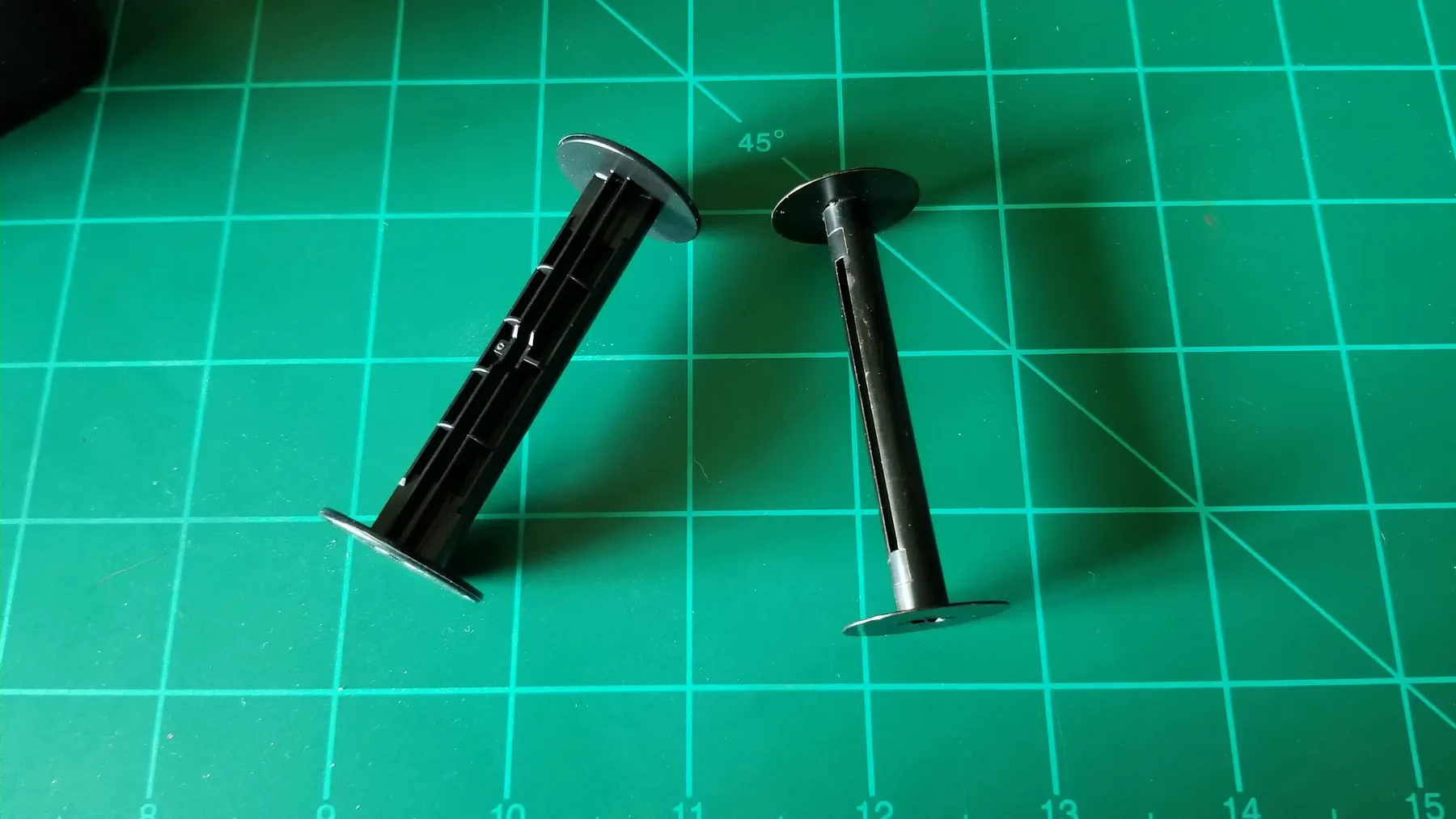
Yes, 620 film is technically deceased these days. If you read my rundown of the Kodak Brownie Six-20 Flash you’ll already know that the intrepid camerateer can easily (relatively) make 120 or 220 sized film work perfectly with virtually any 620 film camera. All that’s required is a re-spooling of modern 120 stocks to a 620 spool (or augmenting the 120 spool) since the physical dimensions between the two film sizes are practically the same aside from their respective spools. Spool spool spool…spool.
Yeah but it’s got a great sense of humor…
The Imperial Mark XII Flash, like many of the photographic goodies built by the Herbert George Co./Imperial Camera Corp. arrived in a variety of colors ranging from Soviet red, asphyxiation blue, corpse gray, vomit green, old banana black, and my personal favorite: flesh tone tan.
There’s no use in denying the obvious, friends. My Imperial XII, at least in the color scheme of the version I currently sling, is not a “classically beautiful” camera. I’ve accepted that fact and love it anyway. I just pull out the paper bag and sally forth. However, like the stoic mantra sung by most other ugly ducklings, its real beauty comes from what is on the inside. More specifically, what isn’t on the inside…or the outside for that matter.
Shoot Like You’re Lazy
If simplicity is your jam it just doesn’t get more jammy than the Imperial XII Flash. Your aperture is a cool and constant F/11 by my own admittedly non-scientific calculations with a single shutter speed hovering somewhere in the atmosphere around 1/40th of a second. I say “hovering” because while the shutter itself is automatically cycled the actuation of the mechanism does appear to be somewhat “flexible” depending on the enthusiasm of the user. Meaning, if you really punch that shutter button like it owes you money the resulting shutter time will be perceivably shorter, perhaps 1/80th to 1/100th of a second (like I can really tell). A more gentle, motherly press will produce a moderately slower speed; likely in the 1/25th second range.
The lens is a single piece of plastic bliss.
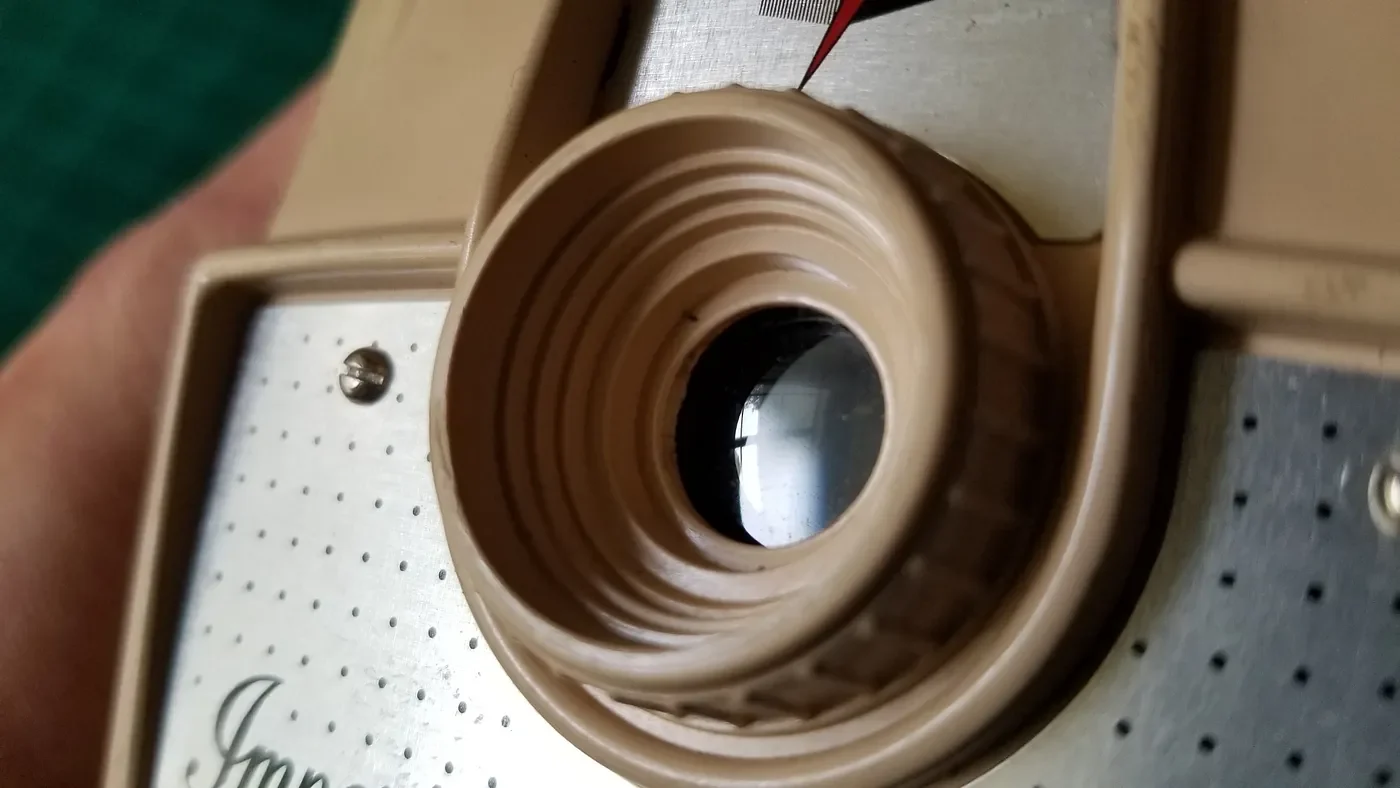
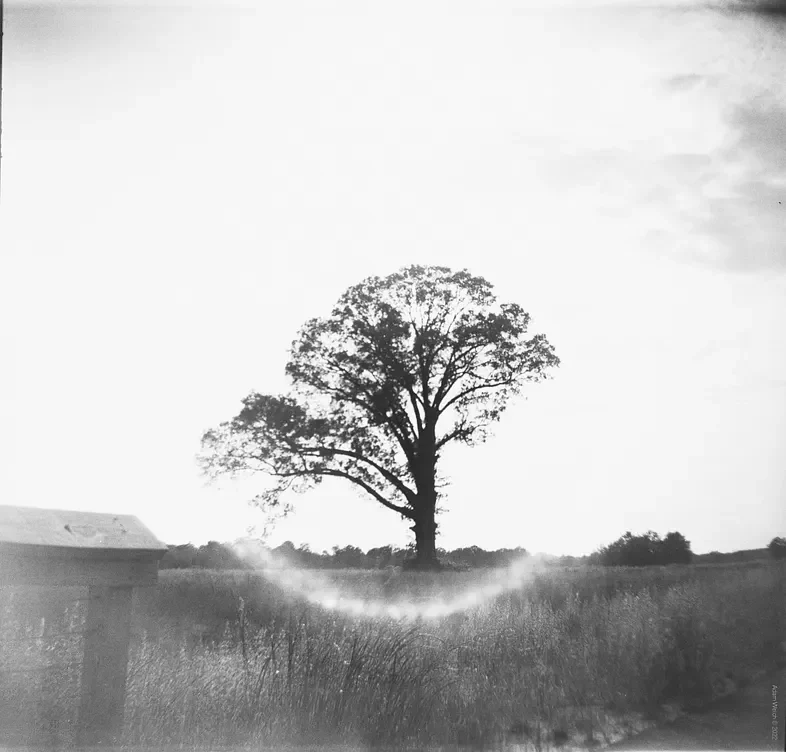
It renders a delightfully dreamy (read “not that sharp”) effect and carries a host of other nuanced aesthetics depending on the lighting conditions and film stock employed.
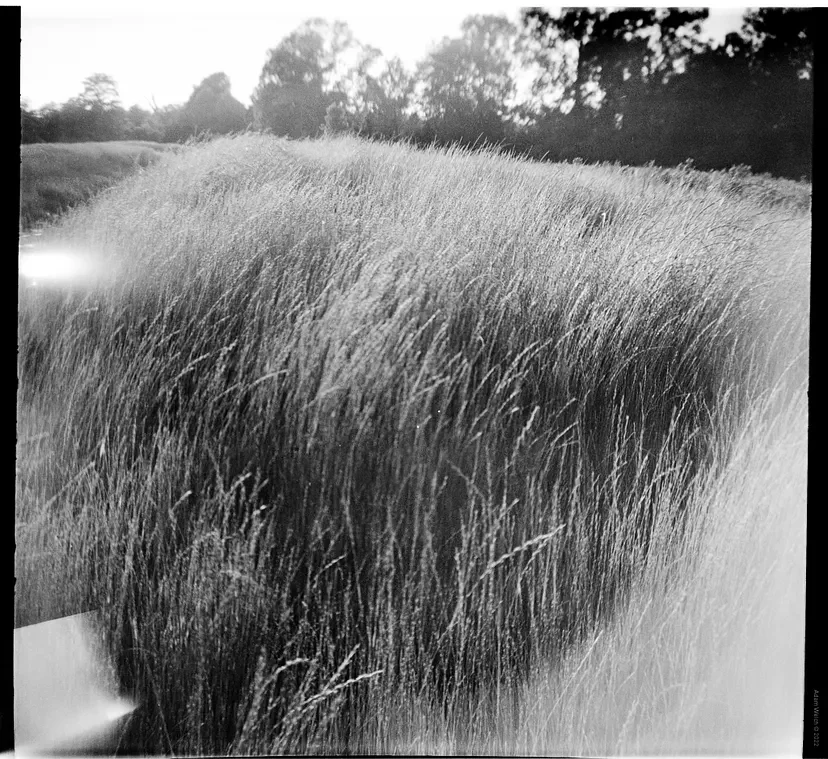
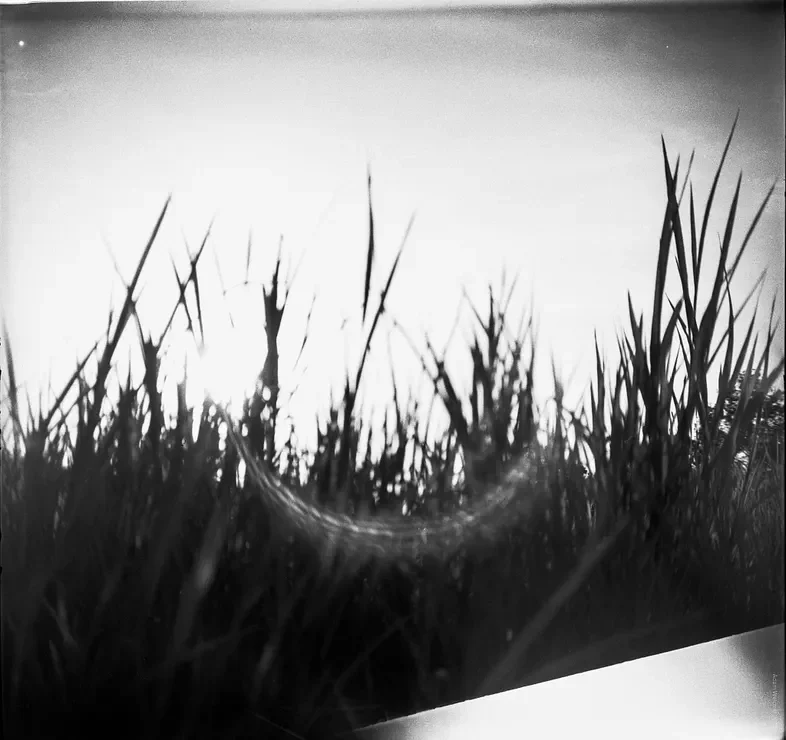
I’ve heard legends circulating in the dingy back rooms of Guatemalan whorehouses that a small contingent of brave souls have actually managed to reverse the lenses of these cameras producing wildly psychedelic images of extreme bow and aberratic vigor. However, I have not ventured out into those dark and savage waters…yet.
In terms of framing, well, good luck. The integrated viewfinder of the Imperial XII Flash is a bad joke. While I suppose it technically meets the requirements of being a viewfinder it’s as if it was designed on some sort of dare by the engineers yet somehow managed to slip through to final production. It’s literally a square circle.
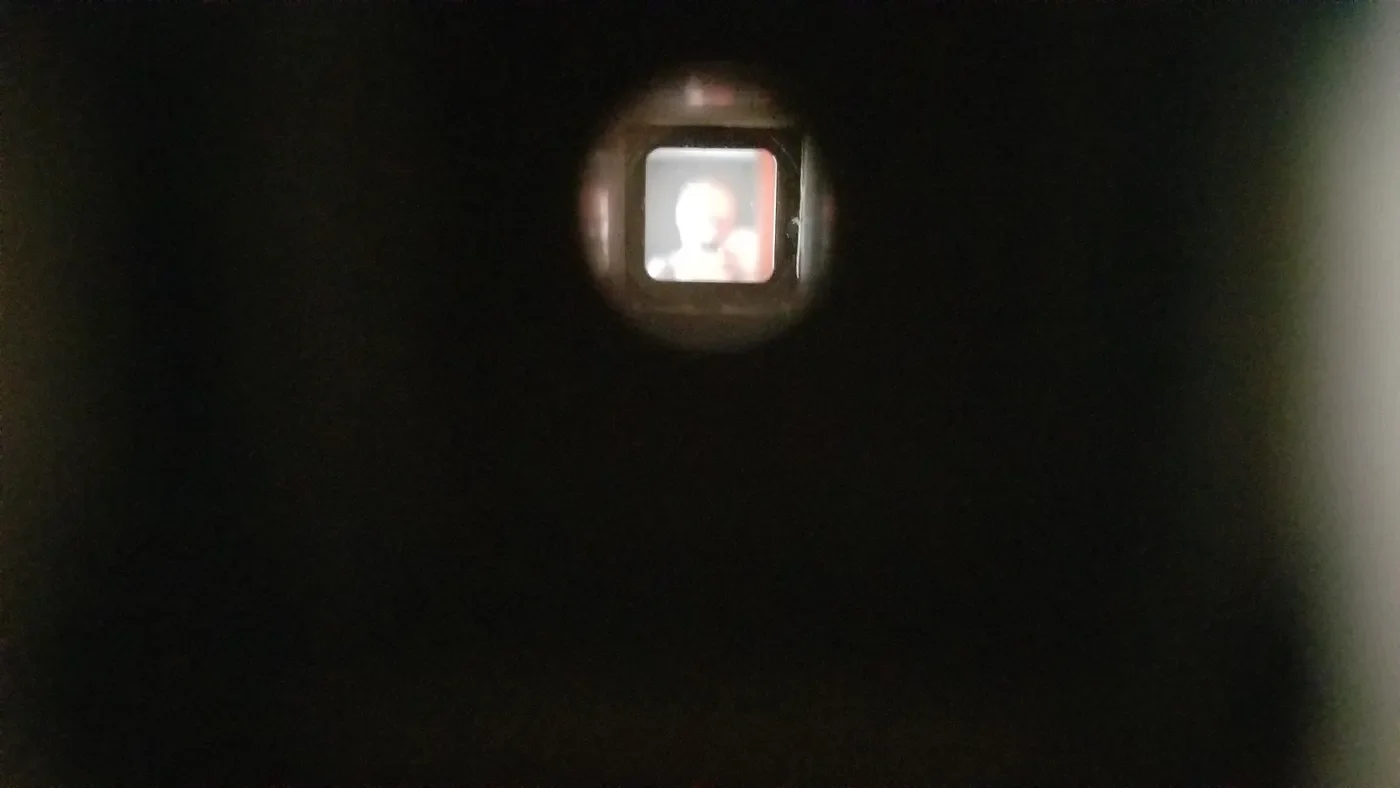
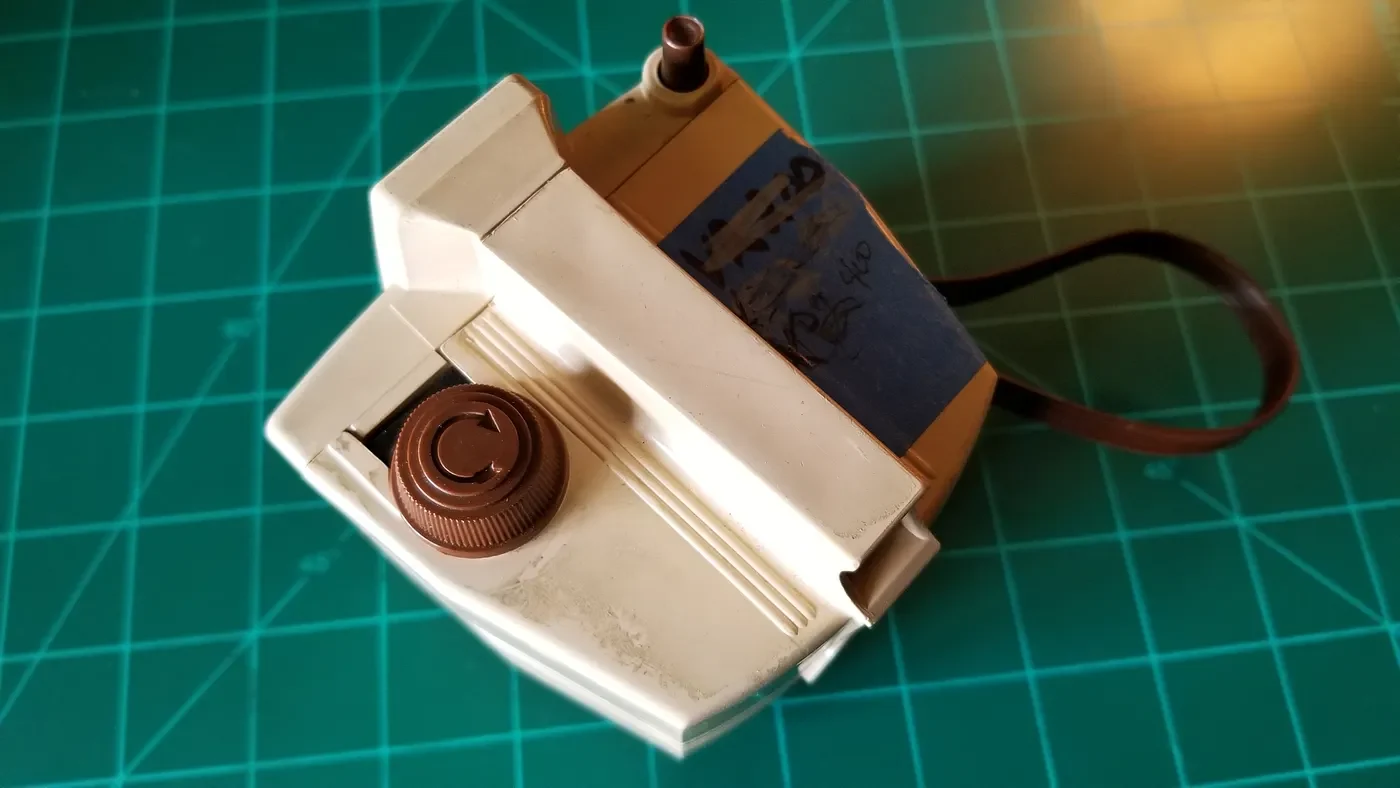
Film is advanced via the winding knob at the top left of the camera with the current frame number being hazily visible through the little red window on the back of the camera body.
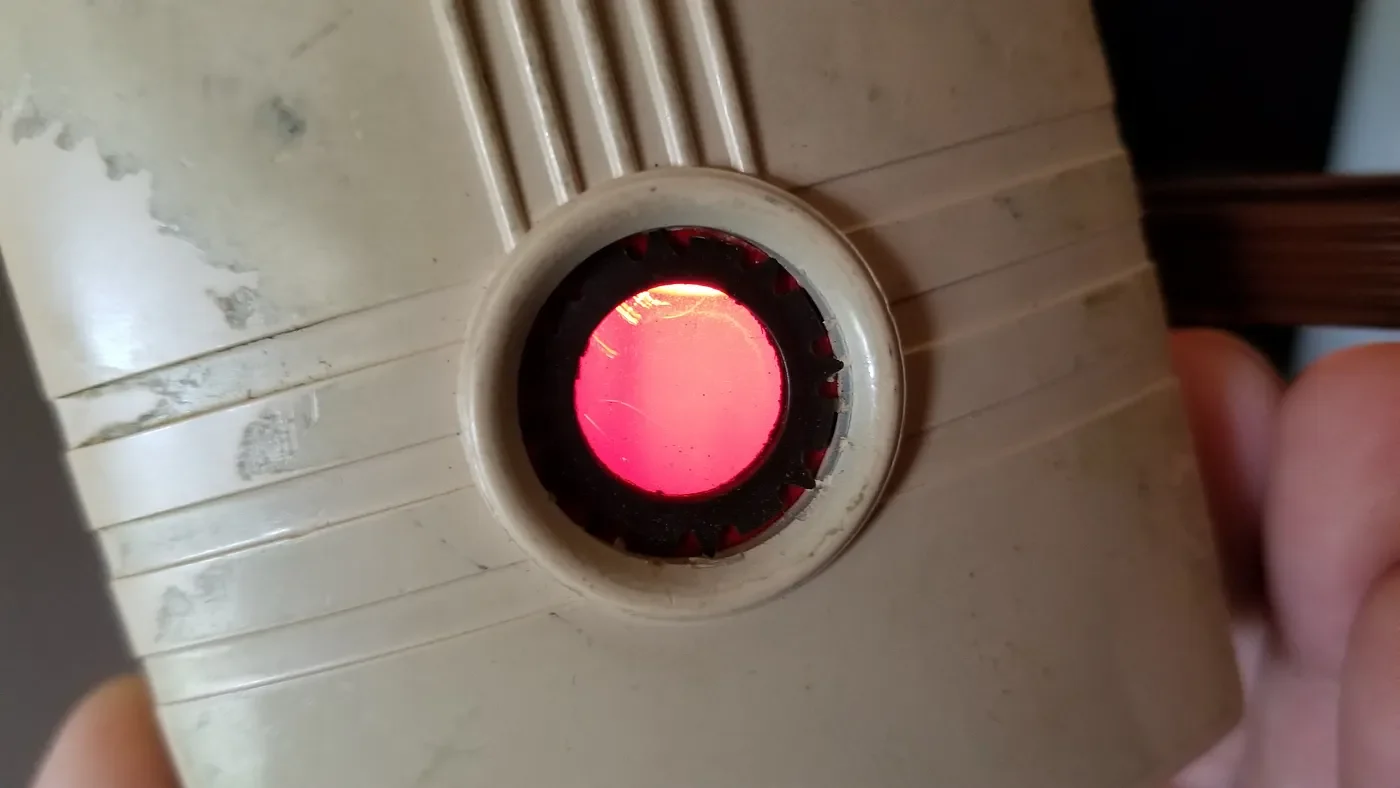
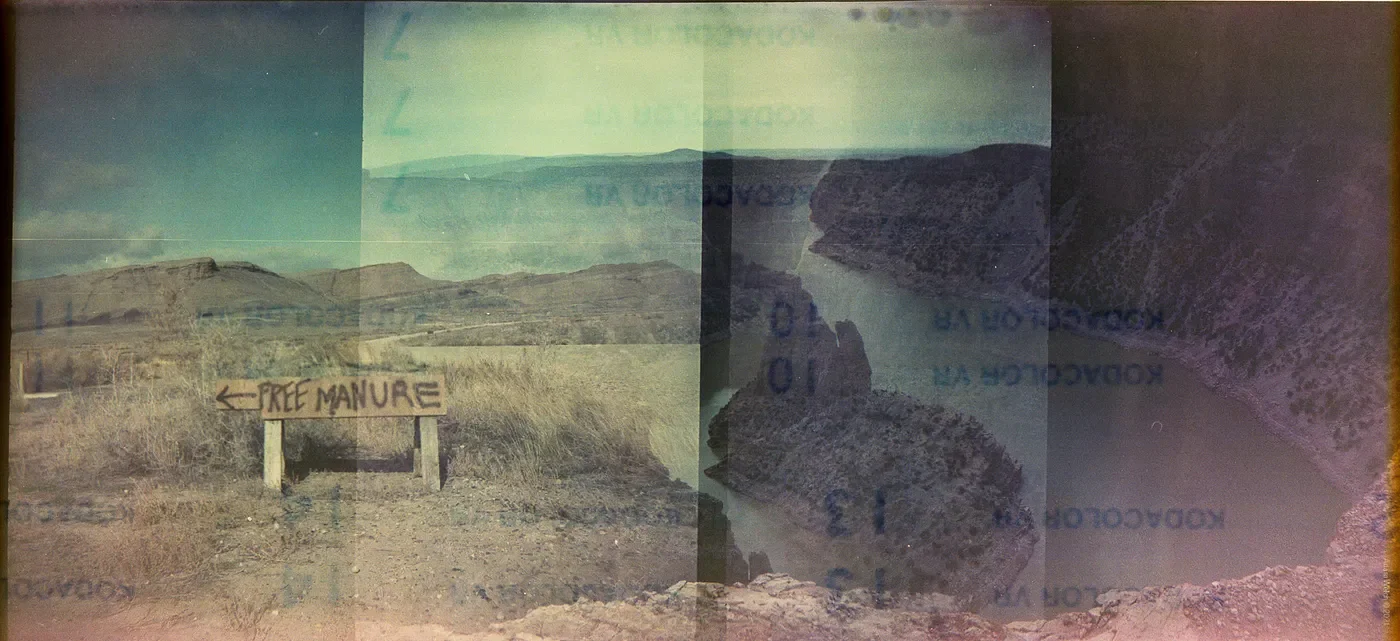
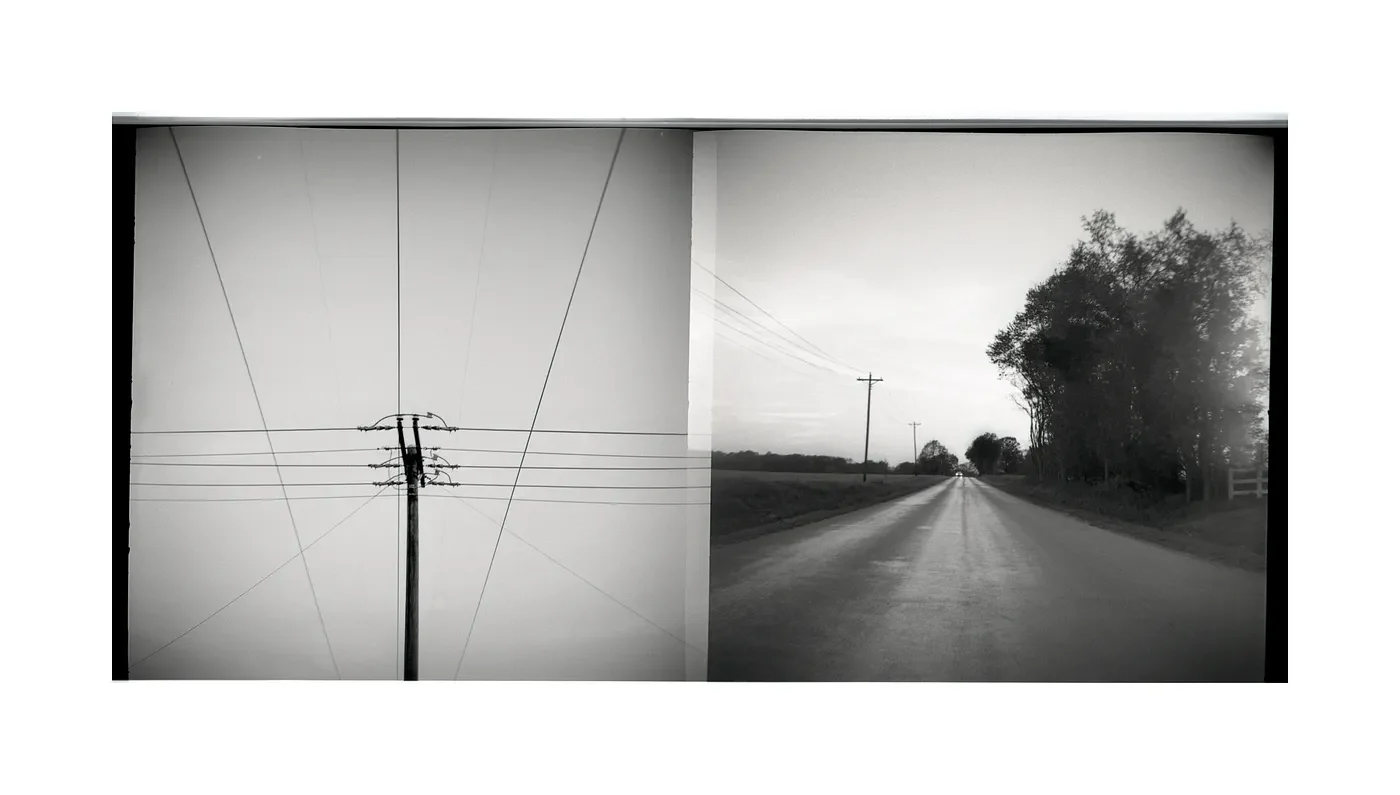
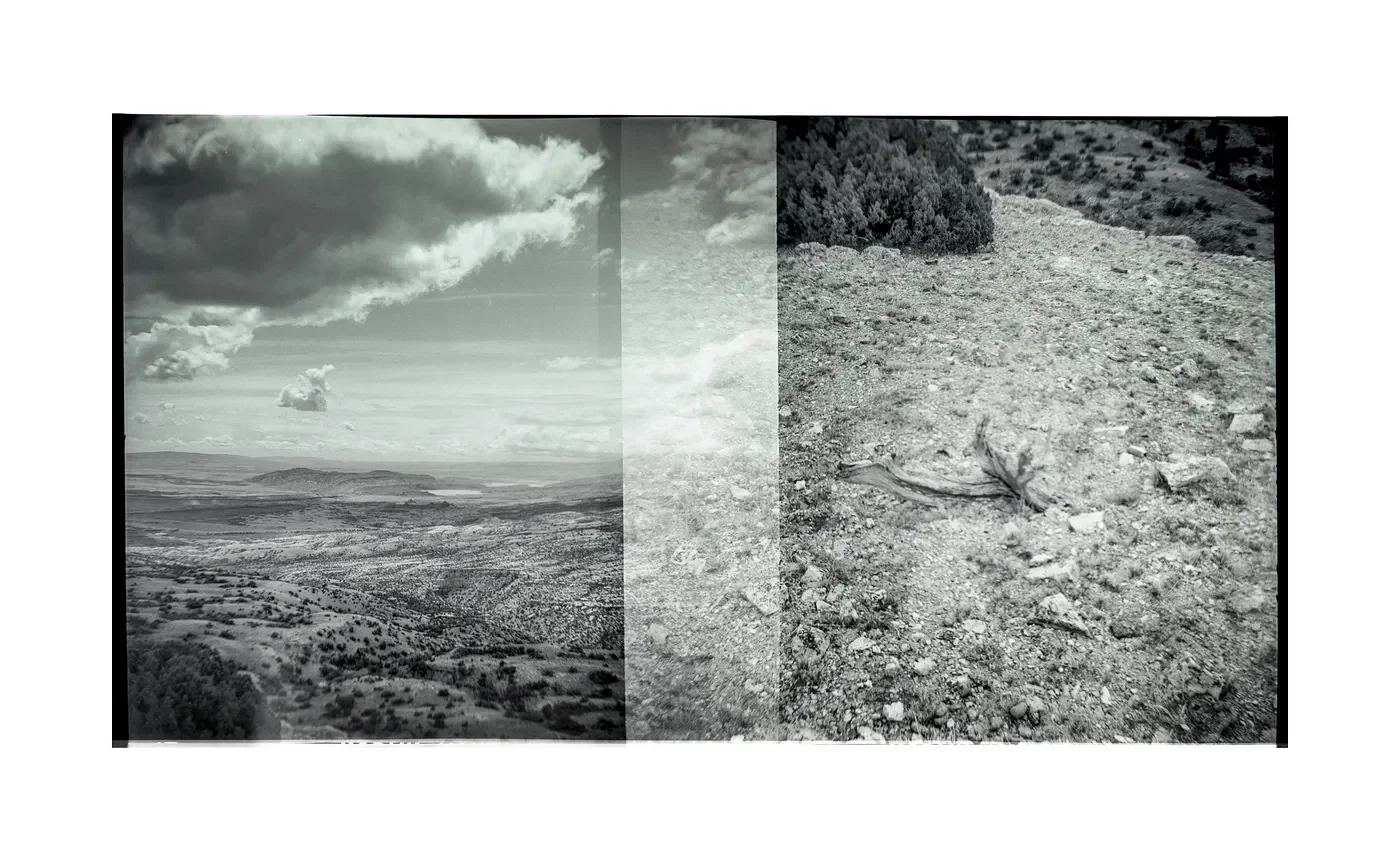
It’s worth noting that the film advance is thoroughly “no click”; just a smooth and silky perpetual twist that seems to whisper “I’ll ruin you.” There is no reverse direction for the knob. Should you buck that roll a bit too far past the mark you’ll just have to eat lost frames. In fact, if one is not mindful, one might just wind that film three or even four frames further than intended. Which can be frustrating to one. I am one. However, with a bit of practice, this ability to selectively advance the film can facilitate delightfully appealing in-camera diptych and triptych collages which the 6x6 format seems to favor…if you’re into that kind of thing.
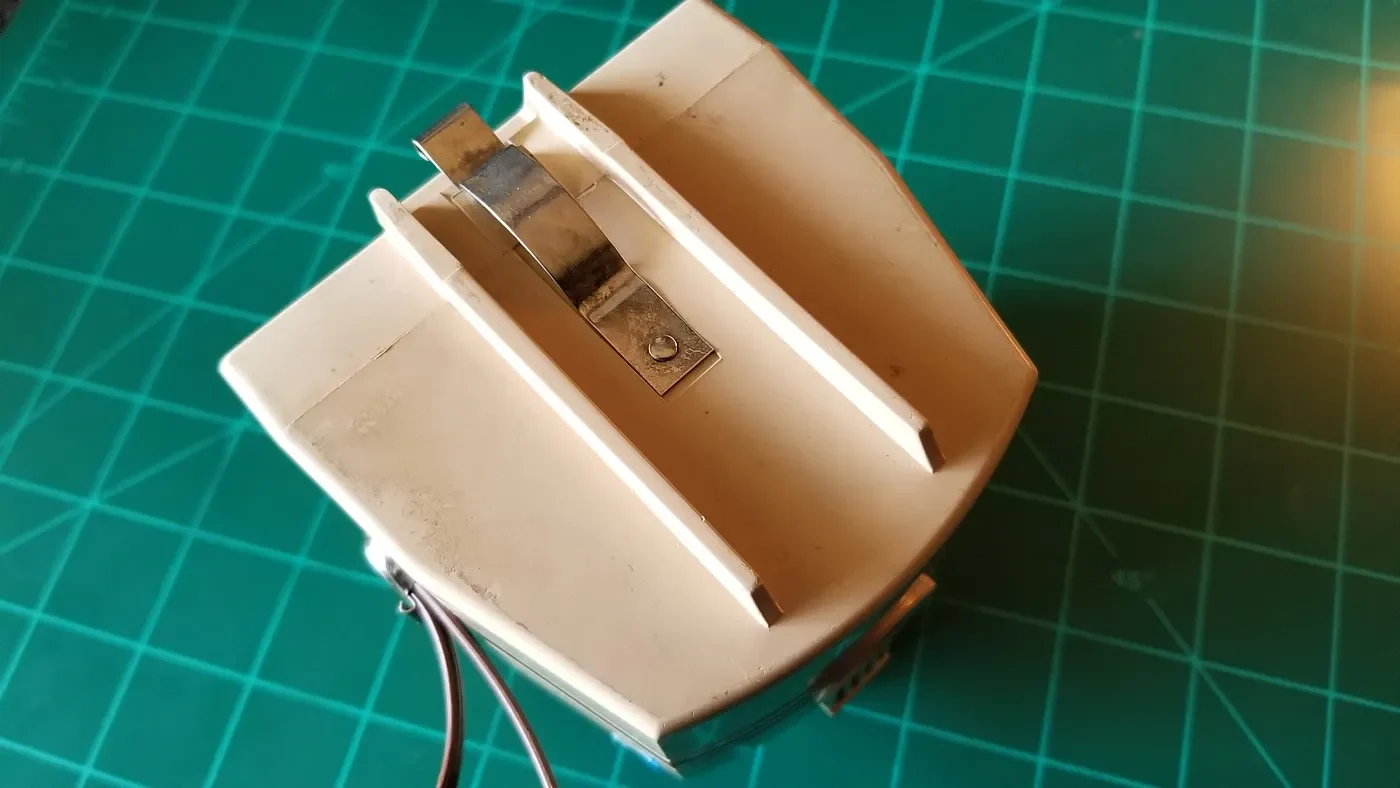
Breaking down the camera for film loading is easy — perhaps a bit too easy. All that’s holding the damn thing together is that spindly spring catch located at the bottom-front of the body.
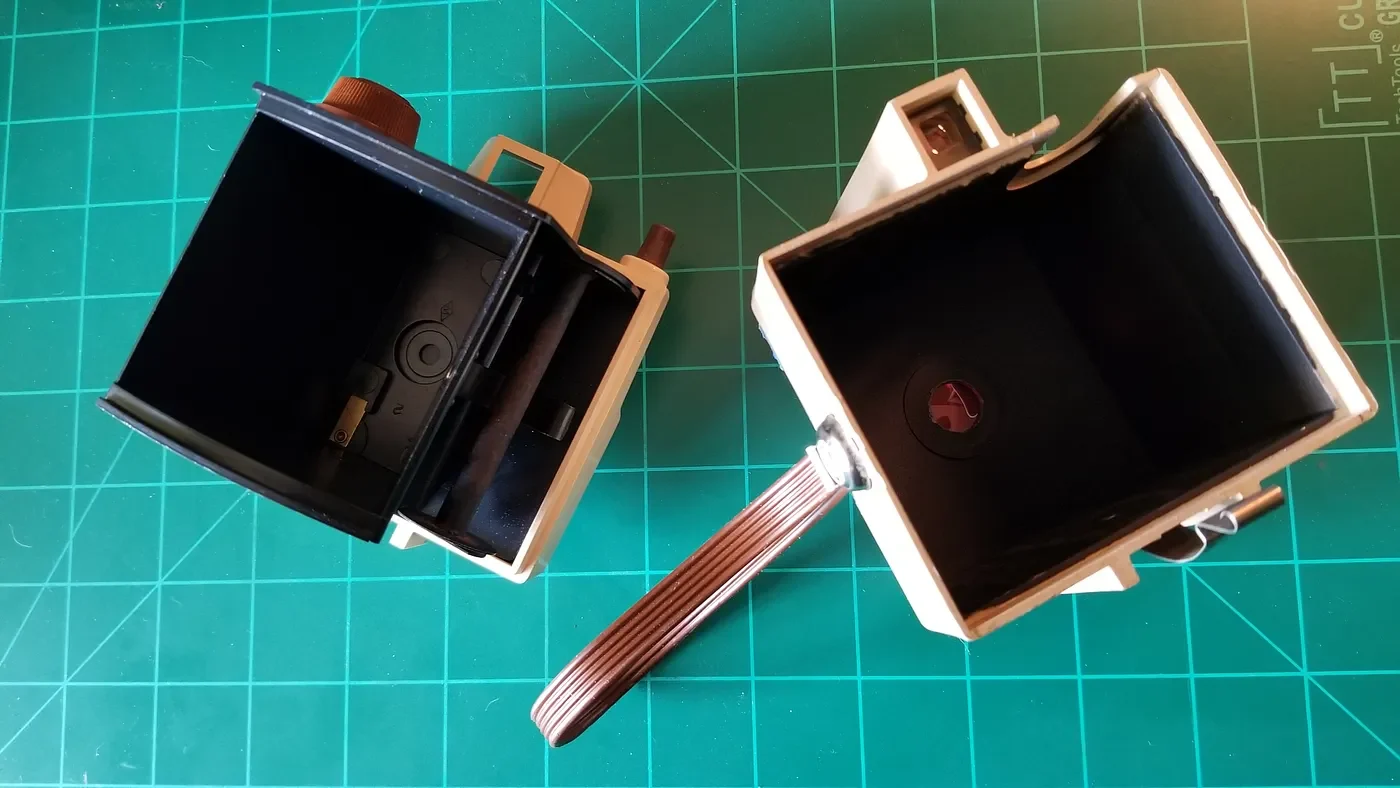
Over time and with prolonged use that spring tends to relax a bit resulting in the camera jolting open like some demented jack-in-the-box. A gentle bending of the spring solves this issue should you ever encounter such a rancid horror with your Imperial.
The rest of the camera proves baron with a vinyl wrist strap being the last remaining bell on the tree. The strap is permanently riveted to the body of the camera. Personally, as a productively lazy person, I love this addition to the Imperial XII. The ability to nonchalantly carry the camera makes it extremely convenient to port around compared to some other box shooters of this flavor with which to transport one must be decidedly chalant.
The Juice
Well anyway. Allow me to direct you southwardly to a modest curation of photographs made with the Imperial Mark XII Flash.

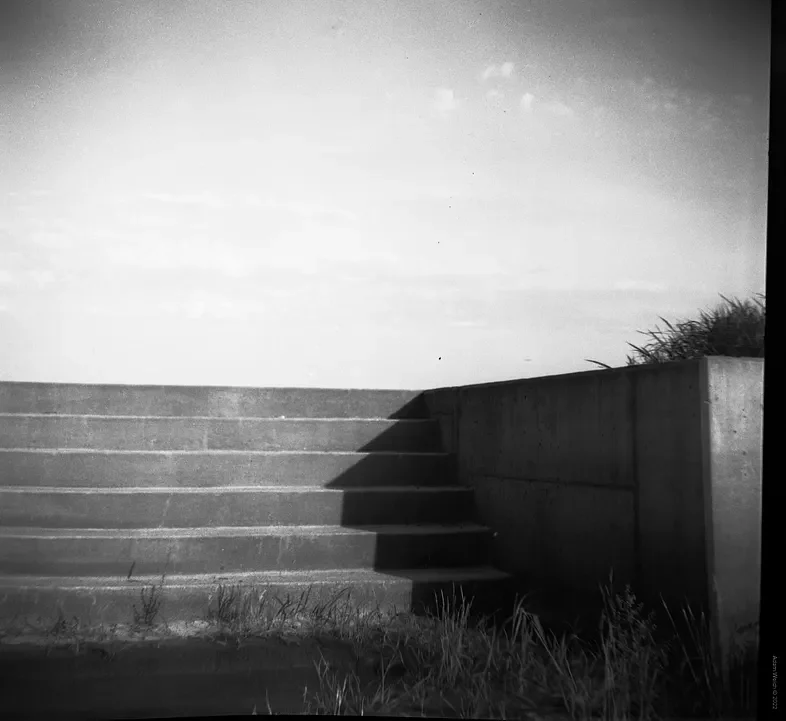
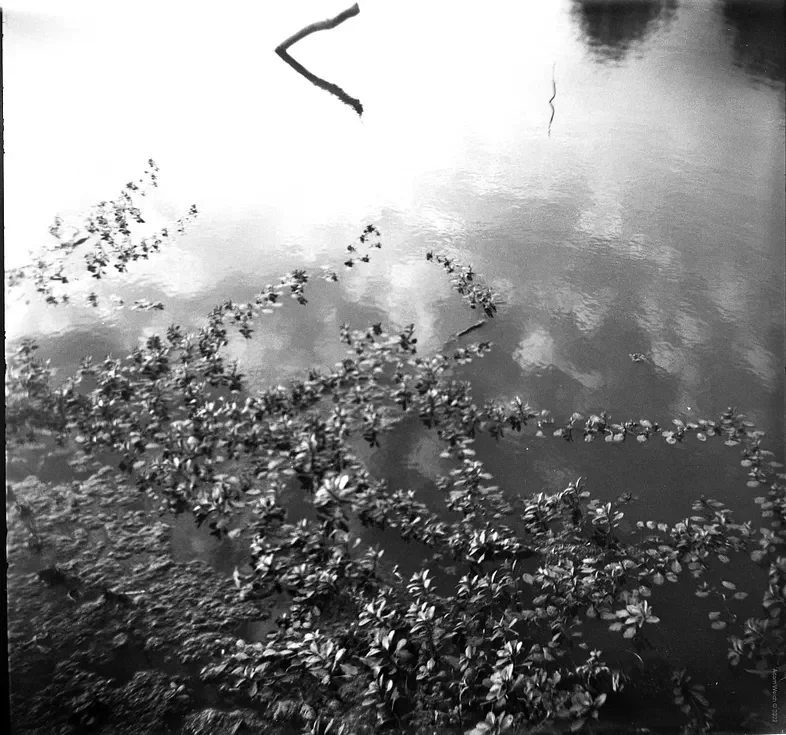
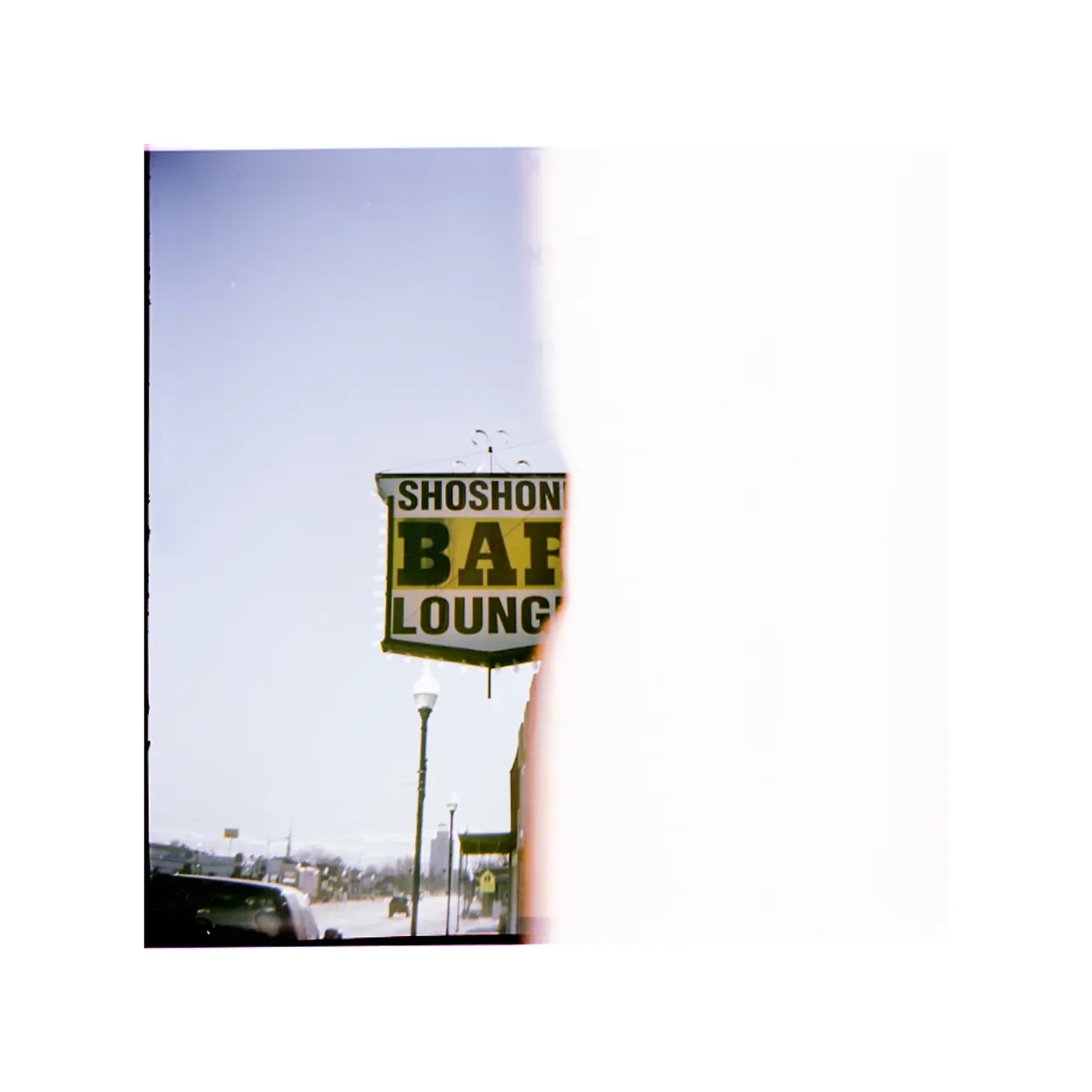
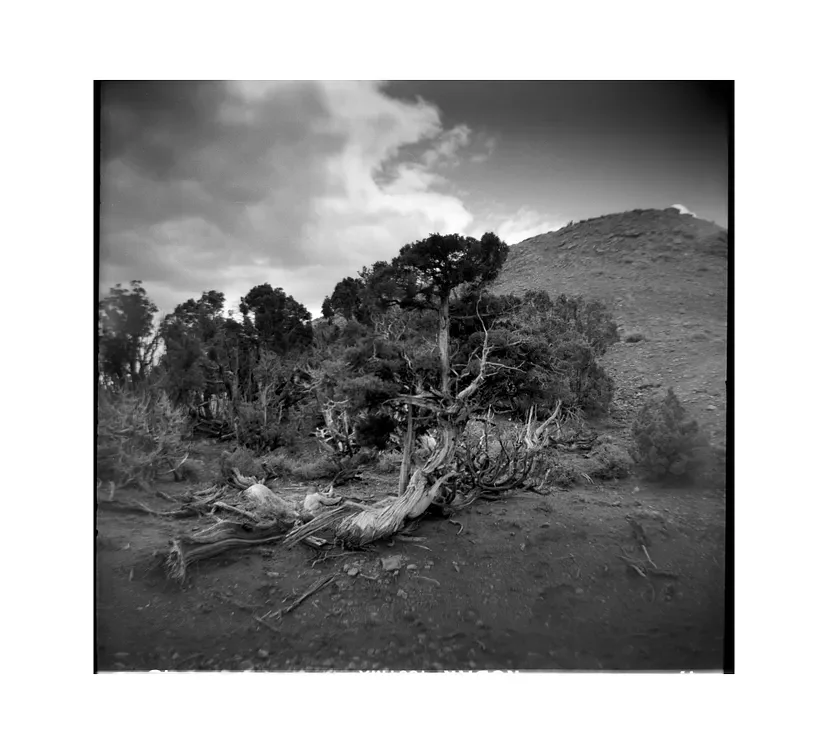
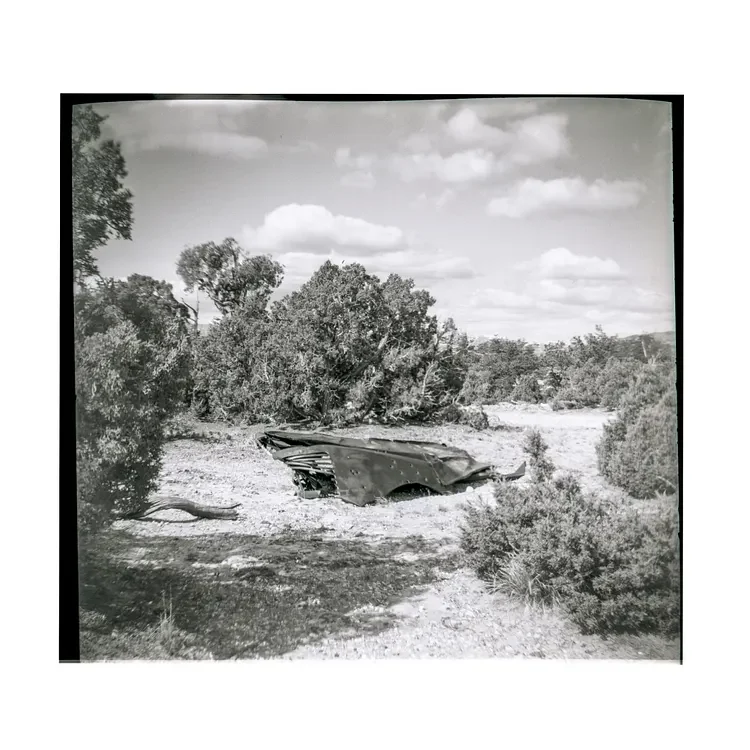
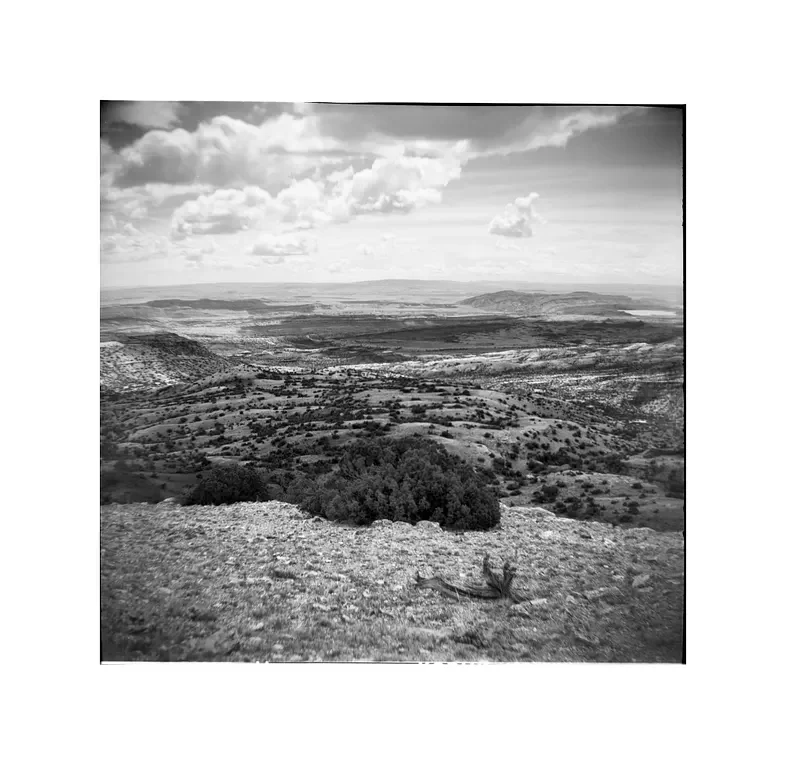
Plastic Sex: The Imperial Mark XII Flash So pathetically ugly that it’s beautiful. More operational quirks than a three-humped camel. A design seemingly drawn using fat crayons. The Imperial Mark XII Flash is a difficult camera to love, but not impossible. I would go further to say that any lamentations encountered during the use of this little beauty gradually fade into the aether of nostalgic intoxication.
It’s hard to milk a rhino but it makes some of the finest mac n’ cheese in the world. That line doesn’t make much sense but then again neither does the Imperial XII. It’s a camera that I shouldn’t enjoy using and yet, against all odds, it is one of my favorite walk-around shooters of all time. It’s a bitchy chunk of old Bakelite, sure — but it’s my bitchy chunk of old Bakelite and to be fair, on a good day, it’s still capable of producing some fantastic pictures. Those big 6x6 frames offer as much resolution as any sane person could hope to digest with a look as distinct as any medium format camera made before or since. It’s another one of those anomalous photographic tools that seems to split the schism between wonder and terror that is so stupidly simple to use that it verges on performance art.
The word seems to be somewhat “out” on the Imperial XII, however, and prices continue to rise. Good to great examples can be found on eBay from around $20-$40 and upwards of $60 for a “new in box” example that include the now more or less useless accompanying flash attachment.
I may regret doing this but I’m going to do it anyway. Should you be interested in picking up an Imperial Mark XII Flash but find the waters a bit too deep in terms of price then allow me to suggest an alternative: the Imperial Savoy Mark I. The Savoy Mark I is a slightly lesser known yet virtually identical camera to the Imperial XII.
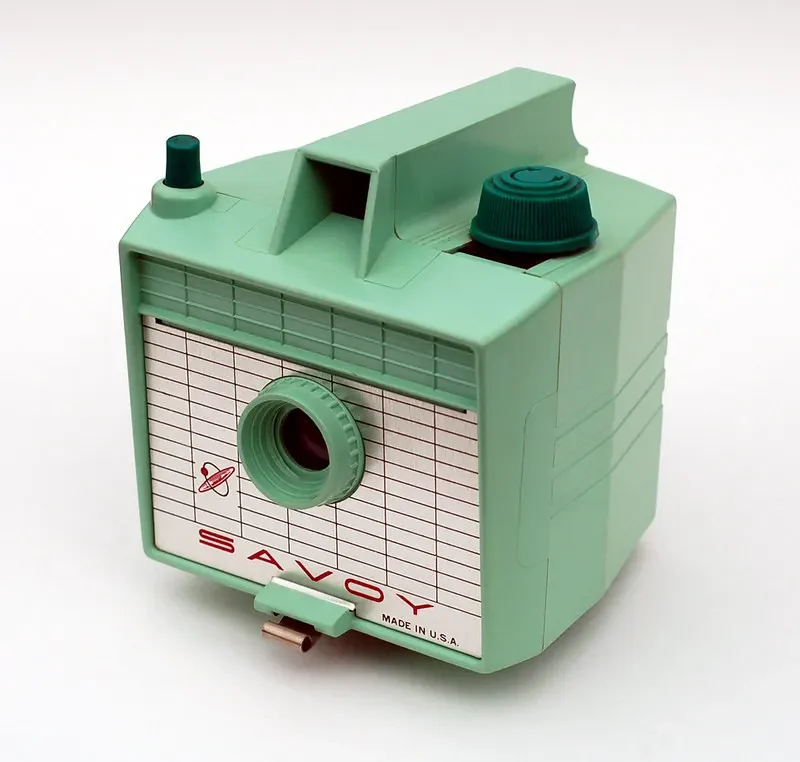
You can find an eBay search for the Savoy Mark I here. Between it and the Imperial XII you’ll likely be able to find a great deal if you’re patient.
Apologies to my fellow box camera enthusiasts for letting the cat out of the proverbial bag on the Savoy…don’t @ me.
All text and images copyright 2023 by Adam Welch unless otherwise indicated
Buying through these links helps keep this site running. As an Amazon Associate I earn from qualifying purchases.