Last Light, Socorro
Photographing and printing in the high desert country
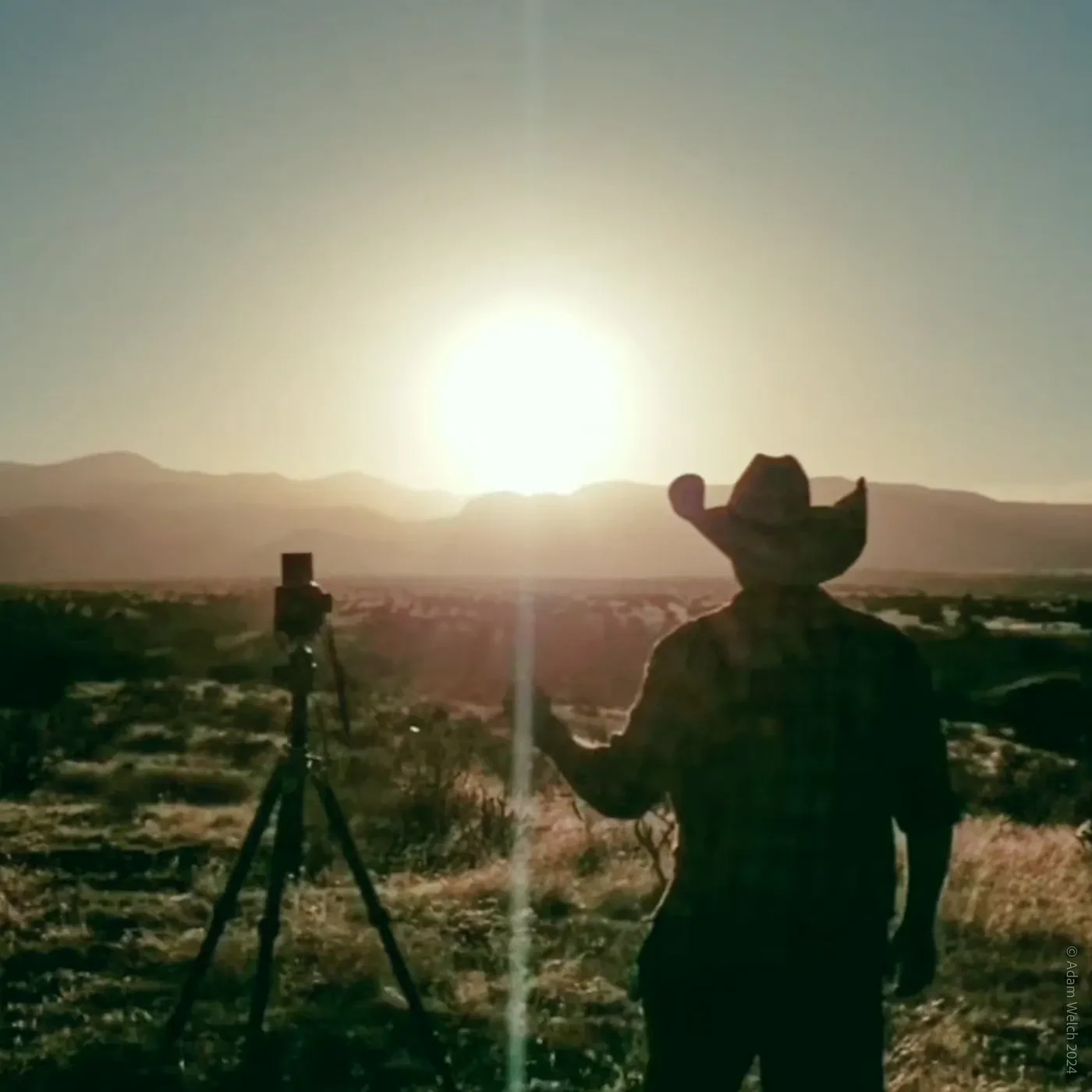
I had come to the high desert searching for one true circle.
The goal was deceptively simple: find a spot where I could set up the darkroom for about a week, photograph the landscape, and develop and print/scan them all on-site.
Even now the symmetry makes me feel all warm inside.
What was originally planned to be a week-long stent in the high desert country outside Socorro, New Mexico turned into three weeks of inexplicable magic.
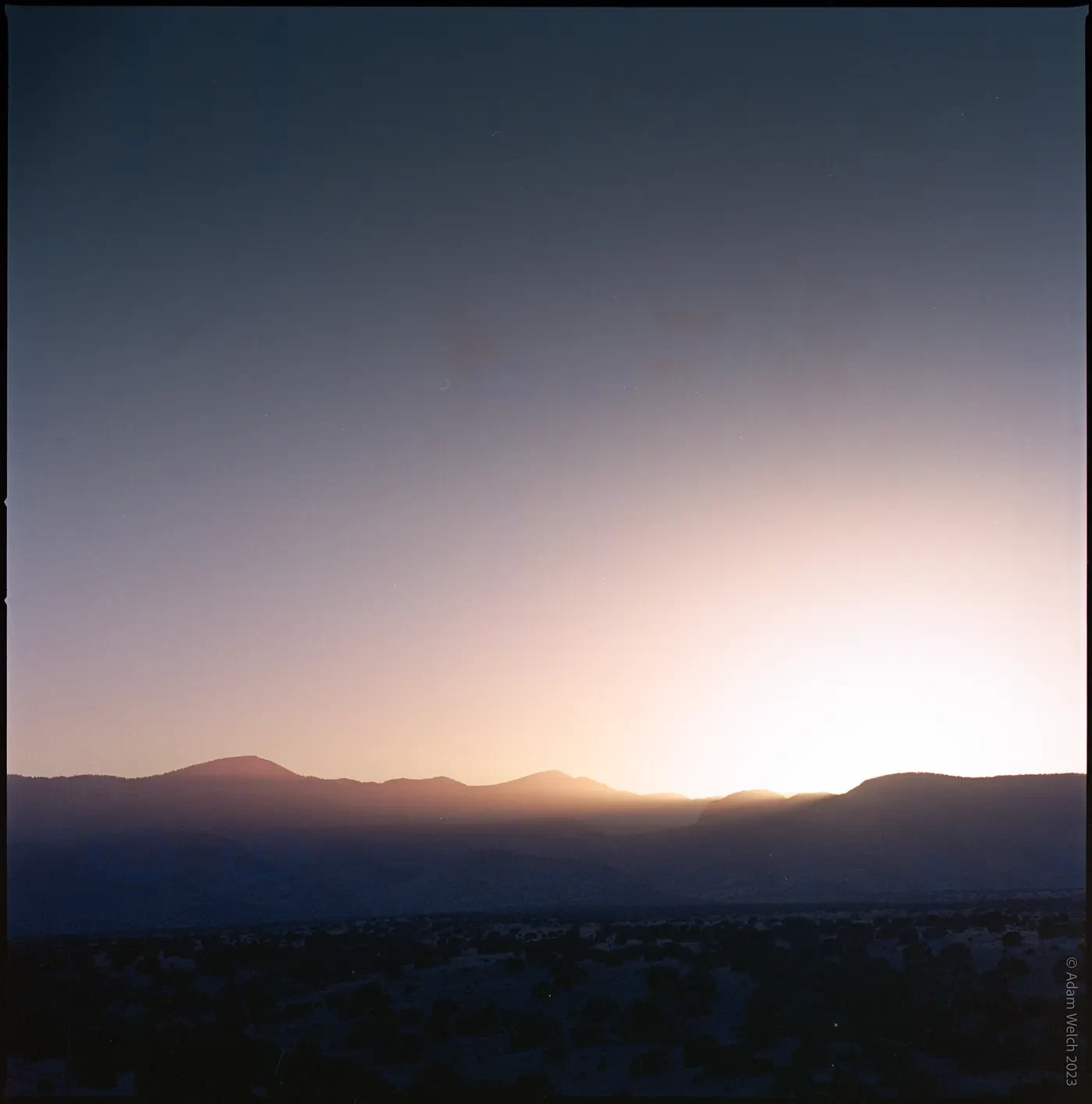
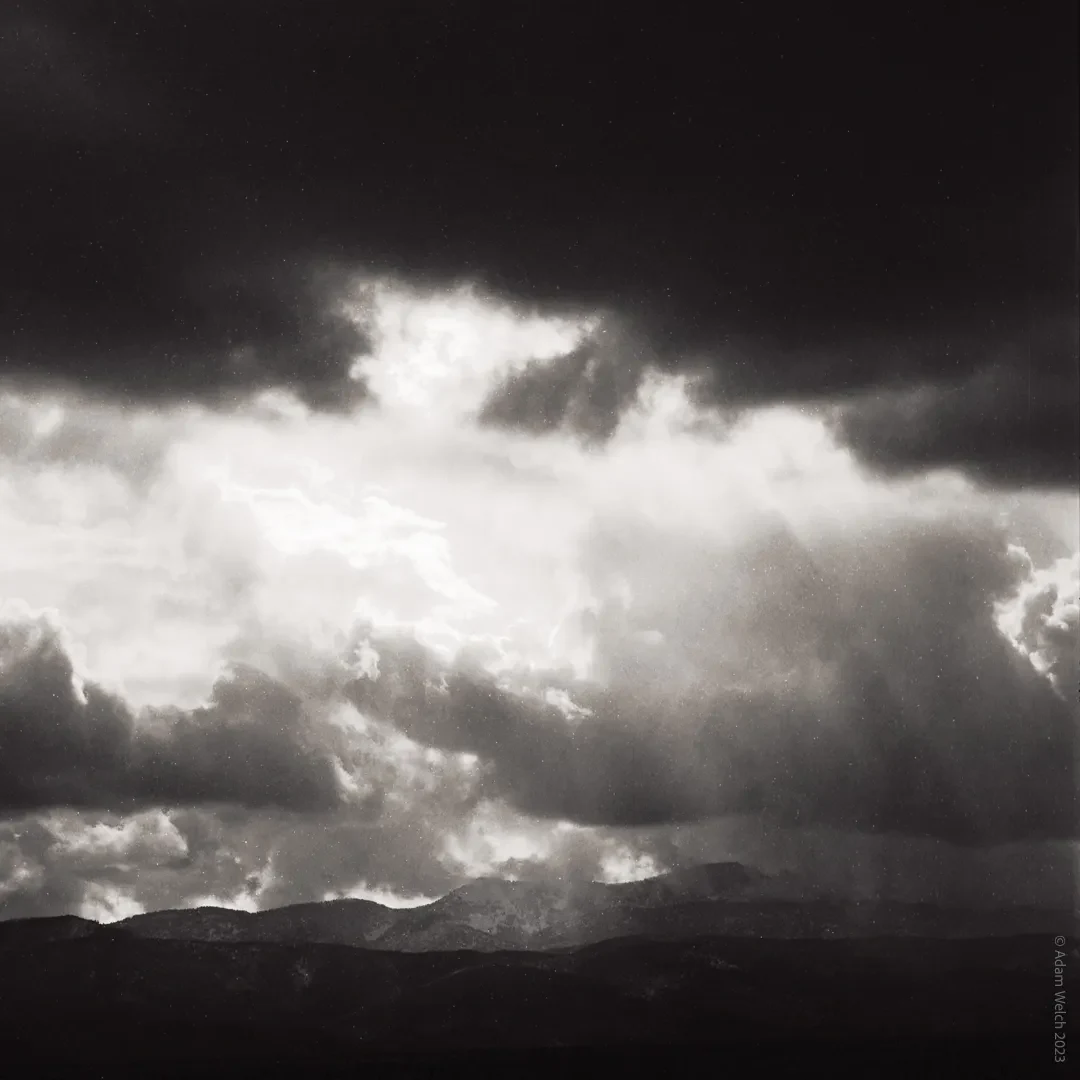
Despite the gail winds, impromptu snow storms, and the occasional discarded crack pipe, that early spring adventure running around those hills is one that I will never forget.
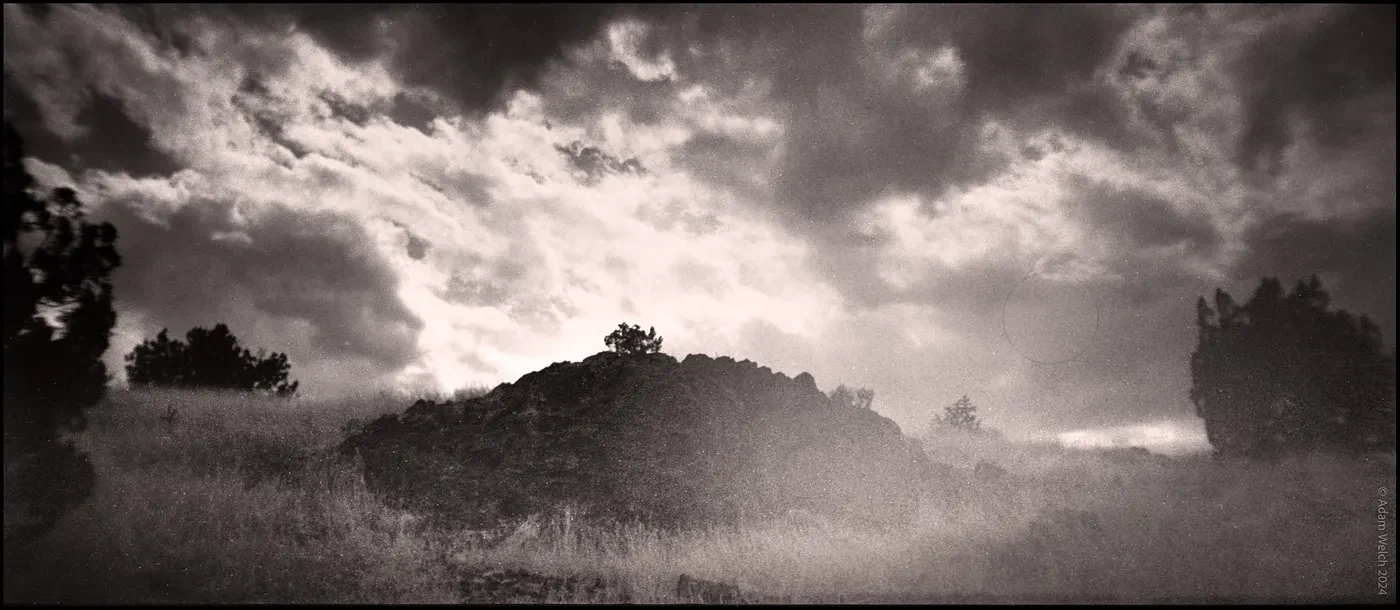
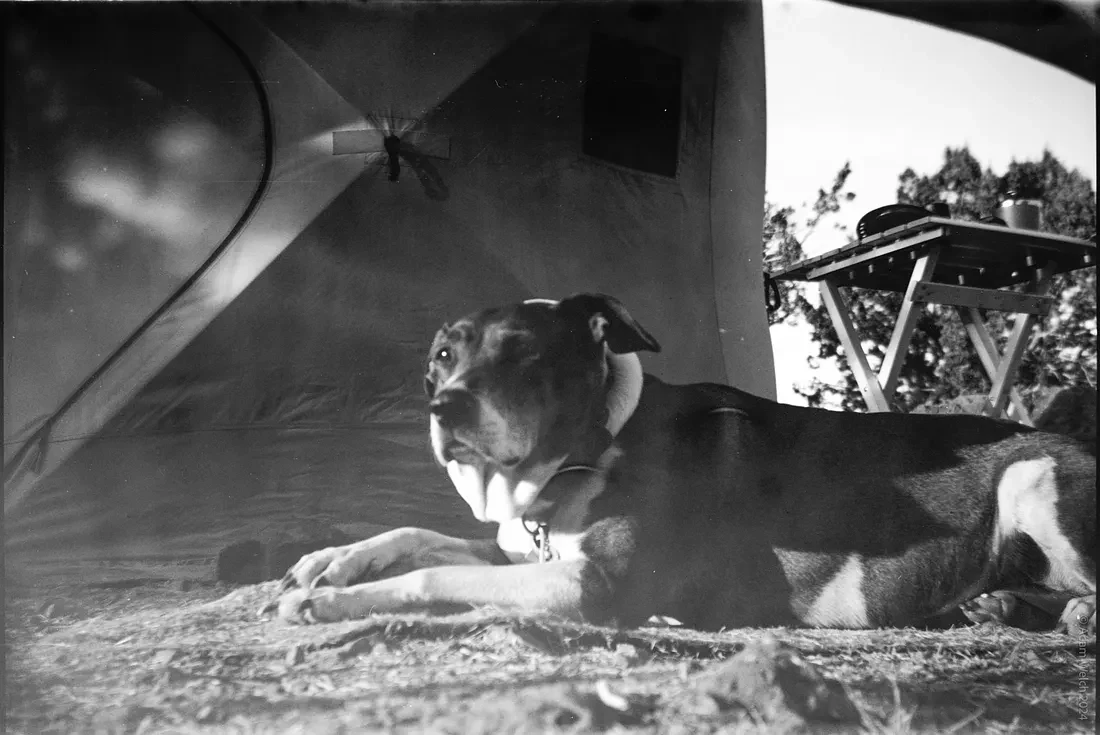
Leia and I jammed our camp into an outcropping of rust-red volcanic rock. These ragged stones and boulders are the leftover scabs from a time when this entire region was one big volcano.
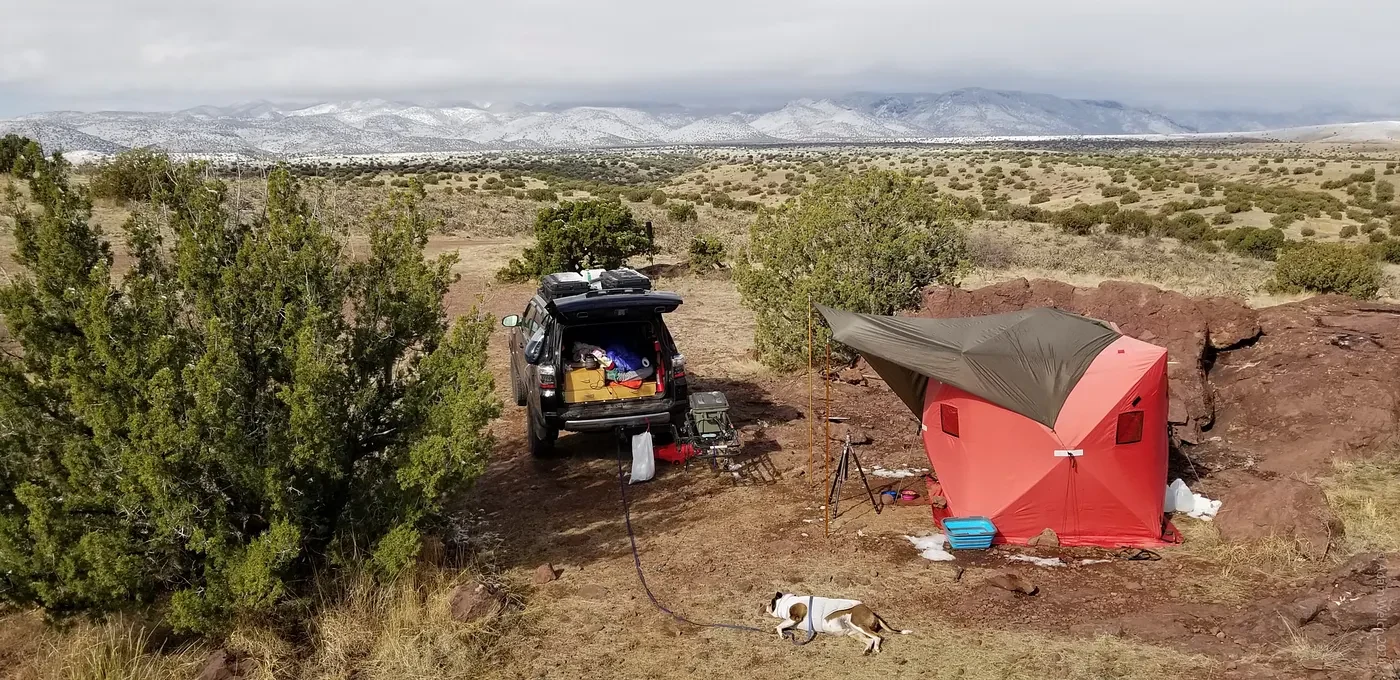
Most of the folks you’ll encounter out here are fellow nomads and dirtbag rock climbers. We’re all either running towards or away from something to one extent or another.
It came as a shock to the few people I did encounter when they learned I was just here to make pictures — lots of pictures — using various arcane photographic instruments.
The camera menu for Socorro reads as an eccentric photographic prix fixe:
Korona Pictorial View 8x10
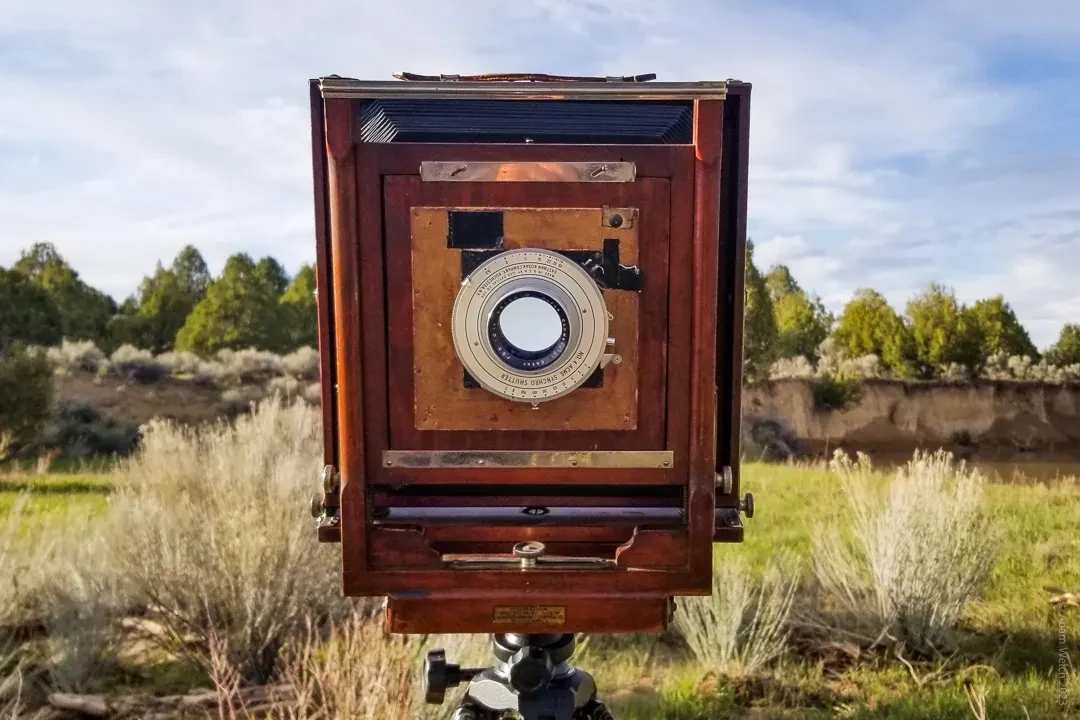
Winston is the most senior of my current cameras, aged around 90 years young. I actually found the Korona 8x10 at a local auction while visiting my hometown of Savannah, TN.
I completely restored the Korona while adding a few custom modifications to facilitate easier travel. This camera carries a marrow-deep sentimentality for me. I’ll never sell it.
The Korona 8x10 is semi-retired as I now carry my ultra-large format 11x14 Ritter. The story of how I found Winston and his subsequent resurrection is documented in this YouTube episode.
Hasselblad 500 C/M 6x6
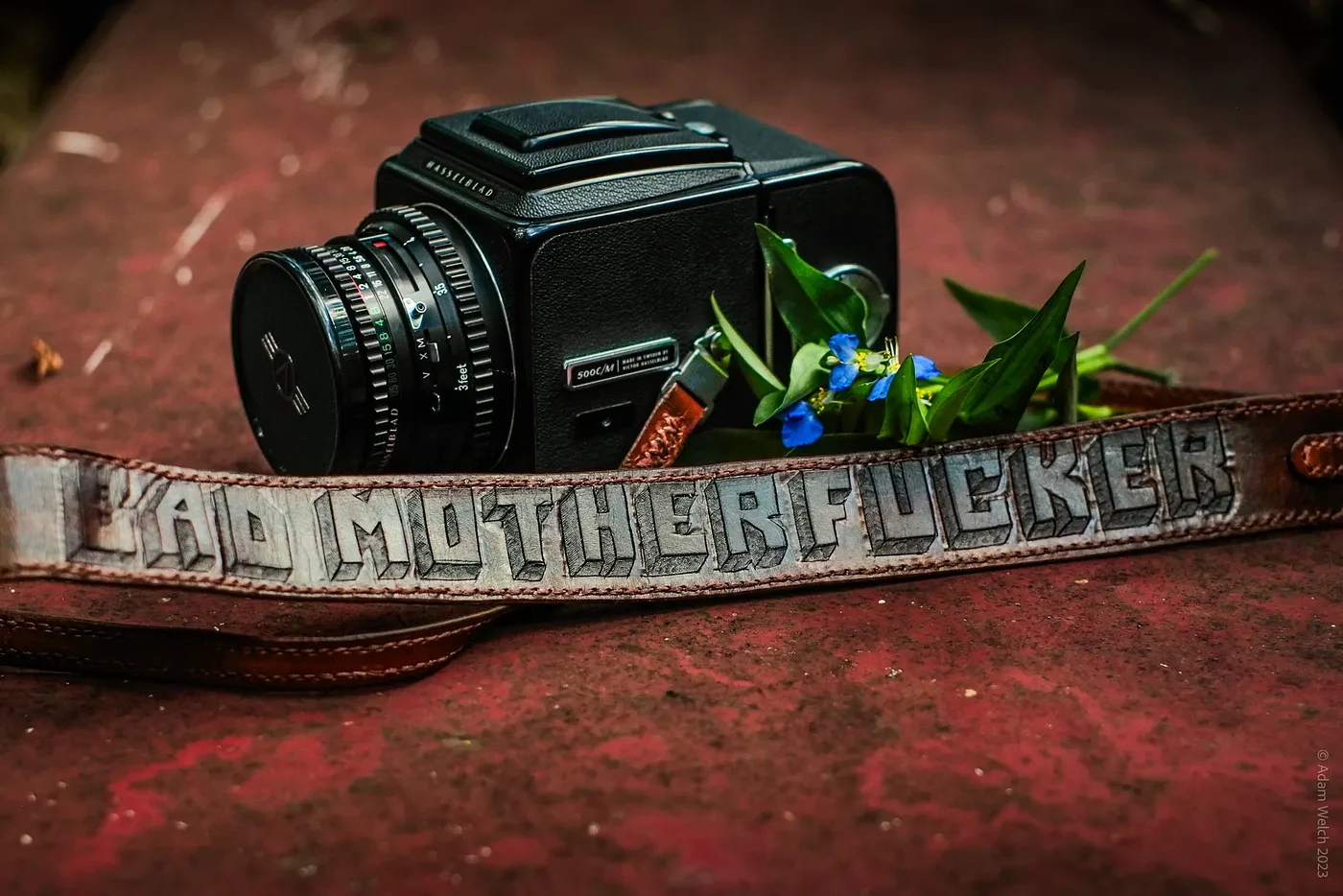
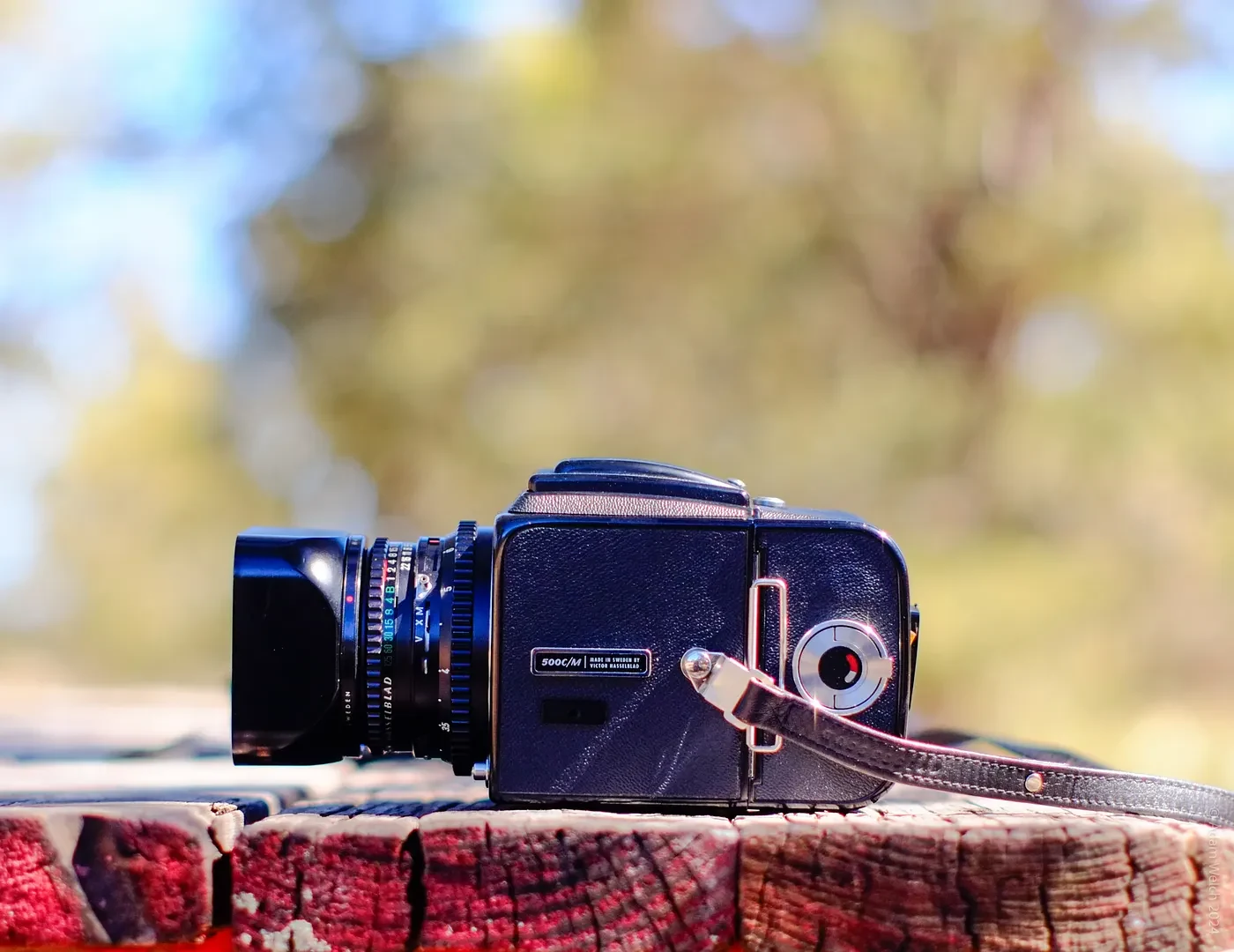
Ah, Alice, you minx.
From Sweden with love. My beautiful muse. The legendary jewel in my otherwise unassuming bag of photographic destruction.
For many, the Hasselblad 500 C/M needs little introduction. It is arguably the pinnacle of medium format film cameras. Fully mechanical, with no batteries. Built with precision, it makes the space shuttle look like a bottle rocket.
I love Alice, and she loves me.
Kodak Brownie Six-20 Flash 6x9
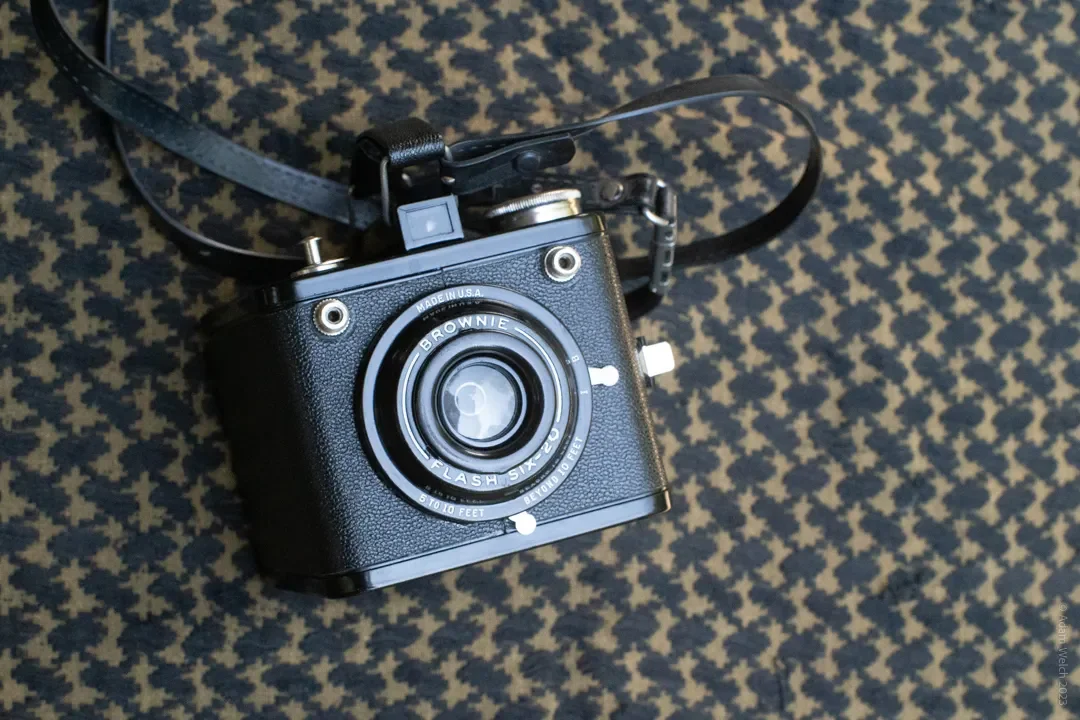
The Kodak Brownie Six-20 Flash will destroy the world one day. Seriously, I’ve written all about it in this aptly named review.
Made around 1958, the Six-20 Flash is a deceptively capable medium format box camera. It’s quirky, with only two shutter speeds and two focusing options.
The simplicity is refreshing.
This is technically a 620-format camera. It requires me to re-spool modern 120 film onto original 620 format film spools. Because of course, it does.
Along with my equally lovable Imperial Mark XII Flash (which I’ve also written about), the Six-20 remains one of my favorite “toy” cameras.
Fun Fact: It is believed either this or its close cousin, the Kodak Six-16 Brownie Special, is the earliest documented camera owned by Stanley Kubrick.
Holga 120Pan 6x12 Panoramic
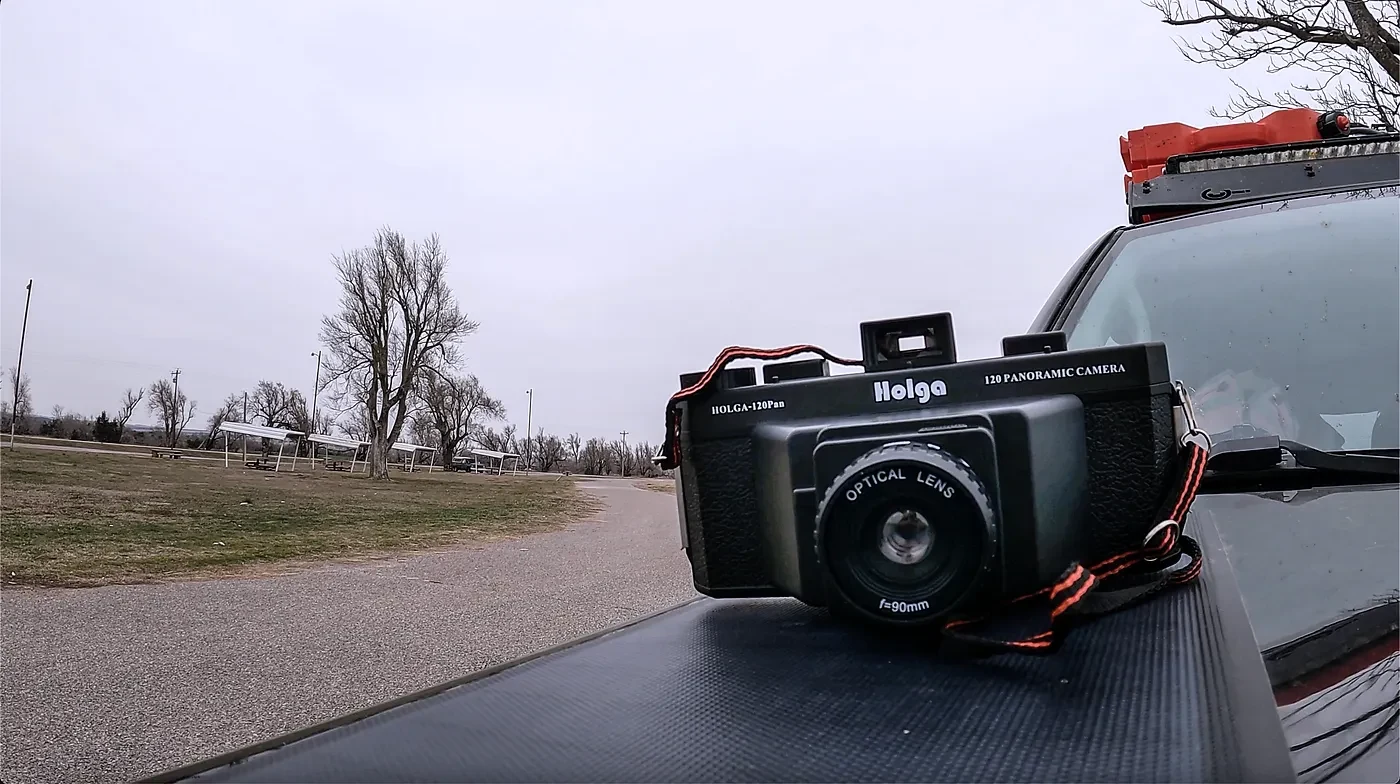
Love them or hate them, Holga cameras are an anomaly within the modern photographic world. Made from all plastic. Cheap (relatively). Virtually weightless. The images produced are so bad they’re good. It’s all part of the Holga charm.
Olga is a panoramic camera. It captures a wide 6x12 frame which is exactly double the width of the 6x6 format produced by the A12 film back of the Hasselblad 500 C/M.
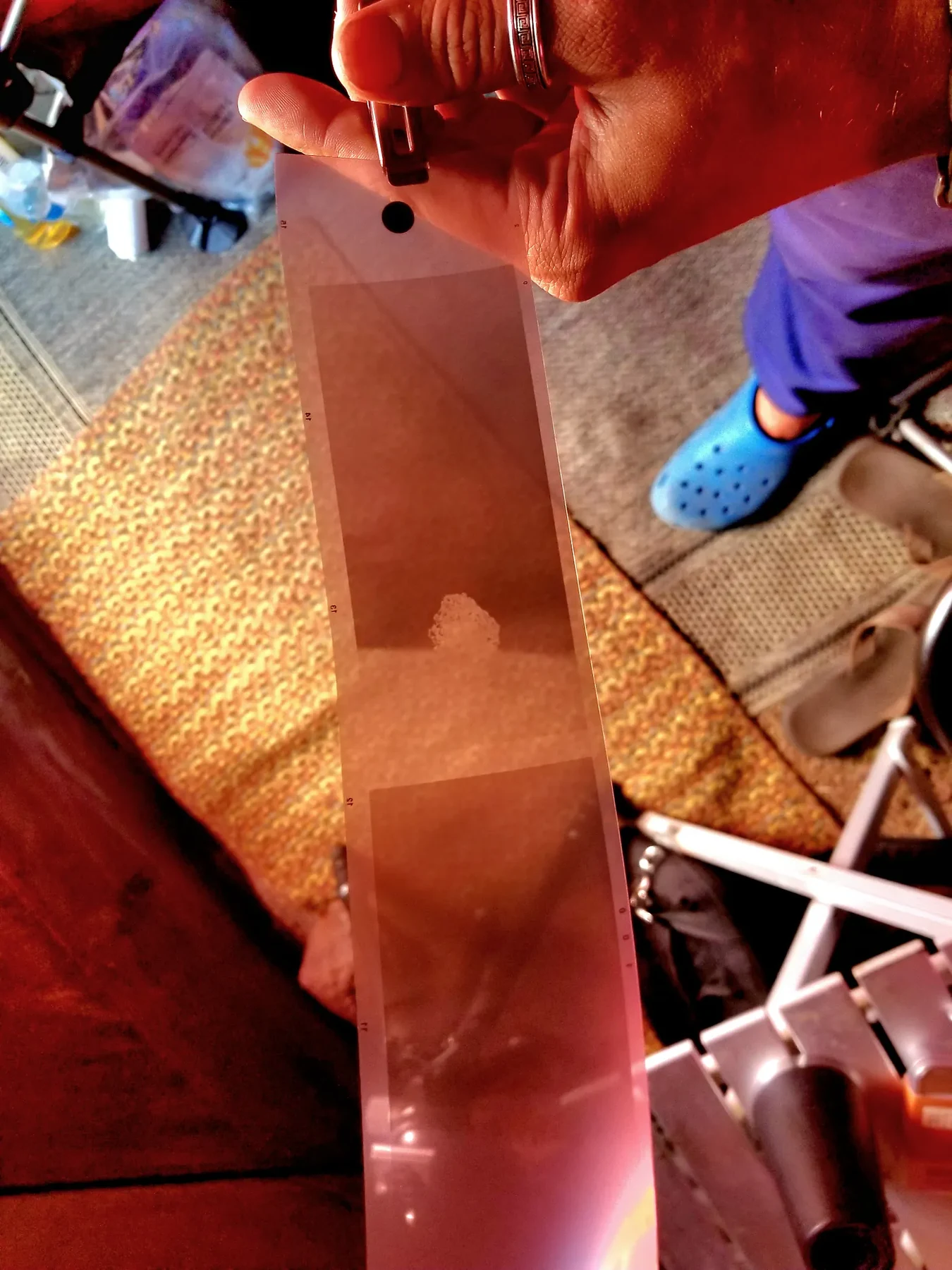
Since using the Holga in Socorro, I have completed rather massive upgrades/modifications. It is now considered a completely one-kind “Super Holga.”
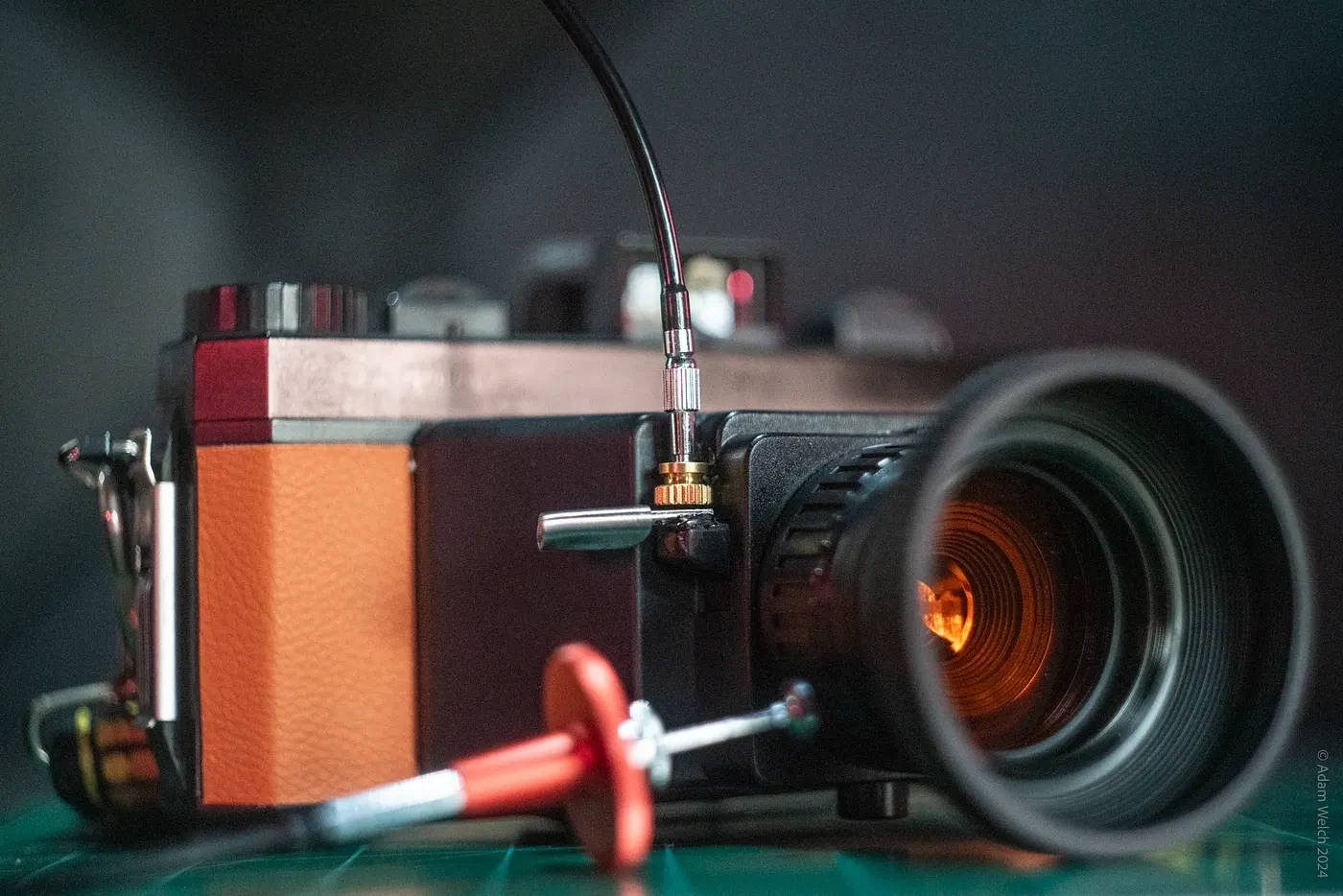
Naturally, I also would shoot a bit of digital with the Fujifilm X-Pro 1 and Sony A7R MK III — but we’ll attempt to keep things more interesting by focusing (haha) on the film work.
Film stocks ranged from 120/620 (medium format) color and black and white negative, as well as 8x10 (large format) green-sensitive (orthochromatic) radiographic film.
All black and white film was developed onsite within “The Hive’’, a portable darkroom, bar, and writing salon, using my own formulas from a self-made coffee developer known as “Caffenol.”
The color C-41 negative films (Kodak Ektar 100 & Portra 160/400) would be developed roughly one week later at a KOA Campground in Bernalillo, New Mexico. That’s not information directly needed for this story, but I’m nothing if not thorough.
For the especially interested parties, specific film stocks are listed in the captions of each image.
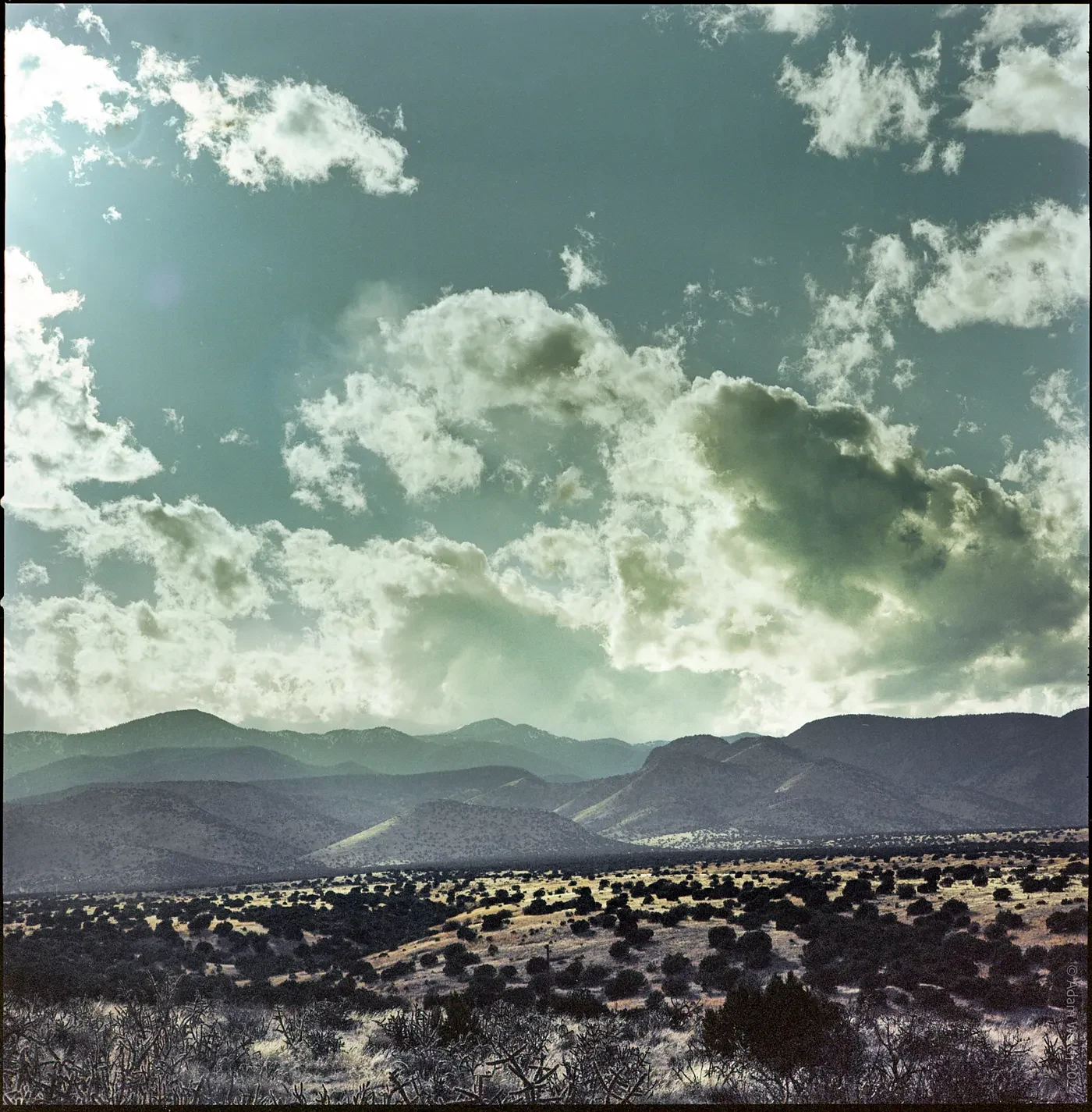
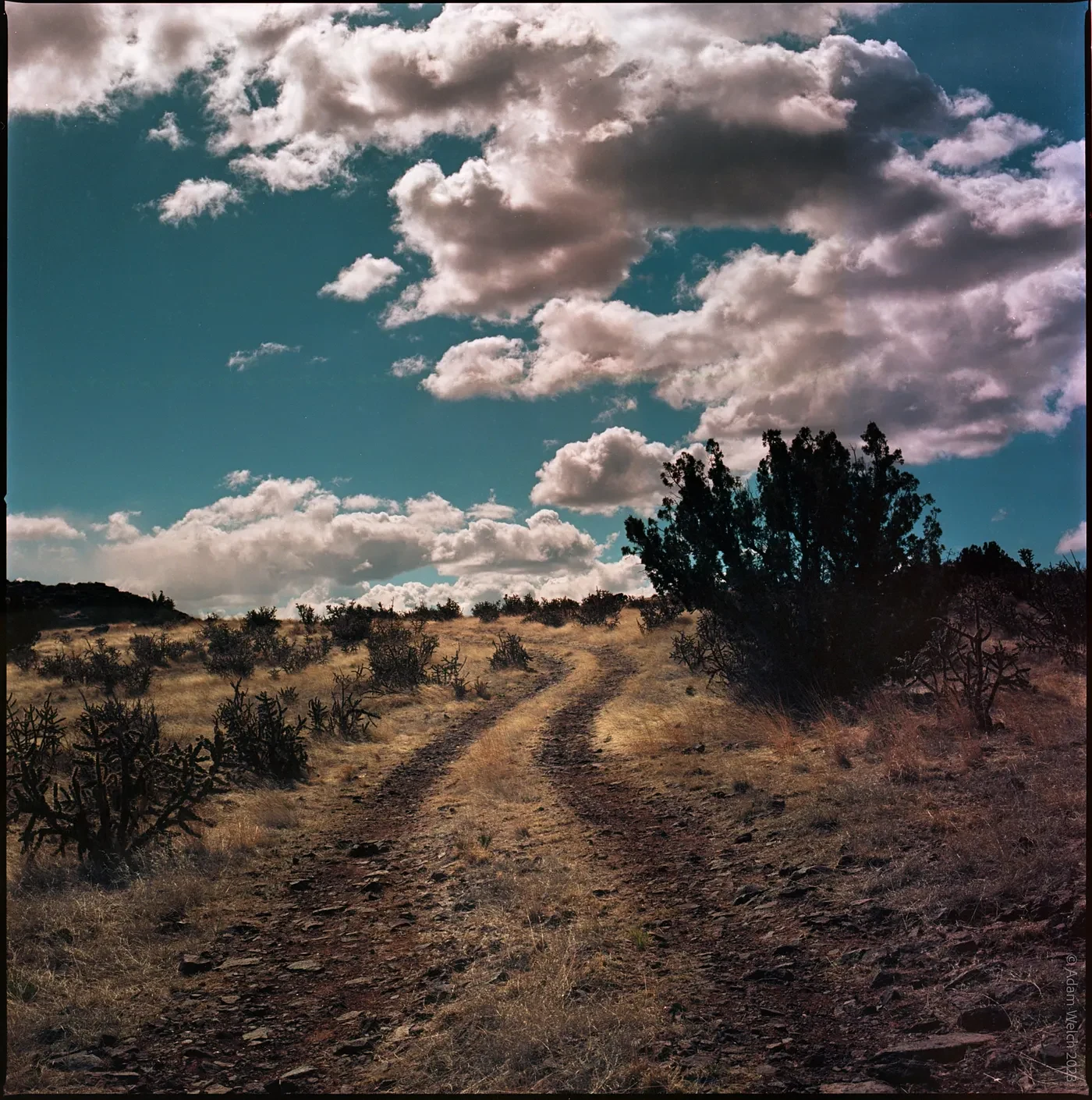
Over 22 days I would take my photographs. The landscape vibrated with light no matter the time of day.
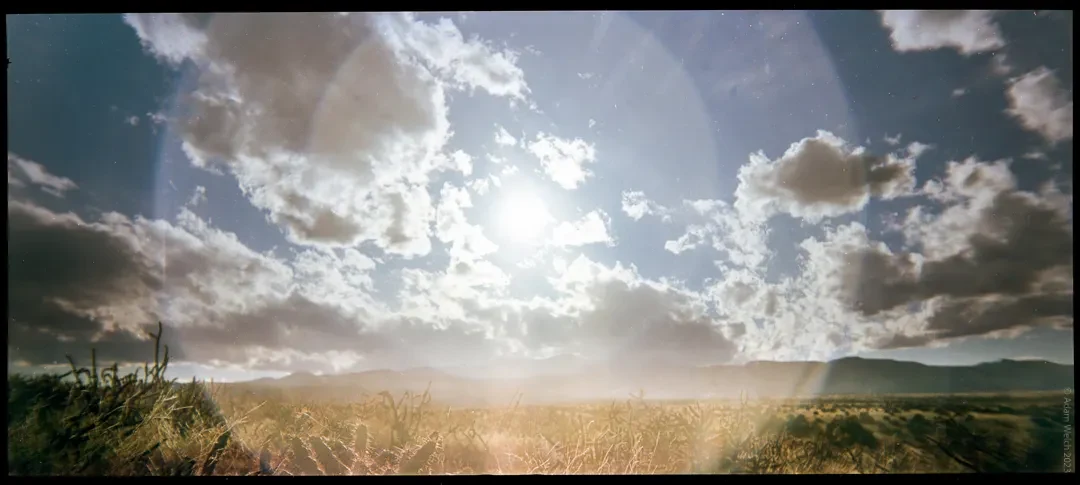
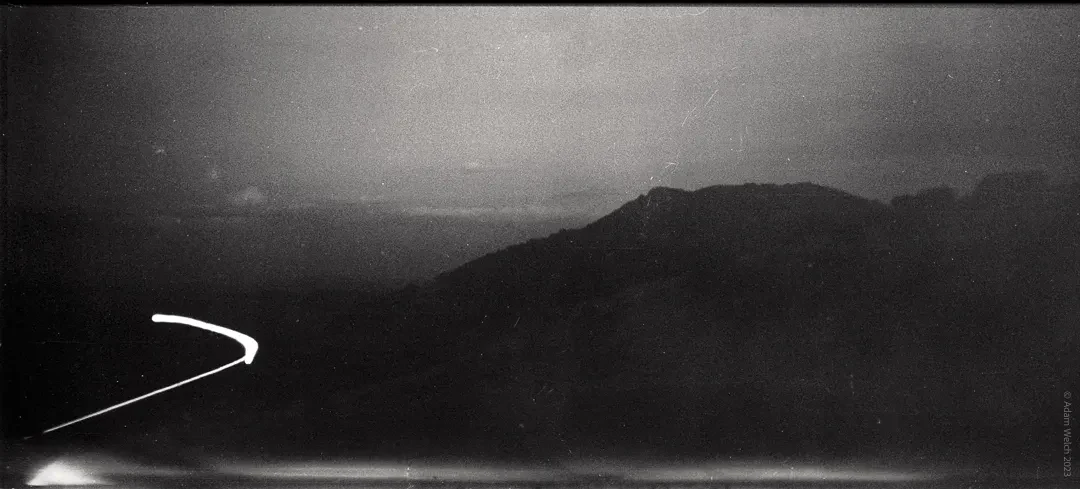
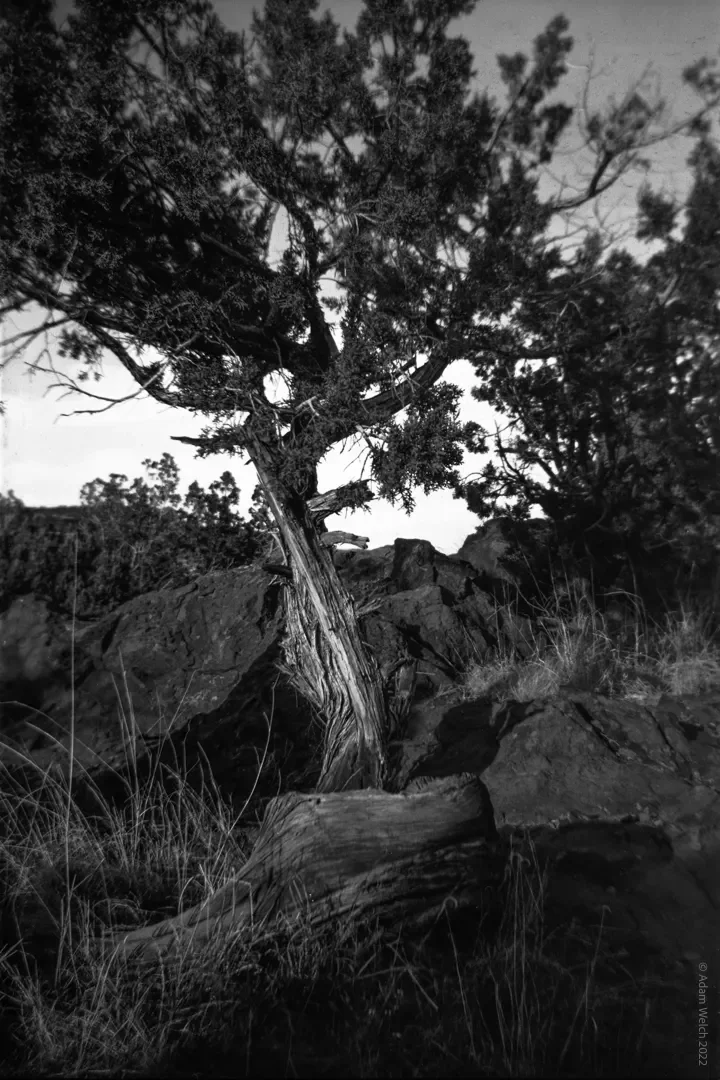
The near-constant roar of the wind was somewhat unexpected. My education on the savagery of New Mexico gails had begun years ago during some of my first excursions west. However, my true baptism hadn’t taken place until the previous November in the Organ Mountains overlooking Las Cruces.
I had assumed those incredible early winter gusts were a passing sign of the seasons, a gross miscalculation on my part. Little did I know the wind never truly left this part of New Mexico.
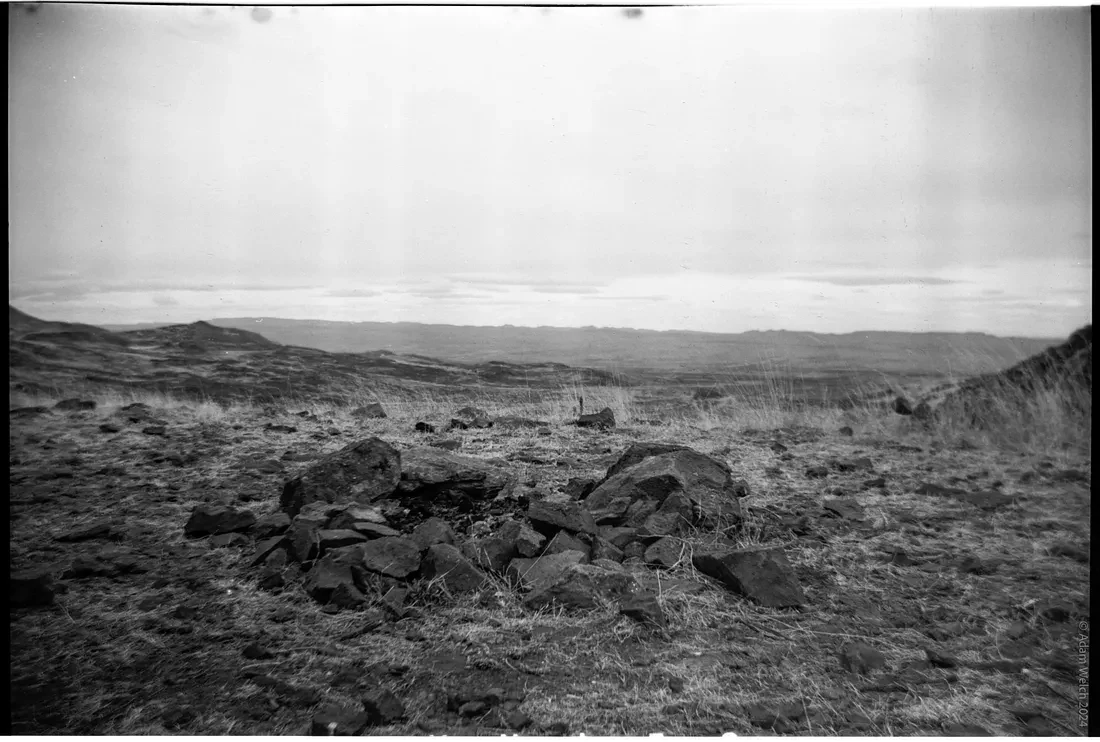
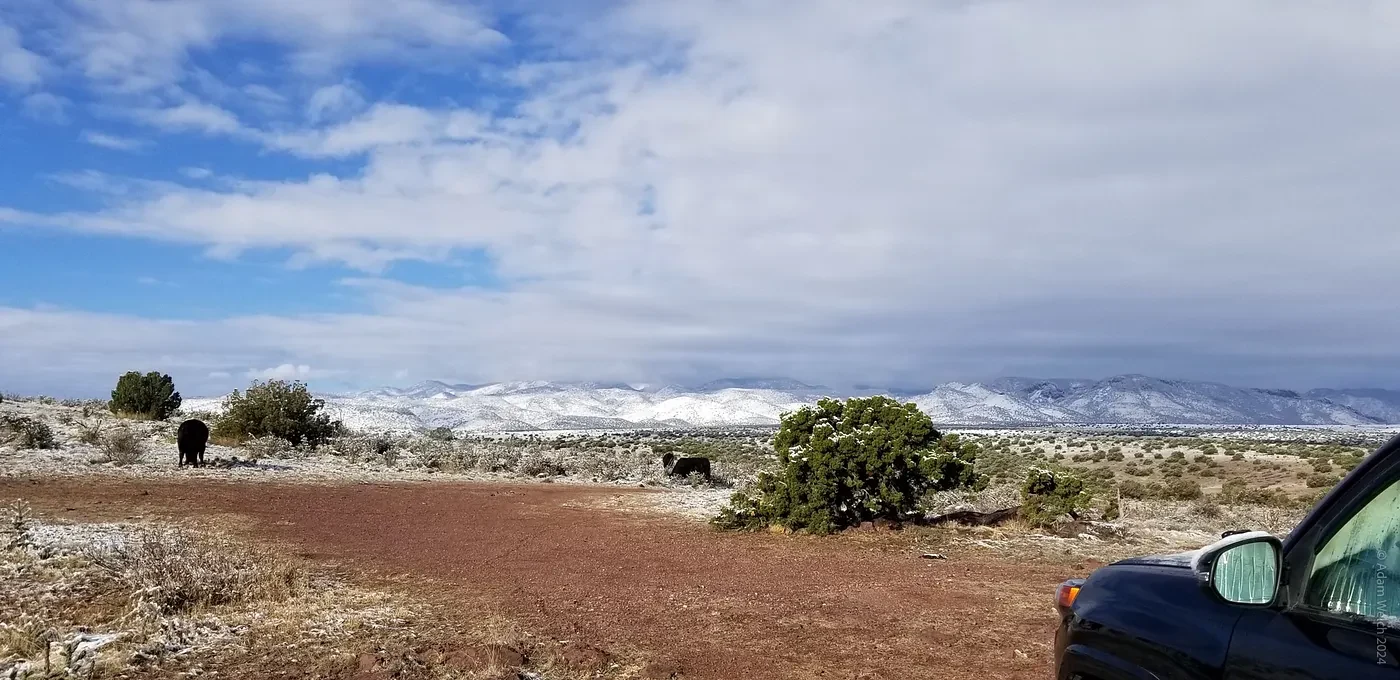
Towards the end of the first week, a late spring snowstorm rolled in from the west, painting the face of the Magdalena Mountains in a blanket of pure white.
The snow collapsed The Hive, which is especially difficult to do. I’m still not sure exactly how it happened, but it happened all the same. There didn’t appear to be an overload of snow on the roof. Perhaps a solid down-draft during the night helped it along.
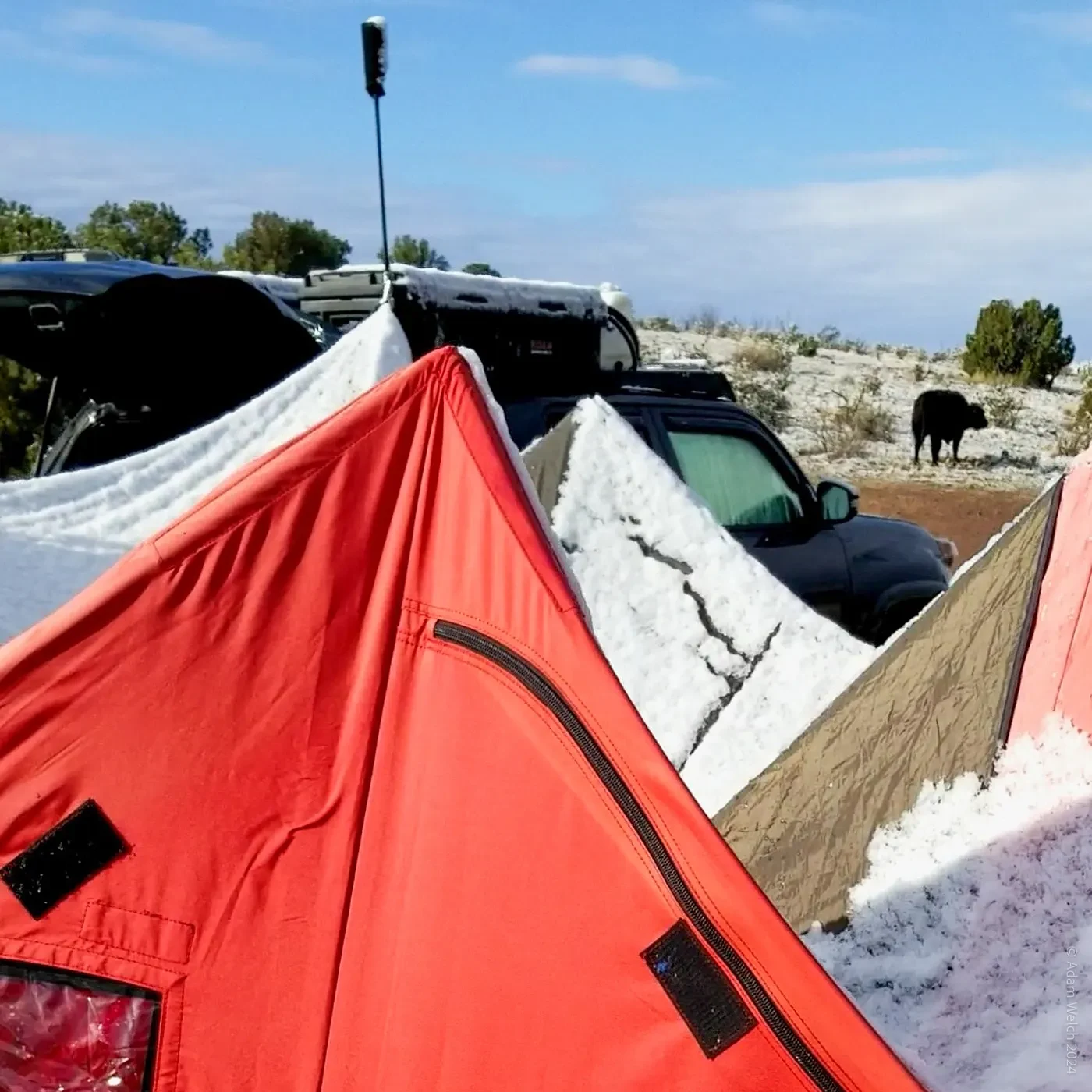
The entirety of the valley is home to a herd of free-range cattle. I’ll admit that even though I’ve lived with and around animals for the majority of my life, this was one of the few occasions I felt my presence was truly not welcome.
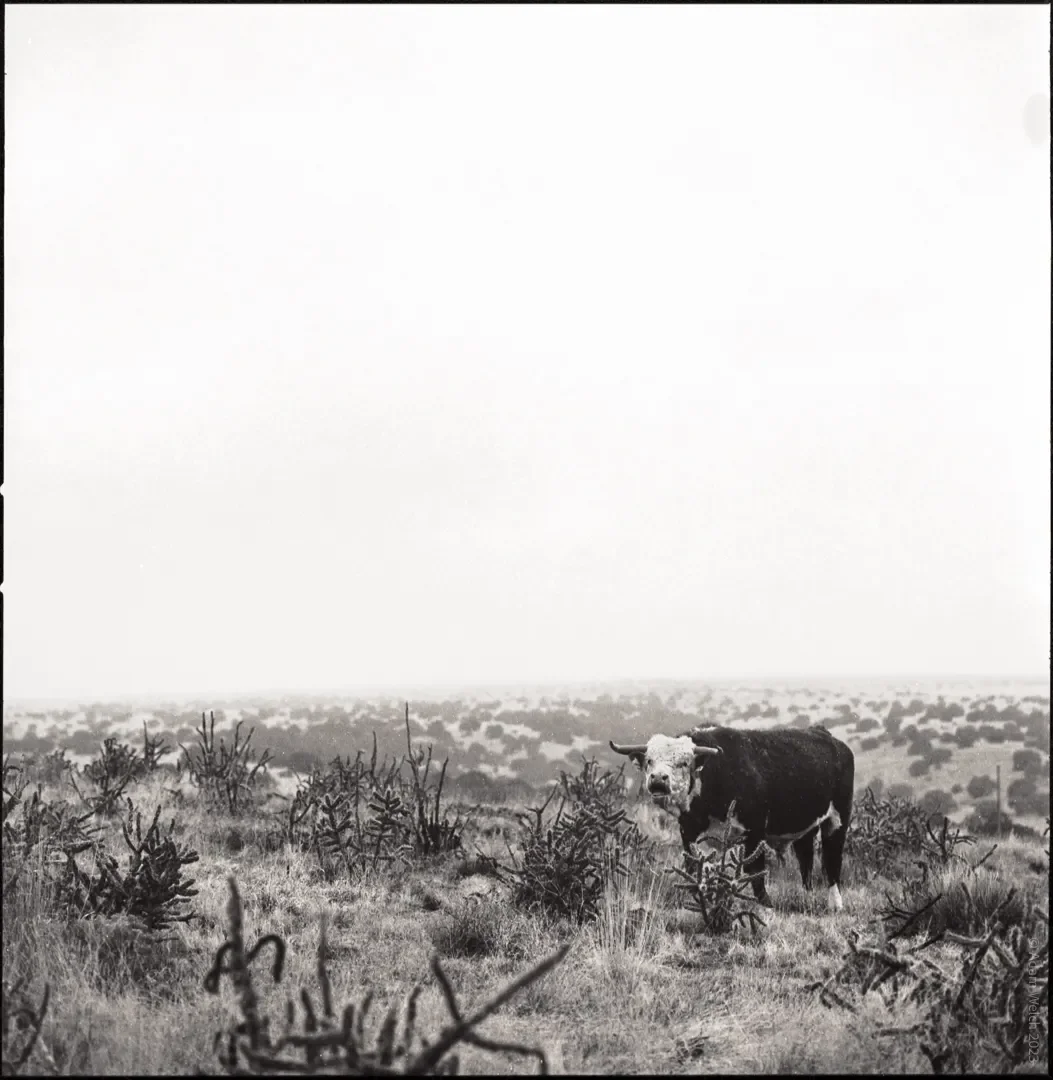
Though not initially hostile, the majority of the cattle seemed to present an attitude of progressively malignant antagonism. Now that I think about it, the collapse of the Hive was HIGHLY suspicious. The result of overt sabotage? Impossible to say.
A brooding sense of growing animosity was palpable. Constant late-night moo sessions began taking their toll on my psyche. Each morning I observed concentric “figure 8” grazing patterns tightening around our camp — a sure sign of the herd’s nefarious intentions.
I was indeed an unwelcome pilgrim.
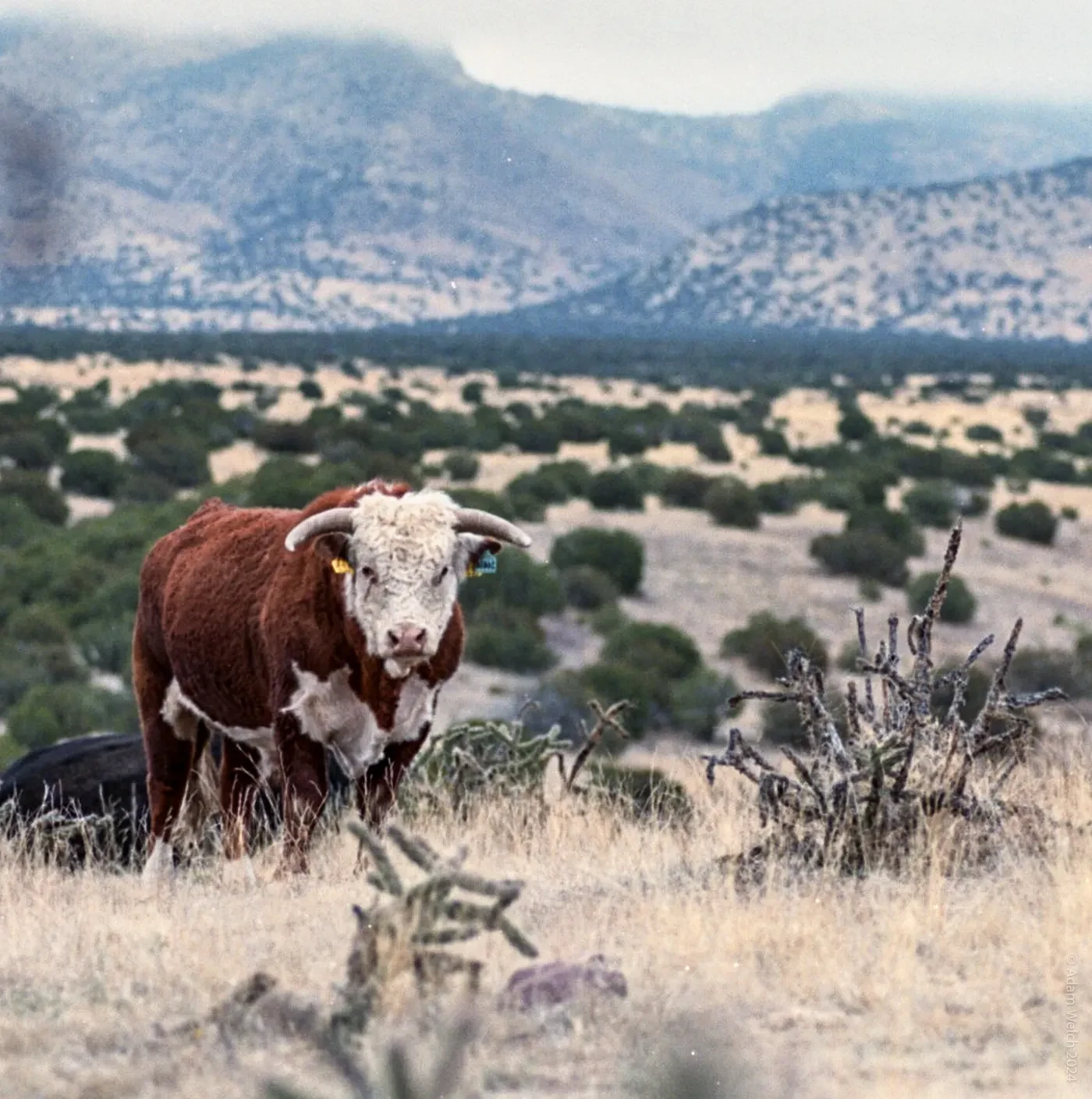
The situation reached the point where I found myself actively attempting to win the affection of the herd. Meals were adjusted to exclude any beef. Cereal consumed dry.
I constructed miniature Yei stick figures as offerings signaling my benevolent intentions and respect. All attempts to ingratiate myself proved fruitless.
My dreams turned to fevered nightmares. Each night’s meager sleep was haunted by the visage of a great two-headed bull, eyes black as death’s wings, horns wreathed in flames like some great bovine Balrog.
Each head of the bull would bellow out hideous incantations in a tongue that I could never…
…wait. Where was I?
Ah, that’s right, the Korona.
At the time, I had not yet commissioned my 11x14 ultra-large format camera to be built. This meant that my largest format camera was the 8x10 Korona Pictorial View, otherwise known as “Winston.”
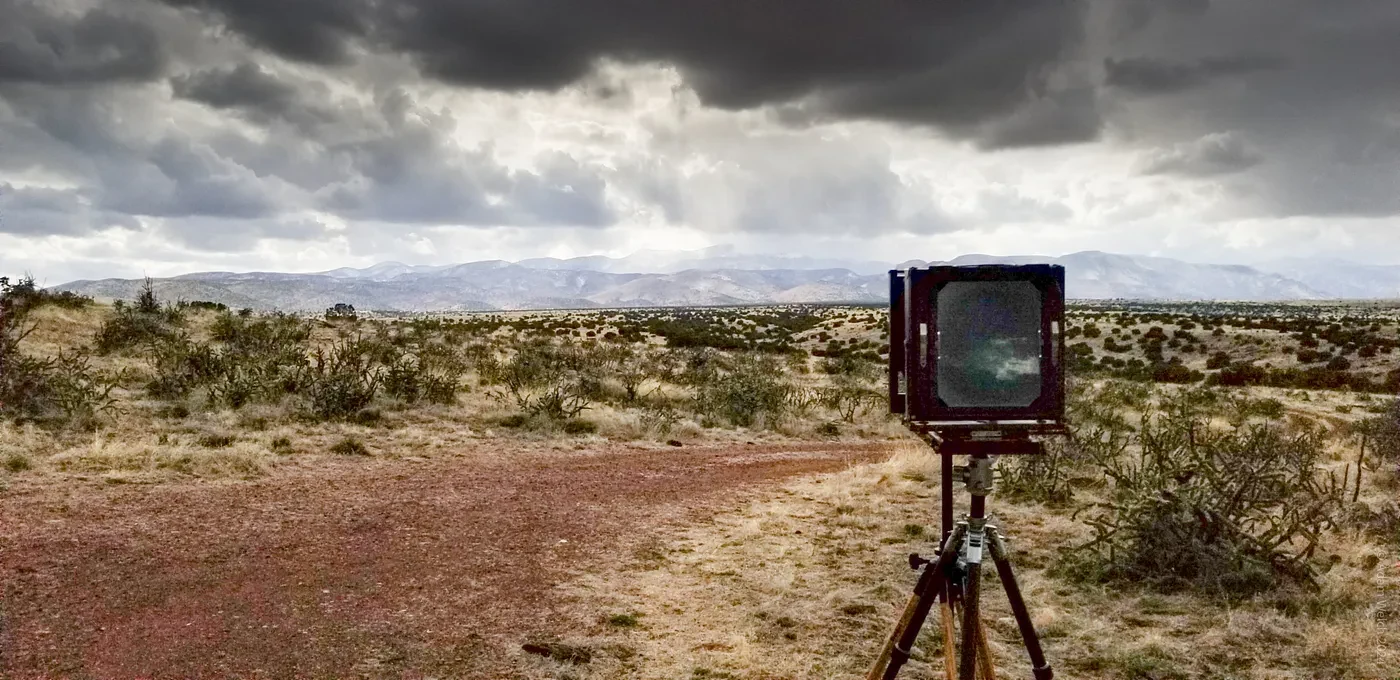
While I regret not having the larger, more nimble 11x14 camera with me, those big 8x10 negatives still carry an energy from the landscape that remains difficult to match.
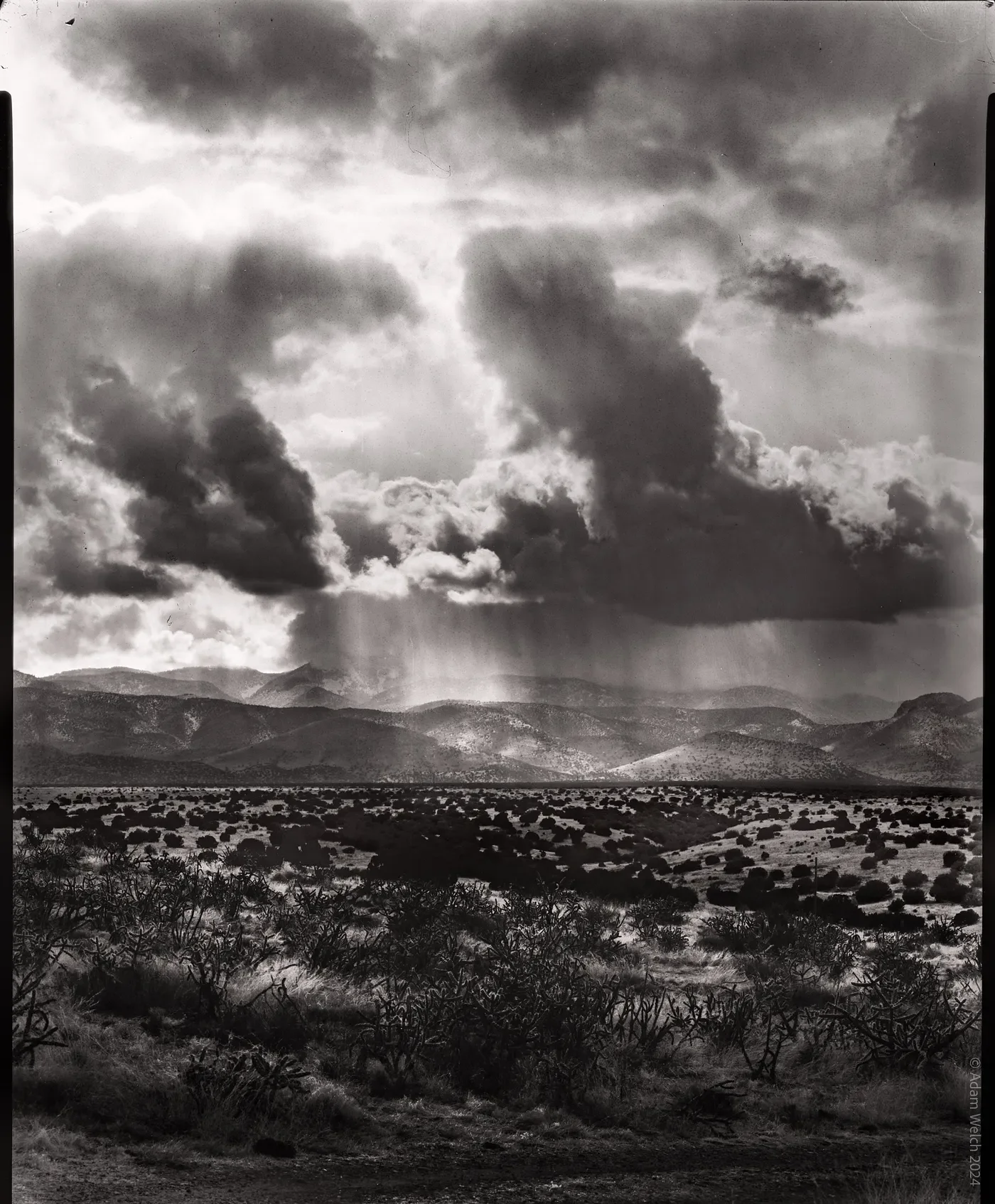
The true aim of the time spent in Socorro was of course to make an extremely limited series of one-kind cyanotype prints. These prints would carry the very essence of the landscape itself, quite literally.
I wanted to produce a body of prints which, by their inherent qualities, might be considered living examples of true photographic art.
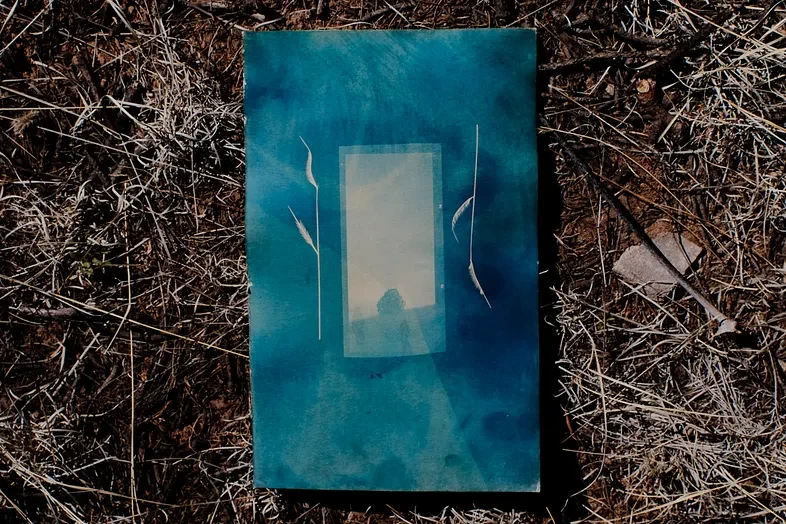
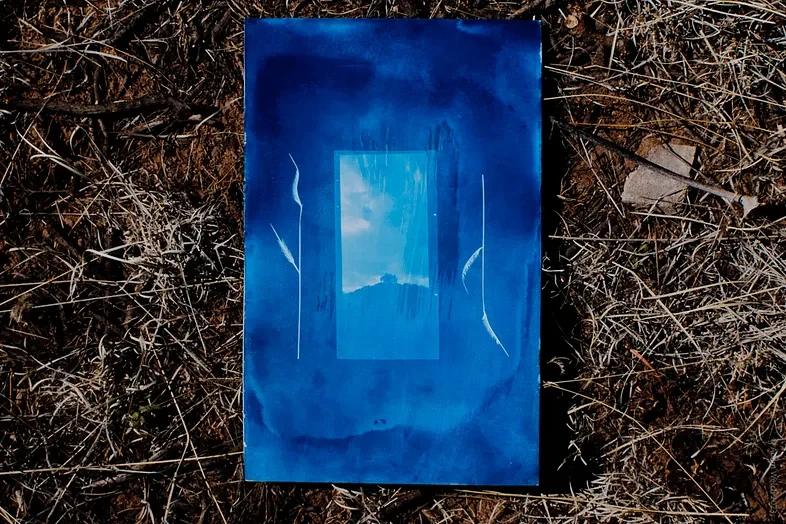
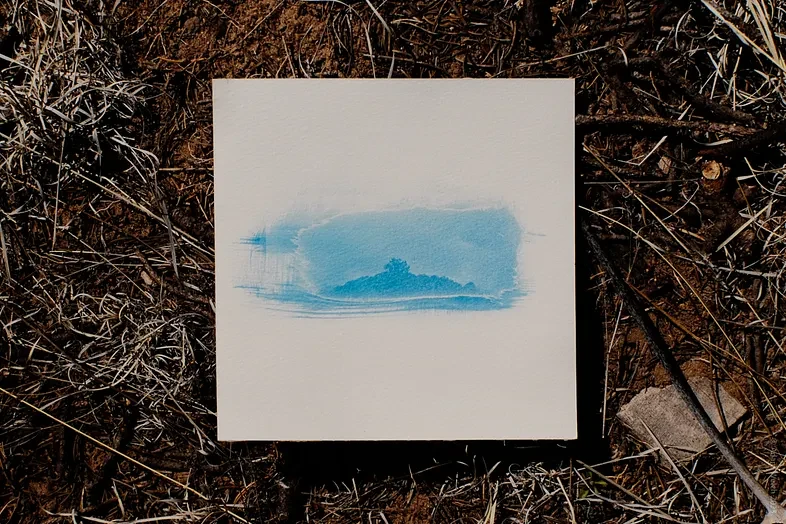
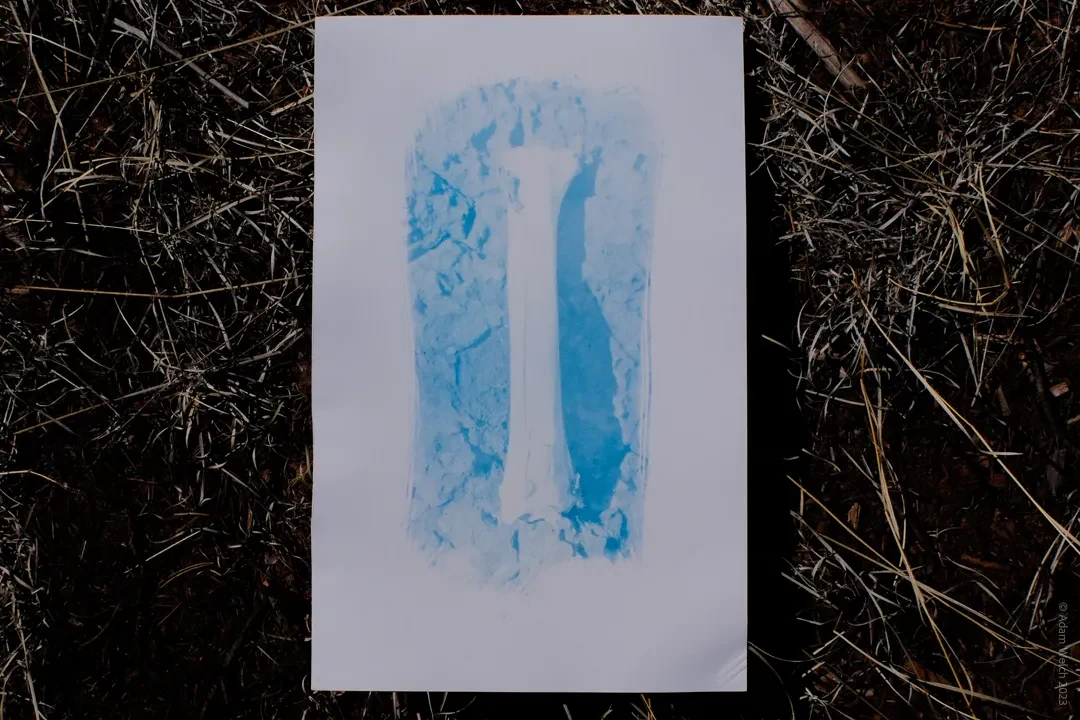
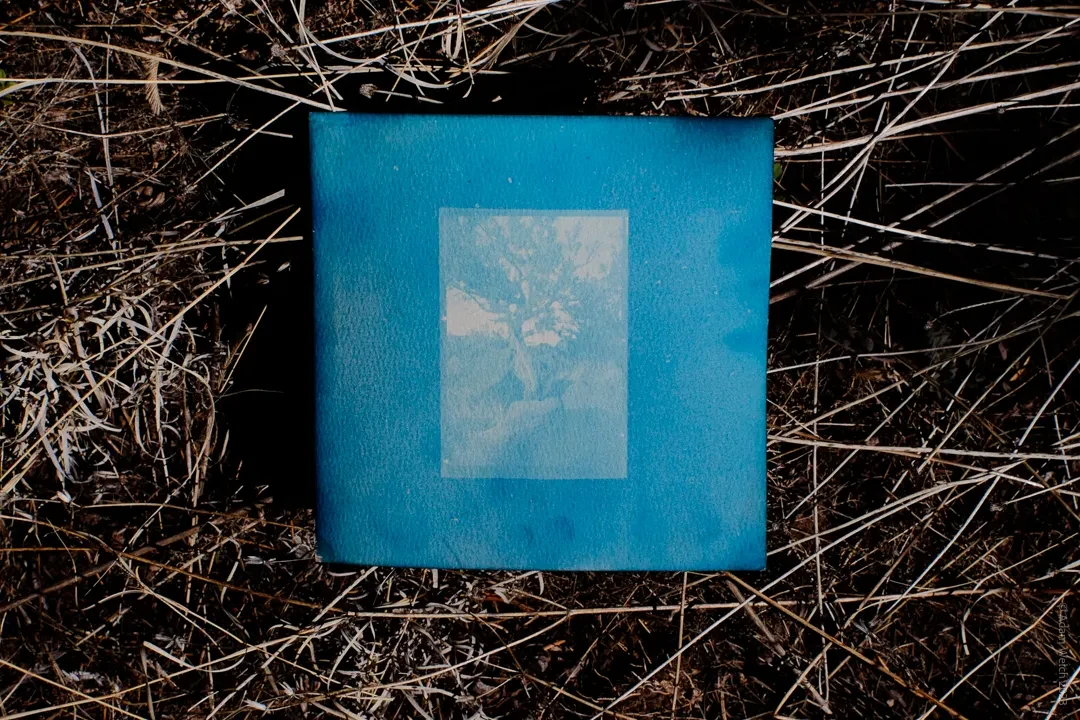
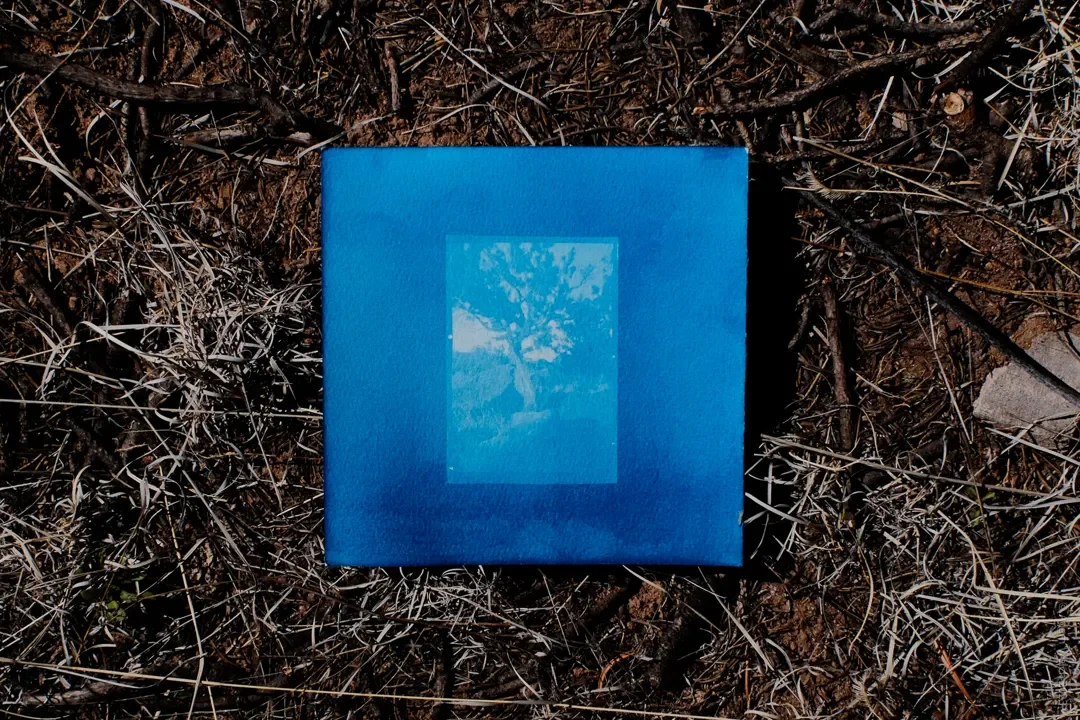
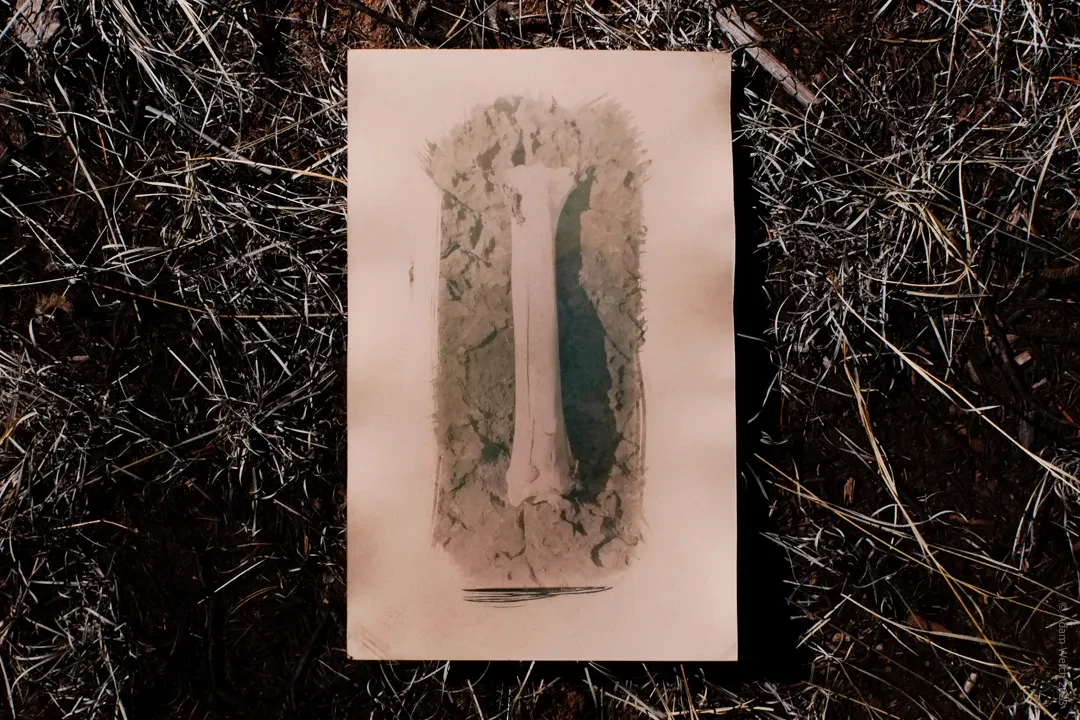
In truth, the details of printing what would become known as “The Socorro Prints” could take up an entire story. Just know they were made to a degree of unrivaled purity using nothing but John Herschel’s original 1842 cyanotype formulae.
All paper was coated by hand and exposed under the pure New Mexico sunlight using the very negatives I captured and developed on-site.
I collected snow which was added to the final rinsing bath for the prints. Each cyanotype was truly a piece of the New Mexico landscape.
More than a year has passed since I left Socorro. I drove into that valley carrying lofty goals and high intentions. I drove out with a chest bursting full of remarkable memories and the pride that only comes from unlikely achievements.
As I’ve revisited these events, it becomes evident that any words of mine will inevitably fall short of capturing the incredible expanse of what I experienced on that stretch of land outside Socorro.
I suppose it’s best that way.
Should you fancy a trip into the high desert country, the complete visual journey is fully documented in this short playlist on my YouTube channel.
Buying through these links helps keep this site running. As an Amazon Associate I earn from qualifying purchases.